Most patients feel mostly normal within 3 to 7 days after a root canal, while the bone around the tooth continues healing for 12 to 24 months. That difference is the key to understanding root canal recovery time in Miami, because feeling better quickly doesn't mean the deeper healing process has finished.
A patient may leave the dental office with a numb lip, a temporary filling, and understandable questions about dinner, work, sleep, and pain. Mild soreness is common as the anesthesia fades, but the discomfort should generally trend downward rather than intensify. Knowing what's normal can make the next two weeks feel far more manageable.
At Ultra Smile DentalSpa, patients can discuss root canal treatment, restorative dentistry, dental x-rays, crowns, and other options in a calm Miami setting. The practice serves patients in Downtown Miami, Midtown Miami, and Hallandale Beach, with care that connects immediate pain relief to long-term protection of the tooth.
Table of Contents
- What a Root Canal Actually Does and Why
- Root Canal Recovery Time Day by Day
- What Changes the Length of Recovery
- Aftercare and Pain Relief Tips That Work
- When to Call Your Dentist in Miami
- The Final Restoration and Long Term Healing
- Planning Your Visit to Ultra Smile DentalSpa
What a Root Canal Actually Does and Why
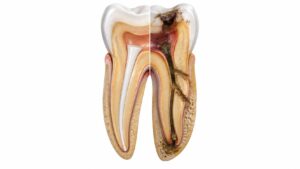
A root canal is designed to save a tooth, not remove it. Inside every tooth is a soft area called the pulp, which contains nerves and blood vessels. Deep decay, a crack, or trauma can inflame or infect that tissue. When the pulp can't recover, bacteria and inflammatory material can move through the root canals toward the surrounding ligament and bone.
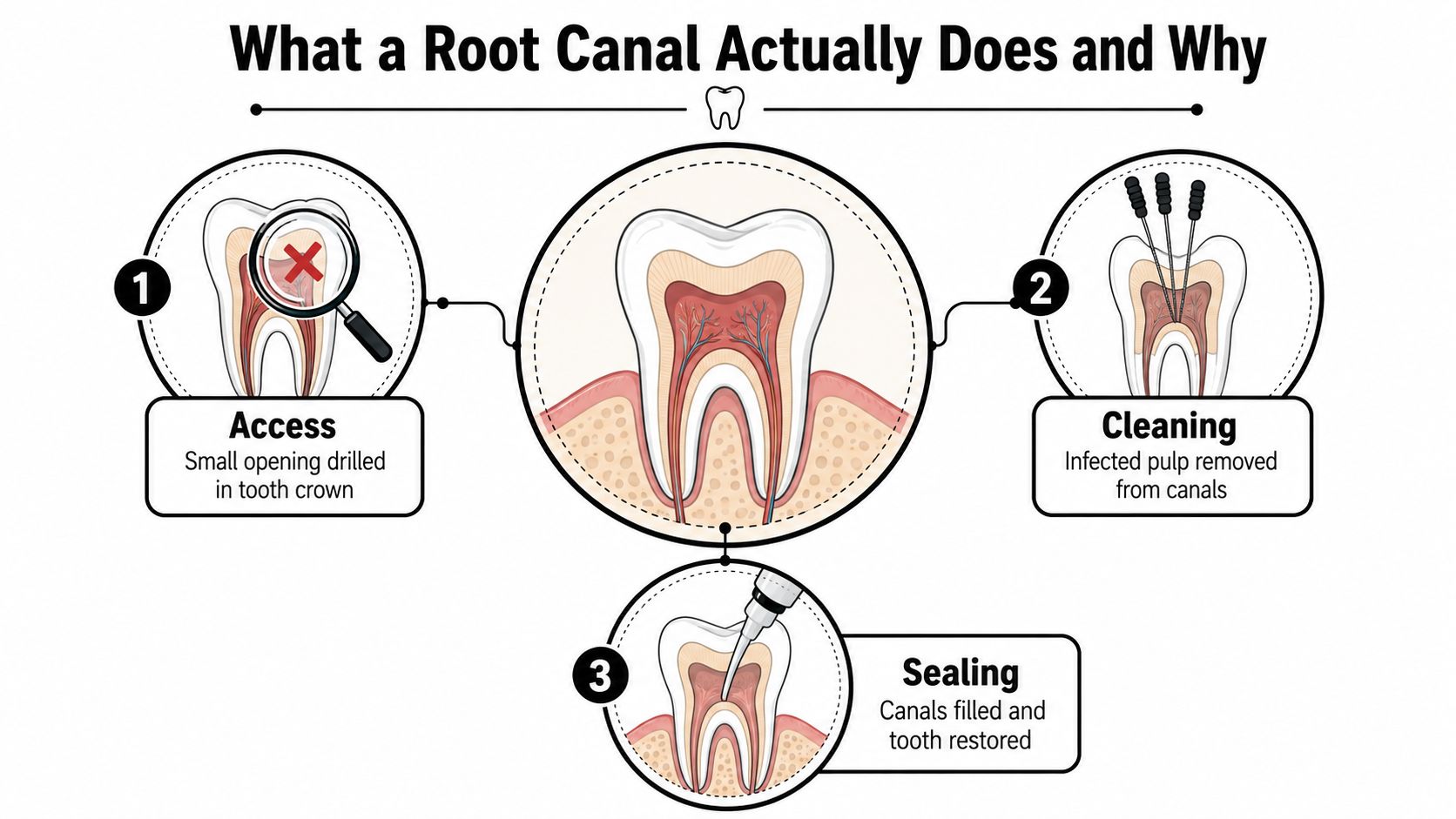
During treatment, the dentist creates a small access opening through the crown of the tooth. The infected or inflamed pulp is removed from the interior canals, and the canals are cleaned, shaped, and disinfected. Endodontic treatment commonly uses irrigants such as sodium hypochlorite or EDTA to help clean areas that instruments can't reach directly. The canals are then filled with gutta-percha and closed with a temporary or permanent filling.
Why the tooth can remain in place
The outer structure of the tooth remains after the inner infection source has been removed. A dental dam helps keep the working area dry and isolated. For complex cases, an endodontist may use an operating microscope and rotary files to improve visibility and control while locating and shaping the canals.
The biological logic is straightforward. Removing diseased pulp eliminates the primary source of infection and irritation, but the tissues outside the tooth still need time to settle. The periodontal ligament, the thin tissue that helps hold the tooth in its socket, may be tender after treatment. If an infection affected the bone near the root tip, that bone has to remodel gradually after the canals are disinfected and sealed.
Practical rule: Short-term soreness reflects the treatment and the irritated supporting tissues. Long-term healing reflects the body's repair of the area around the root.
During the first 24 to 72 hours, a patient may notice tenderness when biting, a dull ache, or mild jaw fatigue from keeping the mouth open. Those symptoms usually fit the early recovery pattern when they begin to ease rather than worsen. The distinction between symptom relief and tissue repair provides the foundation for every later timeline.
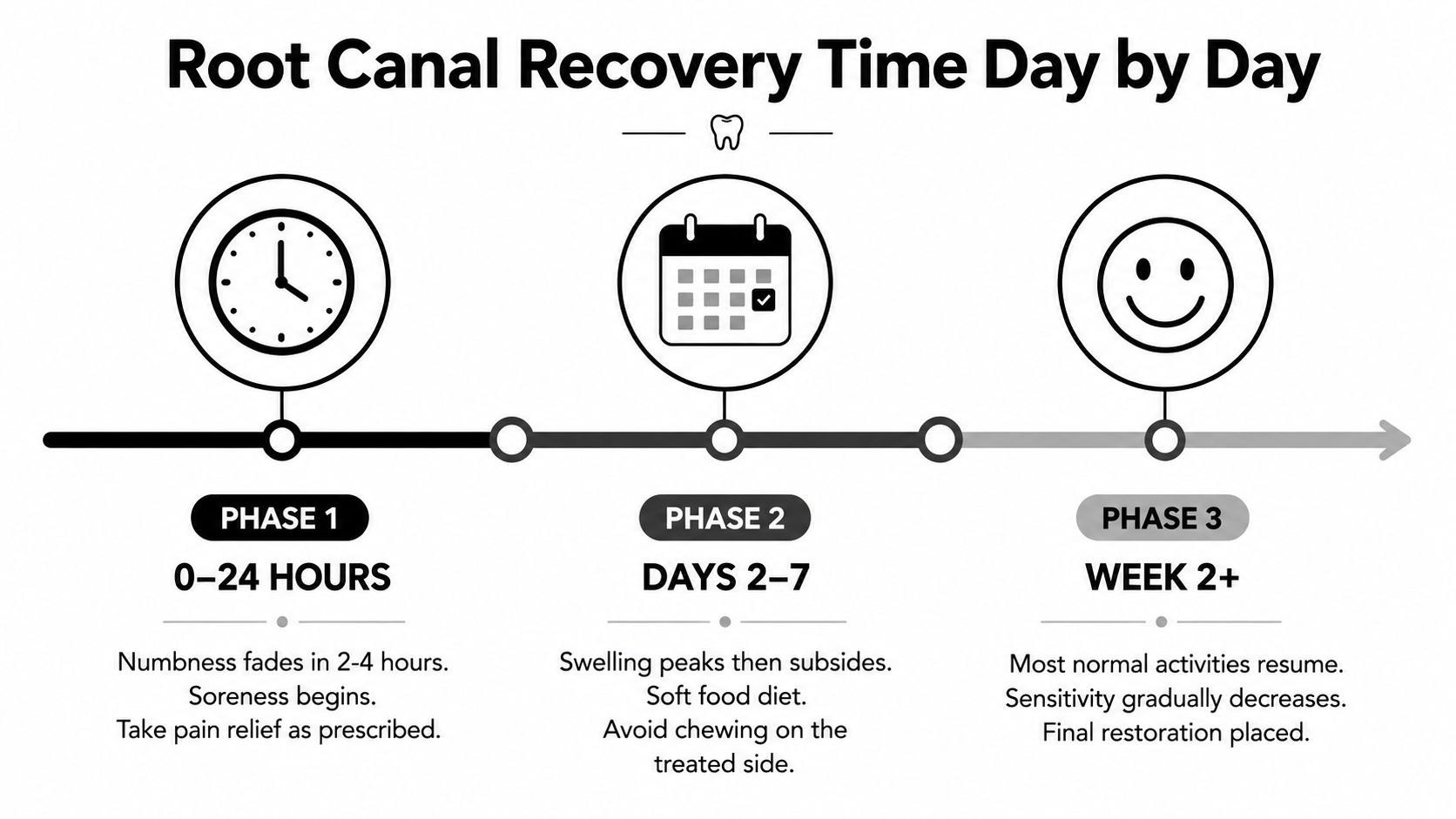
Root Canal Recovery Time Day by Day
The first day usually feels more inconvenient than alarming. Numbness gradually wears off, soreness becomes easier to notice, and the treated tooth may feel taller or different when the patient closes the teeth together. A soft meal, careful chewing on the opposite side, and the dentist's recommended pain-relief plan can make that transition easier.
A systematic review reported that pain after root canal treatment is most common during the first 24 to 48 hours, with pain prevalence falling from 40% at 24 hours to 11% by day 7 in the reviewed evidence (systematic review of post-treatment pain). That pattern supports a simple expectation: early tenderness can be normal, but a steady increase after the initial period deserves attention.
Hours 0 to 24
As anesthesia fades, the patient may feel mild throbbing or tenderness around the tooth. The jaw can feel tired, particularly after a longer appointment. Swelling is often absent or minimal, but the treated area may be sensitive to pressure.
The patient should avoid chewing hard or sticky foods on the treated tooth, especially if a temporary filling is present. A bite that feels noticeably uneven isn't something to “wait out, because a high temporary filling can keep placing pressure on the periodontal ligament.
Days 1 to 3
Tenderness when biting often feels most noticeable during this period. The jaw may remain stiff, but ordinary activity is usually possible if discomfort is controlled. Pain that's gradually improving fits the expected curve, while expanding swelling, fever, or escalating throbbing changes the situation.
A patient can generally return to routine responsibilities as comfort allows. Rest, hydration, gentle oral hygiene, and following the prescribed medication plan support a smoother first few days.
Days 4 to 7
Many patients notice a clear improvement between days 3 and 5, with only mild sensitivity by day 7 (patient recovery overview). Eating and working often become easier, although hard chewing directly on the treated tooth may still be uncomfortable.
By the second week, residual tenderness usually continues to fade. A tooth can feel subtly different for a short time even when the nerve tissue inside has been removed. That sensation alone doesn't establish whether the surrounding bone has healed.
Months after symptoms settle
Bone healing follows a separate clock. A major review found that 71.9% of lesions linked to first-time nonsurgical root canal treatment healed completely within 1 year, while 19.4% healed between 1 and 2 years, and 4.9% took 3 years or more (long-term endodontic outcomes review). The same review reported an overall apical healing rate of 83% after first-time treatment and 80% after retreatment.
That's why follow-up imaging can matter even when a patient feels completely comfortable. Pain relief may arrive within days, while radiographic evidence of bone repair continues over many months.
What Changes the Length of Recovery
Not every root canal follows the same path. Tooth anatomy, the condition of the tissues before treatment, the type of procedure, and the patient's general health can all shift the experience. The ranges below are practical guides, not promises, and several factors can occur together.
| Variable | Typical Recovery Shift | Notes |
|---|---|---|
| Tooth location | Molars may add several days of tenderness | Molars often contain more canals and roots, making treatment more involved than treatment on a front tooth. |
| Infection or abscess | Soreness may last several additional days | Pre-treatment swelling or inflammation can leave the supporting tissues more reactive after the canals are cleaned. |
| Retreatment | Healing may take longer | A previously treated tooth can have altered anatomy, additional restorative work, or persistent inflammation. |
| General health | Bone repair may be slower | Diabetes, smoking, immune conditions, and bisphosphonate use can affect tissue and bone remodeling. |
| Age | Recovery can vary | Younger and older patients may show different rates of dental tissue and bone turnover. |
| Visit format | Little difference in ordinary recovery | Single-visit and two-visit treatment can have similar recovery patterns when the case is appropriately managed. |
| Pre-treatment swelling | More post-treatment swelling is possible | Swelling before treatment indicates that the surrounding tissues are already under stress. |
These variables stack rather than cancel out. A molar with a significant infection in a patient who smokes may feel tender longer than a straightforward front-tooth treatment. A retreatment case with complex anatomy may also need closer monitoring than a first-time procedure.
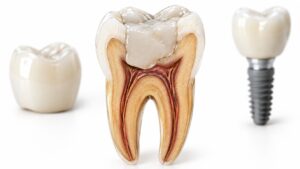
The choice between saving a tooth and removing it also deserves a careful discussion. Patients comparing root canal treatment and tooth extraction should consider restorability, remaining tooth structure, bone support, future dental implants, and the time required for each plan. A tooth extraction may end the immediate tooth pain, but replacing the missing tooth can involve separate restorative stages.
Aftercare and Pain Relief Tips That Work
The first two weeks respond best to practical protection, not passive waiting. The treated tooth needs time to settle, and the temporary filling needs protection until the final restoration is placed. The dentist's instructions should take priority, particularly when medical conditions or prescription medications affect which pain relievers are appropriate.
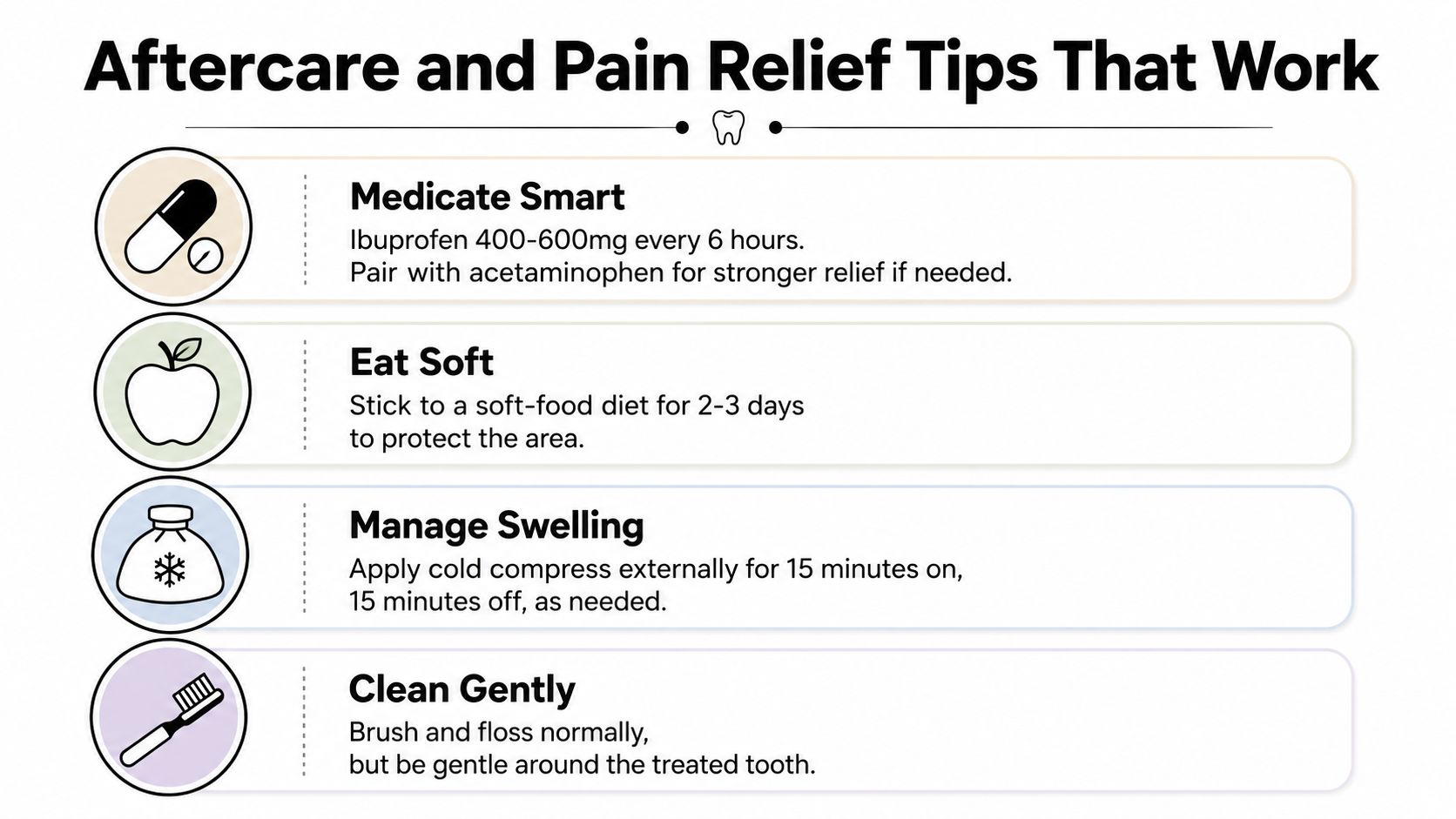
For many adults, dentists may recommend ibuprofen at a dose such as 400 to 600 mg every 6 hours, or another plan based on the patient's health history. Some patients may be advised to pair ibuprofen with acetaminophen for stronger relief. Anyone with stomach, kidney, liver, bleeding, allergy, pregnancy, or medication concerns should confirm a safe plan with the dental or medical team rather than self-adjusting doses.
Food and pressure
Soft foods protect the tooth while chewing remains tender. Foods such as yogurt, eggs, pasta, oatmeal, and soup can reduce pressure during the first 2 to 3 days. Chewing on the opposite side is especially important when the tooth has only a temporary filling.
A high bite deserves a phone call. If the treated tooth contacts first or feels as though it's taking excessive force, the dentist can evaluate and adjust the temporary restoration.
Swelling and comfort
An external ice pack can be used for 15 minutes on and 15 minutes off when swelling is present. Keeping the head raised during sleep may reduce the sensation of throbbing for some patients. After the first 24 hours, gentle warm salt-water rinses may soothe the surrounding gums, but vigorous swishing can irritate the area.
Cleaning and medication
Brushing and flossing should continue, with care around the temporary filling. Avoid placing sharp objects against the restoration or aggressively scrubbing the gumline. Smoking can slow tissue healing, so refraining from smoking supports recovery.
If antibiotics are prescribed, the patient should take them exactly as directed and complete the prescribed course unless the prescribing clinician changes the plan. Antibiotics don't replace canal disinfection, and pain improvement alone doesn't prove that the infection has fully resolved.
Active recovery matters: protecting the tooth, taking medication correctly, and attending the restoration visit all contribute to the outcome.
Unproven remedies shouldn't replace an evaluation when pain is worsening. Clove oil, aspirin placed directly on the gum, or other harsh substances can irritate oral tissues and don't correct a high bite, a missed canal, or persistent infection.
When to Call Your Dentist in Miami
Normal tenderness usually becomes easier to manage as the first several days pass. A patient should contact the dental office when the pattern reverses, when a new symptom appears, or when the tooth can't function comfortably.
Warning signs include:
- Severe or worsening pain: Pain that remains intense beyond the early recovery period or begins increasing after improvement needs an assessment.
- Expanding swelling: Swelling in the cheek, jaw, or floor of the mouth can require urgent attention.
- Fever: A fever above 101°F should be reported promptly.
- Persistent infection signs: Pus, a bad taste, or drainage can indicate that infection remains active.
- Restoration problems: A loose or lost temporary filling leaves the tooth vulnerable and should be addressed.
- Bite-height concerns: A tooth that hits first or feels uneven may need a simple adjustment.
- Medication reactions: Rash, hives, or difficulty breathing requires immediate medical attention.
A patient guide to after-root-canal warning signs also identifies fever, swelling, worsening pain, and bad taste as reasons to contact a dentist urgently. Symptoms that persist beyond about 10 to 14 days are not typical of an uncomplicated recovery, and the dental team should reassess the tooth rather than extend home care.
A missed canal, persistent apical inflammation, an untreated crack, or an unstable restoration can all change the plan. Retreatment or referral to an endodontist may be appropriate in selected cases.
Patients calling Ultra Smile DentalSpa can describe the pain level, the day treatment occurred, swelling, fever, medication use, and whether the bite feels uneven. The team can determine whether the concern needs prompt evaluation, an adjustment, or emergency guidance.
The Final Restoration and Long Term Healing
Feeling normal doesn't mean the tooth is ready to handle every chewing force. After the canals are treated, the remaining tooth structure may need a permanent crown or onlay to reduce the risk of fracture. The dentist determines the timing based on the tooth's strength, the amount of structure remaining, the type of restoration, and whether infection was present.
At the restoration appointment, the dentist evaluates the temporary filling, checks the bite, and prepares or seats the crown or onlay. A patient may notice mild pressure or sensitivity around the gum for a short period afterward. If the bite feels high, an adjustment can help the tooth settle more comfortably.
Patients researching a root canal crown and cap can ask how the restoration protects the treated tooth, which material is appropriate, and how follow-up will be handled. A crown can restore function, but it doesn't eliminate the need for routine examinations, cleaning and exams, or dental x-rays.
Two timelines exist at once
The short timeline concerns what the patient feels. The long timeline concerns what the tissues are doing around the root.
| Timeframe | What the Patient Feels | What Is Actually Healing |
|---|---|---|
| First 24 to 48 hours | Tenderness, pressure sensitivity, or jaw fatigue | The periodontal ligament and nearby tissues respond to instrumentation and inflammation. |
| Days 3 to 7 | Symptoms often ease, with improved function | Early tissue recovery continues around the treated tooth. |
| Weeks 2 and beyond | The tooth may feel increasingly ordinary | The sealed canal remains protected while surrounding tissues remodel. |
| Months 1 to 12 | Often little or no noticeable sensation | Bone repair around a previous periapical lesion can continue. |
| Months 12 to 24 | Comfort alone may not reveal the final result | Follow-up imaging can show whether periapical healing is progressing or complete. |
A long-term review reported that complete resolution of a periapical radiolucency may take several years in ideal circumstances, while a British Dental Journal report described healing initiated in 89% of cases after 1 year and complete healing diagnosed in 51% after 1 year (British Dental Journal healing report). A separate study reported an average healing time of 11.78 months after nonsurgical treatment, while a CBCT-based study reported a mean healing time of 19 months, with 76% of lesions completely healed and 60% of those fully healed between 12 and 18 months (periapical lesion healing study).
That evidence explains why follow-up imaging at appropriate intervals can be more informative than comfort alone. It also explains why a comfortable tooth isn't automatically a failed tooth, and why a patient with ongoing symptoms shouldn't assume that more time will solve the problem without an examination.
Planning Your Visit to Ultra Smile DentalSpa
A visit is easier to manage when the office has the right information before you arrive. When calling Ultra Smile DentalSpa about root canal care in Miami, describe which tooth hurts, when symptoms began, whether swelling is present, and whether the tooth has been treated before. Share allergies, medical conditions, current medications, and blood thinners as well.
The office can help determine whether you need a same-day evaluation, local anesthesia, digital imaging, or an endodontic consultation. Complex root anatomy, retreatment, or severe infection may change the appointment plan. Dental x-rays show the roots and surrounding bone, while a new-patient examination helps place the immediate problem within your broader dental needs.
Before treatment
Unless your dentist gives different instructions, eating normally before a routine appointment may make the visit and the hours afterward more comfortable. Sedation requires separate preparation, including arranging transportation and following the practice's instructions. Plan enough time for numbness to fade before eating a full meal, returning to work, or handling an important activity.
Bring your insurance details, a current medication list, and records of previous dental work if available. These details help the team explain the treatment sequence, the timing of the permanent restoration, expected fees, insurance participation, and follow-up arrangements. If you do not have coverage, ask about payment or treatment-planning options before treatment begins.
Write down your questions before the appointment. Anxiety can make a simple question disappear once you are in the chair.
Questions to ask
A written plan should clarify the parts of treatment that affect the next two weeks and the months that follow:
- Restoration timing: When should the permanent crown, onlay, or filling be placed?
- Pain instructions: Which medication is appropriate, how should it be taken, and which health conditions affect that choice?
- Contact method: Whom should you call if swelling, bite pressure, or pain changes?
- Follow-up imaging: When will the dentist reassess the tooth and the bone around its root?
- Scheduling conflicts: Could travel, a beach activity, or an important event make an earlier appointment more practical?
These questions also help separate two timelines. Reduced pain and normal chewing usually describe short-term symptom recovery. Bone healing around the root can continue for 12 to 24 months, even when the tooth feels ordinary. Follow-up imaging, rather than comfort alone, may be needed to assess that biological process.
If the tooth cannot be restored, ask how extraction and later replacement would change the sequence. If it can be predictably saved, the dentist should explain why root canal treatment remains a reasonable option. A final crown may also require a discussion of shade, shape, bite, and how it will fit with the surrounding teeth.
Ultra Smile DentalSpa can evaluate the tooth, discuss restorative planning, and arrange follow-up care. The practice's Miami locations give patients a place to review urgent symptoms, treatment choices, and the condition of the surrounding smile without combining those decisions with unrelated cosmetic services.
To request an evaluation, bring your questions and treatment records, then visit Ultra Smile DentalSpa. The appointment can establish whether the tooth needs immediate care, what restoration is appropriate, and when the office should review both symptoms and longer-term healing.