Why would a patient need deep teeth cleaning if the teeth already look clean? The answer depends less on visible staining and more on what's happening beneath the gums.
For adults searching for a dentist near me in Miami, FL, bleeding gums, persistent bad breath, or an unexpected treatment recommendation can raise understandable concerns. Ultra Smile DentalSpa's Miami team emphasizes comfort and transparent treatment planning. A useful starting point is knowing which measurements support treatment, what the procedure can accomplish, and what should appear in a written estimate.
Table of Contents
- What Deep Teeth Cleaning Is and How It Differs From a Routine Cleaning
- Gum Pocket Readings That Show When Deep Cleaning Is Needed
- How Deep Teeth Cleaning Is Done Step by Step
- Pain Control, Numbness and Anxiety Options
- Benefits, Risks and Realistic Results
- Deep Teeth Cleaning Cost and Insurance Coverage
- Caring for Your Gums After Deep Cleaning
- Book Your Deep Cleaning Evaluation in Miami
What Deep Teeth Cleaning Is and How It Differs From a Routine Cleaning
What separates a deep teeth cleaning from the routine cleaning you schedule for prevention? Deep teeth cleaning is the common name for scaling and root planing, or SRP. It is a nonsurgical treatment for periodontitis, a gum disease that damages the tissues and bone supporting the teeth.
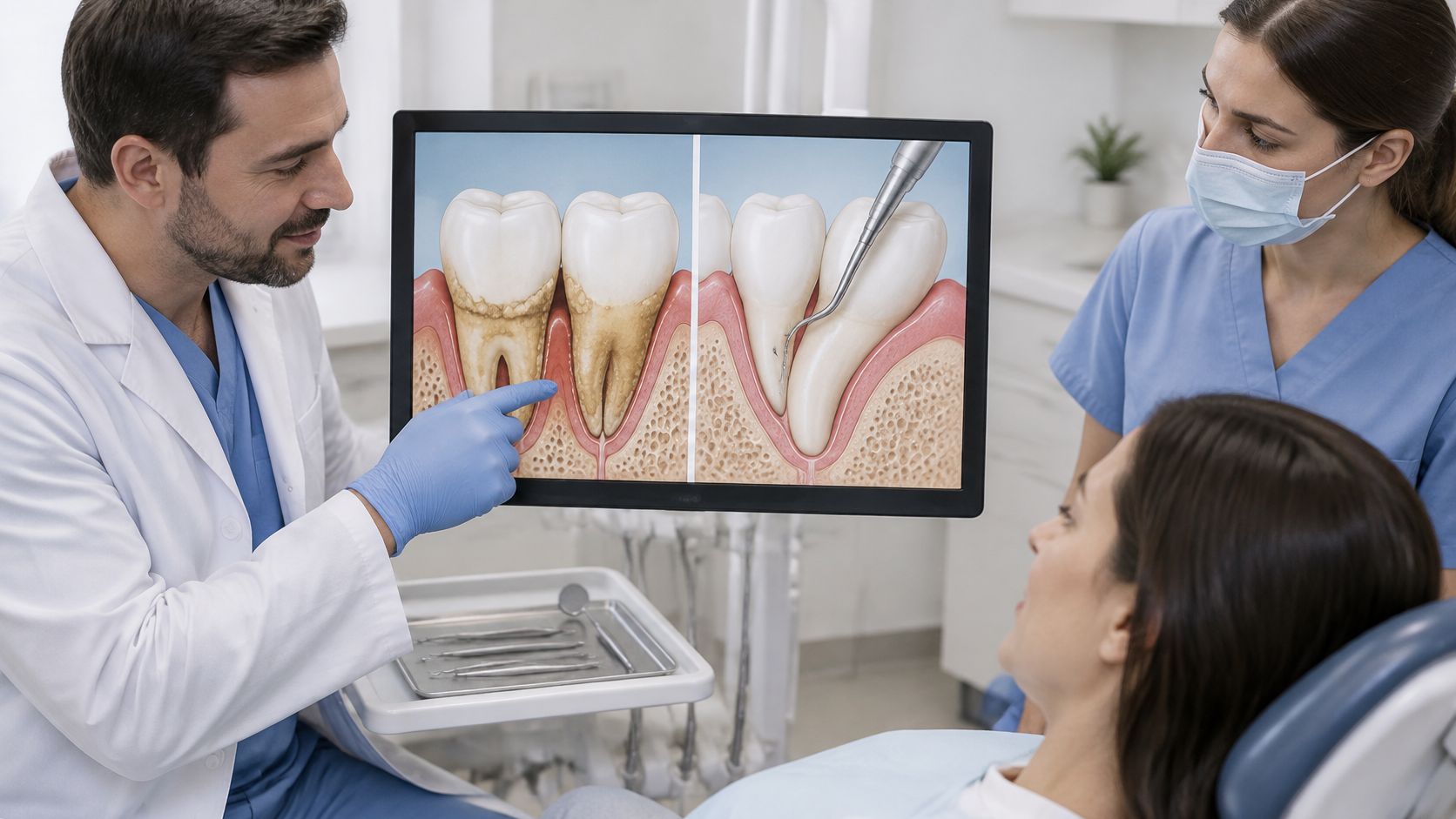
Scaling removes plaque and hardened tartar above and below the gumline. Root planing smooths affected root surfaces so bacteria have fewer places to collect and gum tissue can settle against a cleaner surface. At the chair, the distinction can sound like semantics. The difference is reach and purpose.
The Difference Is Purpose, Not Just Tartar
During dental cleaning, Ultra Smile DentalSpa's hygienists remove tartar, which is hardened plaque that regular brushing and flossing cannot remove. Both routine and deep cleanings remove deposits, but they address different clinical needs. A routine cleaning handles the tooth surfaces you can see and the shallow edge of the gumline. SRP goes after deposits on root surfaces inside pockets that have become diseased.
| Treatment | Main purpose | Area treated |
|---|---|---|
| Routine cleaning | Prevent disease and control ordinary buildup | Visible tooth surfaces and accessible areas around the gumline |
| Scaling and root planing | Manage diagnosed periodontitis | Disease-affected root surfaces inside gum pockets |
A routine cleaning can reach slightly beneath the gum edge, but it isn't designed to treat deposits throughout deep, diseased pockets. Periodontitis is common: in 2024, an estimated 47% of U.S. adults older than 30 had periodontal disease, according to the National Institute of Dental and Craniofacial Research.
During a Miami dental exam, bring up any of these findings:
- Bleeding: Gums bleed during brushing or cleaning between teeth.
- Persistent odor: Bad breath returns despite daily care.
- Recession: Gums pull away and expose more tooth surface.
- Instability: Teeth feel loose or shift.
- Deep pockets: A hygienist records areas that need further assessment.
A periodontal chart helps distinguish symptoms from a diagnosis. Ask to see your pocket depths, bleeding marks, and any bone loss on X-rays before you agree to SRP. The chart should justify the recommendation, not just the label on the treatment plan. For appointment-access questions outside office hours, a guide to round-the-clock dental patient support covers digital scheduling and messaging options; no automated answer can determine whether SRP is needed.
Gum Pocket Readings That Show When Deep Cleaning Is Needed
A dentist or hygienist gently slides a thin periodontal probe between the tooth and gum. The measurement records the depth of that space in millimeters, not the amount of bone already lost.
The chart should also document bleeding, recession, and tooth mobility. Dental X-rays show supporting bone that isn't visible during a surface examination.
Reading the Chart Without Self-Diagnosing
The American Dental Association's scaling and root planing guidance identifies active periodontal disease with probing depths of 4 to 6 millimeters or more, together with radiographic bone loss, as an indication for treatment; recurrent or refractory disease and periodontal abscess are also listed indications.
Gum pocket depth readings and what they mean
| Pocket depth | What it can indicate | Usual next step |
|---|---|---|
| 1–3 mm | Healthy gum attachment with no deep pocket | Routine cleaning and daily home care |
| 4–5 mm | Possible early periodontitis, especially with bleeding | Full periodontal exam and X-rays |
| 6 mm or deeper | Likely active periodontitis, often with bone loss on X-rays | Scaling and root planing, then reassessment |
These bands are orientation points, not automatic treatment rules. Swollen gums can produce deeper readings without the attachment loss associated with periodontitis, while recession can conceal substantial past damage behind a shallower pocket measurement.
A single deep reading doesn't establish the whole diagnosis. The clinician checks the pattern across teeth, bleeding, attachment loss, and imaging, although an isolated diseased site can still require treatment. Understanding the difference between gingivitis and periodontal disease helps explain why bleeding alone doesn't always justify SRP.
Chart check: A recommendation should identify the affected teeth and sites, not simply label the entire mouth as needing a deeper cleaning.
Patients can ask:
- Chart access: Can the periodontal chart be reviewed?
- Affected sites: Which sites are deepest, and where is attachment or bone loss documented?
- Bleeding records: Is bleeding recorded at those same sites?
How Deep Teeth Cleaning Is Done Step by Step
Treatment should follow the map of disease rather than a standard package. Before instruments reach the roots, the clinician should explain which areas need care and how comfort will be managed.
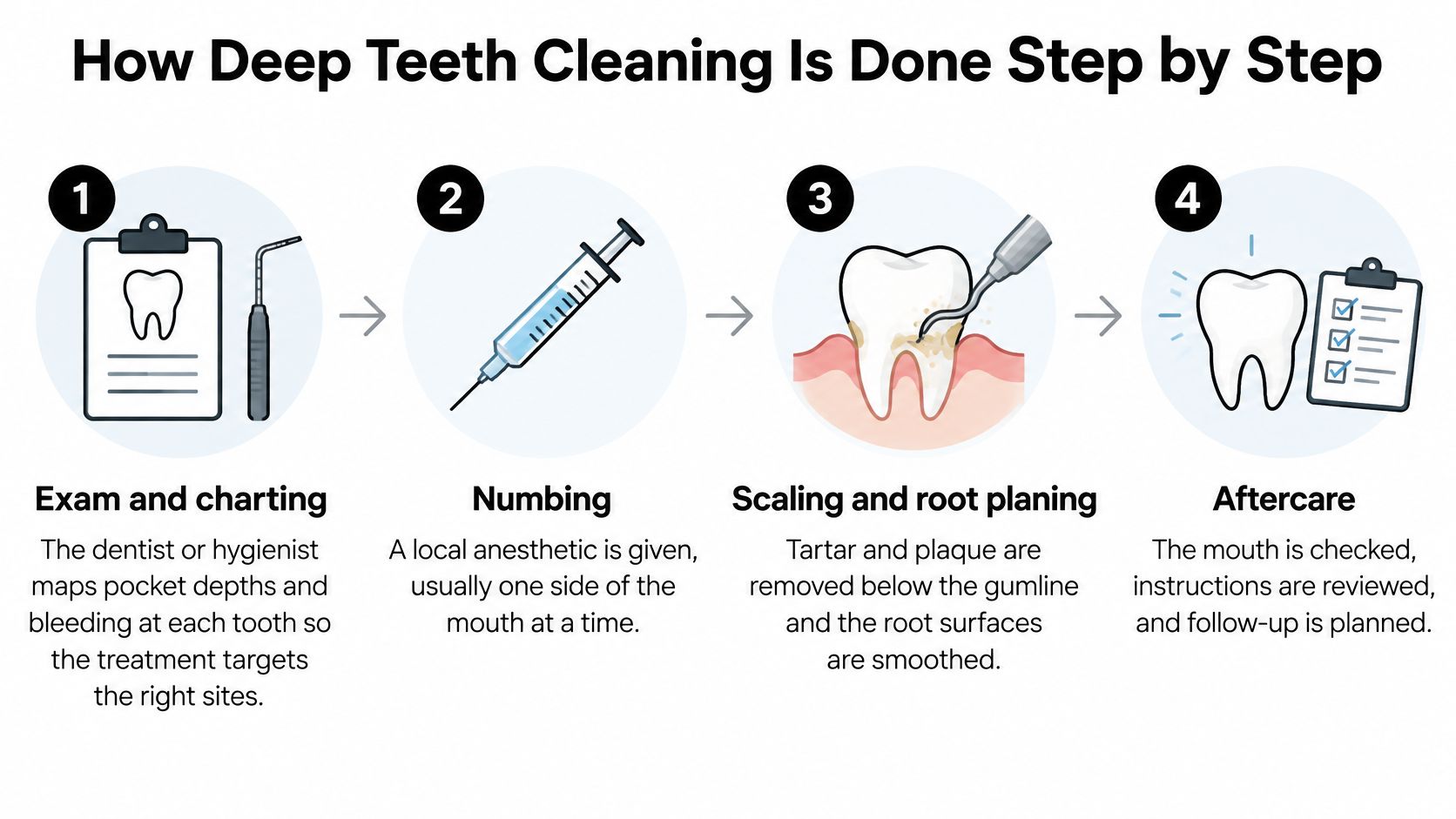
The main stages are shown below.
From Examination to Root-Surface Treatment
Examination and charting establish the treatment sites. The dentist or hygienist maps pocket depths and bleeding, then compares those findings with recession, attachment levels, and X-rays. This prevents treatment from being based only on visible tartar or an overdue cleaning.
Local anesthetic numbs the treatment area. The clinician usually works on a selected part of the mouth rather than numbing every area together. Before proceeding, the team checks whether the tissue is sufficiently numb.
Scaling removes the deposits. Hand instruments and an ultrasonic scaler may be used above and below the gumline. The ultrasonic instrument combines vibration with water, while fine hand instruments help reach deposits along individual root contours.
Root planing cleans and smooths affected surfaces. The clinician works carefully along the roots where disease-related deposits and irregularities interfere with healing. The goal isn't aggressive removal of healthy tooth structure; it's a root surface that supports better tissue adaptation.
Additional Measures and Follow-Up
Antimicrobial treatment is selected rather than automatic. A rinse or medication placed beneath the gums may be appropriate for particular sites. The American Dental Association's scaling and root planing overview describes sub-antimicrobial-dose doxycycline as an adjunct consideration for selected moderate-to-severe cases, not a replacement for mechanical cleaning.
Appointments may be divided by mouth area. Moderate-to-severe cases are often treated over two or more visits, with selected quadrants treated at each appointment. Dividing the work can make the time in the chair and the extent of numbness easier to manage.
Reassessment checks the response after healing. A follow-up is often planned about four to six weeks later, with the exact timing set by the clinician. The team measures the pockets again and decides whether persistent sites need further instrumentation, specialist evaluation, or another periodontal approach.
A treatment video can help patients recognize the instruments and understand the sequence before the appointment.
Success is assessed through clinical findings, not just a freshly polished feeling. Shallower pockets, less bleeding on the updated chart, and a workable maintenance plan provide meaningful follow-up targets at the Miami, FL visit.
Pain Control, Numbness and Anxiety Options
Fear of pain can keep people away from gum care until symptoms become difficult to ignore. A comfort plan should therefore be discussed before treatment starts, not after a patient becomes overwhelmed.
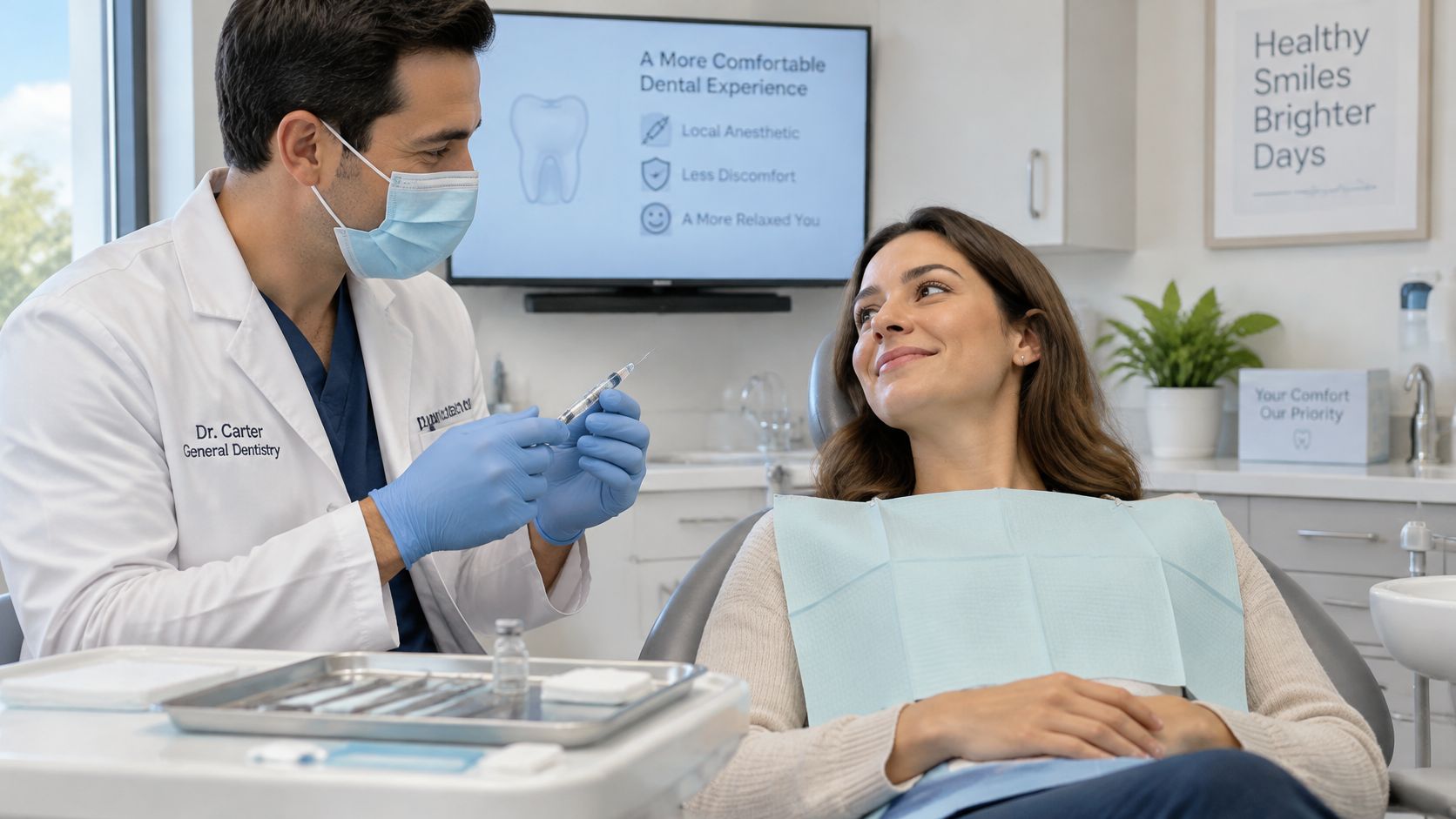
With effective local anesthesia, pressure, vibration, water spray, and instrument movement are more typical than sharp pain. Sharp discomfort is a reason to pause and reassess the anesthesia, not something a patient should be expected to tolerate.
The consultation is an opportunity to discuss injections, previous difficult experiences, and preferred explanations.
Comfort Involves More Than Sedation
Usually, only the area being treated needs numbing. Numbness can remain for a few hours, depending on the anesthetic and treatment location.
Options for discussion include:
- Topical anesthetic: Gel can reduce surface sensation before an injection.
- An agreed stop signal: Raising a hand tells the clinician to pause safely.
- Shorter appointments: Smaller treatment areas can make care more manageable.
- Music or video: Distraction can reduce attention to instrument sounds.
- Reassuring conversation: Clear explanations reduce uncertainty.
- Sedation assessment: Higher anxiety may justify discussing medication-based options, suitability, and additional precautions.
In an observational study published through PubMed Central, local anesthesia was preferred by 93.94% of participants, reassuring conversation by 76.19%, and distraction by 66.23%. Participants with lower anxiety tended to prefer communication and distraction, while those with greater anxiety more often considered pharmacological options.
These preferences don't establish the best choice for every patient. They show why a useful conversation considers both physical comfort and a person's sense of control.
A Plan for Pauses and Difficult Moments
The procedure can usually be paused after the clinician safely removes the instruments. If anxiety prevents completion, the team can reassess the approach and divide remaining care into smaller visits rather than press ahead.
Ultra Smile DentalSpa's calming environment includes aromatherapy and streaming entertainment, alongside personalized care. Its guidance on how to calm dental anxiety can help patients prepare for that conversation.
A history of panic, difficult injections, or trouble tolerating dental treatment should be shared at the consultation. Sedation isn't automatically necessary, and reassurance should never become a promise of a completely sensation-free experience.
Benefits, Risks and Realistic Results
Deep cleaning can reduce bleeding, improve pocket depths, and remove bacterial deposits near the roots. When inflammation settles, many patients find daily cleaning more comfortable and effective.
These benefits must be measured rather than assumed. A cleaner feeling doesn't prove that all active disease has resolved.
Improvement Has to Be Interpreted in Context
In a 2024 randomized clinical trial, the scaling-and-root-planing group included 41 patients treated every six months; after one year, bleeding-on-probing prevalence declined from 14.7% to 7.9%, according to the Journal of Periodontology. That result describes the trial group, not a guaranteed outcome for an individual patient.
A separate 2024 clinical study indexed in PubMed evaluated 30 sites among 10 patients and found statistically significant improvement in all measured clinical parameters at 10 and 21 days after treatment. Its small size and short follow-up mean it cannot replace long-term monitoring.
| Potential benefit | Important limit |
|---|---|
| Less bleeding and tenderness | Persistent bleeding still needs assessment |
| Shallower, more accessible pockets | Some sites may remain difficult to maintain |
| Reduced disease-related bad breath | Other causes of odor may need separate care |
| Better conditions for preserving teeth | Existing bone loss isn't automatically restored |
Side Effects and Limits
Temporary cold sensitivity and mild gum soreness can occur for a few days. Teeth may look longer, or spaces may become more noticeable, as swollen gums settle and previously hidden root surfaces become visible.
Treatment manages inflammation and infection risk; it doesn't permanently remove susceptibility to periodontitis. Home care, tobacco exposure, medical factors, and maintenance attendance all influence whether disease remains controlled.
More invasive doesn't mean better. Deep cleaning needs documented disease, not merely staining, bad breath, or a long interval since the last appointment.
If follow-up findings don't show the expected improvement, patients should request reassessment. Persistent pockets may require a different approach rather than repeated treatment without an explanation.
Deep Teeth Cleaning Cost and Insurance Coverage
No single price fits every mouth. A useful estimate connects each charge to a diagnosed area and explains which appointments and supporting services are included.
The main cost drivers are the extent of disease, the number of treated areas, local anesthesia, prescribed medication, and the number of visits. Dental X-rays, reassessment, and later maintenance may appear separately, so a headline treatment price may not describe the full course of care.
What Insurance May Treat Differently
Many dental plans cover scaling and root planing as periodontal therapy when charting and imaging document disease. That doesn't mean the plan pays the same amount as it would for a preventive cleaning.
An insurer may apply a deductible, treatment limitations, or an annual maximum. A pre-treatment estimate can clarify anticipated benefits, but it isn't a guarantee of final payment.
Periodontal maintenance can also be billed differently from routine cleaning. The financial discussion should therefore include care after the initial procedure, not just the first treatment appointment.
Paperwork Worth Reviewing Before Agreement
Patients should request:
- An itemized estimate: Charges should identify each treated area and any separate services.
- Diagnostic support: The diagnosis, chart, and relevant imaging should explain the recommendation.
- Procedure-code clarification: The estimate should distinguish periodontal treatment from preventive cleaning.
- A benefits check: The insurer's deductible, remaining annual maximum, and applicable limitations should be reviewed.
- Payment information: Available arrangements and payment timing should be explained before treatment.
Ultra Smile DentalSpa emphasizes transparent treatment planning and accepts insurance, with options for patients without coverage. Specific benefits and financial arrangements still need confirmation for the individual treatment plan.
Comparing the estimate with the periodontal chart helps patients understand what each line item treats. A clear written estimate in Miami, FL reduces avoidable surprises and makes consent more informed.
Caring for Your Gums After Deep Cleaning
The daily foundation is straightforward: brush twice daily with a soft-bristled brush, clean between teeth every day, eat a balanced diet, avoid tobacco, and attend regular dental visits. The National Institute of Dental and Craniofacial Research's gum-disease guidance emphasizes that professional treatment must be followed by good daily oral-health practices.
Gentle cleaning matters, but avoiding the gumline entirely can allow plaque to accumulate again. A hygienist can demonstrate the angle of the toothbrush and choose floss or appropriately sized interdental brushes for the spaces present.
Recovery and Maintenance Have Different Jobs
The following schedule is a general guide, not a promise that every patient heals at the same pace. Written instructions from the treating clinician should reflect the areas treated and any medication prescribed.
Recovery timeline and maintenance schedule after deep cleaning
| Stage | What to expect | What to do |
|---|---|---|
| First 24 hours | Numbness fades; mild soreness and gum tenderness | Eat soft foods and avoid very hot drinks until feeling returns |
| Days 2 to 7 | Sensitivity to cold and sweets; gums may bleed lightly | Brush gently with a soft brush and use sensitivity toothpaste if needed |
| Weeks 2 to 6 | Gums heal and the dentist reassesses the pockets | Keep brushing twice daily and cleaning between teeth every day |
| Every 3 to 4 months | Periodontal maintenance cleanings | Keep appointments; come in sooner if sites stay active |
Chewing should wait until numbness has resolved sufficiently to avoid biting the cheek or tongue. Speech may feel awkward while tissues are numb, so allowing time before an important call can be helpful.
Maintenance appointments can include updated medical and dental histories, periodontal examinations, deposit removal, preventive care, fluoride, and hygiene instruction. Sites that remain active may need targeted scaling and root planing rather than the same treatment everywhere.
Ultra Smile DentalSpa's regular cleanings help prevent tartar buildup, bone loss, bad breath, and cavities, and the office asks patients when their next cleaning is due. For patients with periodontitis, the clinician sets a maintenance interval based on disease activity and risk.
Warning Signs Need a Call
Heavy bleeding, fever, swelling that increases after the first few days, or pain that isn't controlled by the recommended medication warrants prompt contact with the dental team. Rapidly spreading facial swelling or difficulty swallowing or breathing requires emergency medical attention.
Before leaving: The next periodontal appointment should be on the calendar, and the patient should know whom to contact if recovery doesn't follow the expected course.
Book Your Deep Cleaning Evaluation in Miami
A periodontal evaluation is the appropriate next step when symptoms or chart readings raise concern. Patients seeking a dentist in Miami, FL can request a consultation at Ultra Smile DentalSpa before deciding whether deep cleaning is necessary.
Preparing for the Appointment
Useful information to gather includes:
- Symptoms: Notes about bleeding, persistent odor, recession, or discomfort when chewing.
- Medical history: A medication list, including diabetes treatment, and relevant health conditions.
- Tobacco use: Current smoking or other tobacco habits.
- Dental history: Previous gum treatment, fillings, crowns, and available dental records.
The evaluation should include periodontal charting and appropriate dental X-rays before treatment is scheduled. A written estimate should identify the treated areas and anticipated insurance contribution.
Related care may include tooth extraction when a tooth cannot be saved, dental implants for missing teeth, and cosmetic dentistry such as teeth whitening after gum health is stable. Ultra Smile DentalSpa also has a free consultation request form on its website, and completing it secures a 30% discount on dental treatments. Patients searching for dental implants near me or a cosmetic dentist near me should still begin with an assessment of the supporting gums and bone.
Clear Communication Before a Decision
For patients comparing appointment-contact options, Dial Milo's AI dental receptionist explains automated dental call handling. It isn't a substitute for clinical assessment or a statement about the practice's telephone system.
Patients seeking an emergency dentist in Miami for an abscess or severe pain should describe those symptoms when contacting the practice so urgency can be assessed. A gentle, thorough evaluation allows the team to explain findings, options, and next steps before a treatment decision.
Ultra Smile DentalSpa offers personalized dental care with transparent treatment planning and a focus on comfort. Patients can visit Ultra Smile DentalSpa to request a deep teeth cleaning evaluation in Miami, FL and learn whether periodontal treatment matches their clinical findings.