A tooth extraction can leave even calm patients checking the gauze, wondering whether the bleeding is normal, and worrying about every sip of water. If pain, swelling, or dental anxiety is making recovery feel uncertain, clear post extraction care can make the next several days more comfortable and protect the healing socket. Adults looking for a dentist in Miami, FL, an emergency dentist, or a gentle provider for tooth extraction can receive personalized guidance at Ultra Smile DentalSpa, serving patients near Downtown Miami, Midtown Miami, and Hallandale Beach.
Table of Contents
- Immediate Steps After Tooth Extraction
- Understanding How Your Mouth Heals
- Diet and Oral Hygiene During Recovery
- Recognizing Normal Healing Versus Complications
- The Ultra Smile DentalSpa Recovery Experience
- Your Daily Recovery Checklist and Follow-Up Care
Immediate Steps After Tooth Extraction
The first hours after an extraction often feel unfamiliar. A little pink saliva or mild oozing can be unsettling, but the socket is beginning an important repair process. The immediate priority is to help the blood clot stay in place, because that clot protects the underlying tissue and supports healing.
Control bleeding without disturbing the socket
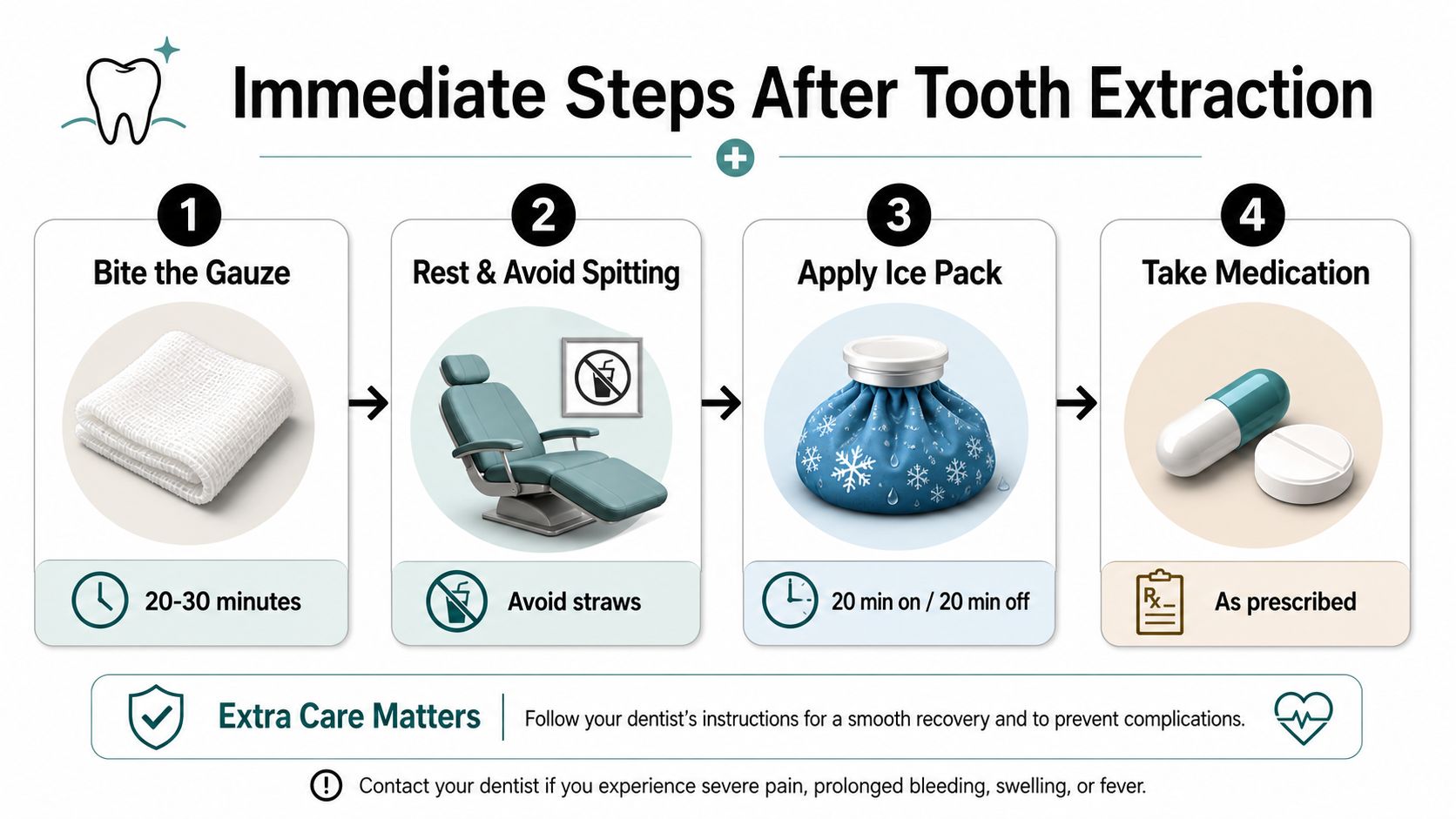
Keep firm pressure on the gauze for about 20 to 60 minutes, following the dental team's directions. If the gauze becomes saturated, replacement may be needed, but constant checking, chewing the gauze, or repeatedly removing it can interfere with clot formation. The post-extraction instructions from Dartmouth Health describe this pressure-and-rest sequence as a standard part of protecting the socket.
Avoid rinsing, forceful spitting, or touching the area with a finger or tongue during the first 24 hours. Suction from straws can also disturb the clot. Keep the head raised while resting, and choose cold drinks rather than hot beverages during the early recovery period.
Reduce swelling with gentle care
A cold pack against the cheek can help make early swelling more manageable. The pack should be wrapped in cloth rather than placed directly on the skin, and it should be used in brief cycles with rest between applications. Resting matters because strenuous activity can increase bleeding or throbbing around the socket.
Medication should be taken only as prescribed or recommended for the patient's medical situation. Patients who take blood thinners, have asthma or stomach disease, or can't safely use common anti-inflammatory medicines should contact the dental practice before choosing a pain reliever. The guidance on reducing swelling after oral surgery can provide additional preparation for patients recovering at home.
Practical rule: The first day is less about cleaning the socket and more about leaving the clot undisturbed.
Understanding How Your Mouth Heals
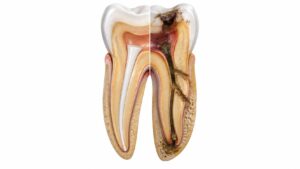
The extraction socket doesn't heal like a shallow scrape on the skin. Once the tooth is removed, the body forms a blood clot inside the space. That clot covers sensitive tissue, helps limit bleeding, and creates a foundation for new tissue to develop.
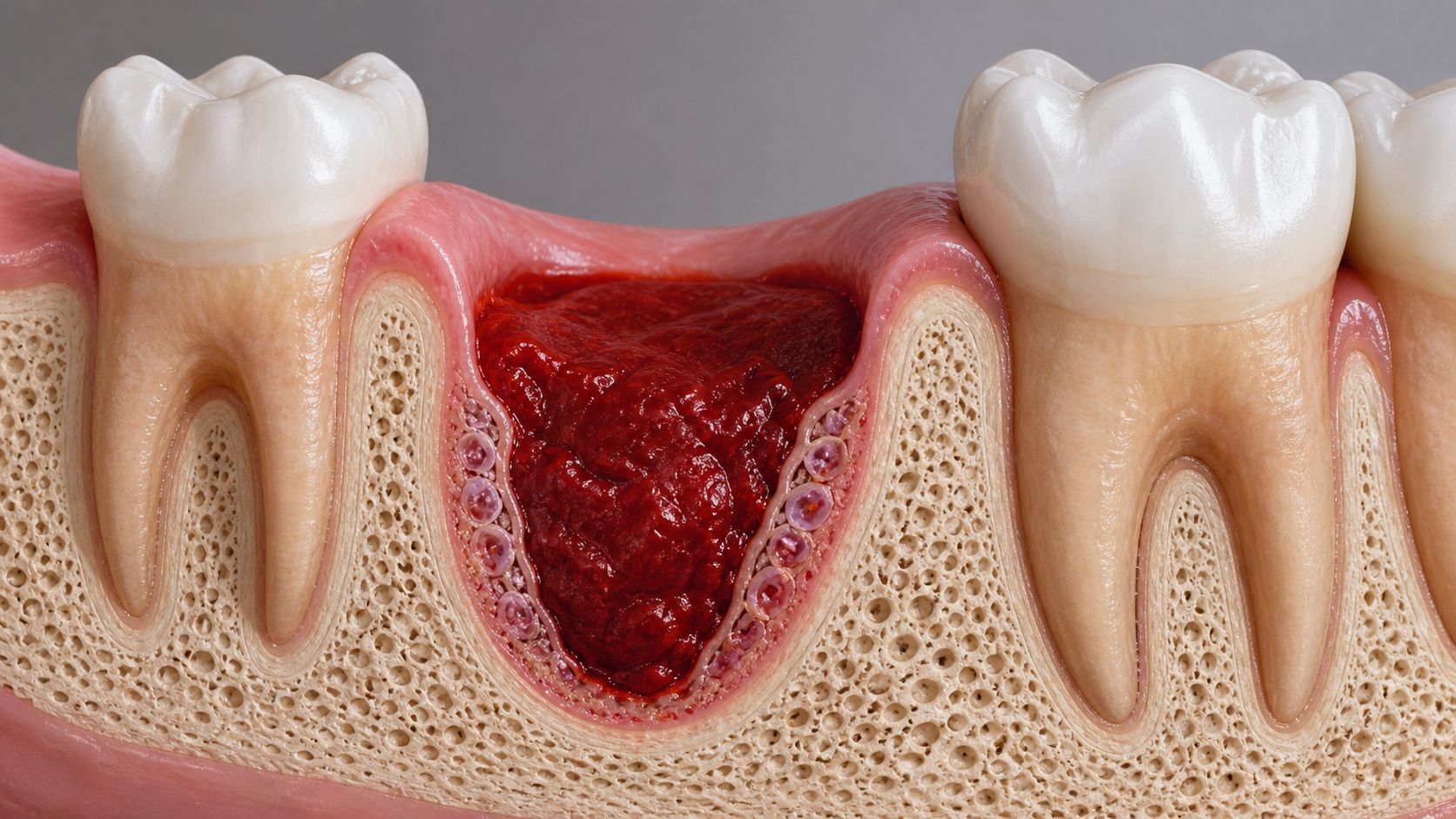
Why the clot matters
Rinsing too aggressively, spitting, smoking, vaping, or using a straw can create pressure that pulls at the clot. Chewing directly over the socket can also irritate the area. These actions may expose sensitive tissue and delay recovery, which is why early post extraction care focuses on protection rather than vigorous cleaning.
During the first day, mild soreness, slight oozing, and swelling can occur. Over the following days, the surrounding gum begins repairing itself, while discomfort should generally become easier to manage rather than progressively worse. Careful hygiene and appropriate food choices support this process without physically disturbing the healing site.
A useful way to understand the recovery is to separate comfort symptoms from direction of change. Tenderness that gradually settles is different from pain that intensifies after seeming to improve. A patient considering future dental implants near me may also benefit from understanding that extraction healing is assessed before an implant plan is finalized. Ultra Smile DentalSpa provides information about the dental implant healing timeline for patients planning restorative care.
The socket's appearance can change during healing, and patients shouldn't probe it to inspect progress. A dental professional can evaluate the area safely if symptoms seem unusual.
Diet and Oral Hygiene During Recovery
Food choices can protect the socket while giving the body enough nourishment to repair tissue. Soft, cool, or lukewarm foods are usually easier to manage immediately after extraction. Yogurt, applesauce, mashed potatoes, scrambled eggs, blended soups served warm rather than hot, and other foods requiring little chewing can reduce pressure on the healing side.
Patients should avoid hard, crunchy, spicy, or very hot foods while the area is tender. Small particles can collect near the socket, and vigorous chewing may cause discomfort. Chewing on the opposite side can help, but the dental provider's specific advice should guide when a normal diet can return.
A gentle cleaning routine
Brushing the other teeth helps maintain a clean mouth, but the toothbrush shouldn't scrub directly over the socket during the first day. After 24 hours, gentle warm salt-water rinsing can begin. The NHS salt-water aftercare guidance gives a recipe of one teaspoon of salt in a cup or glass of warm water, used gently 3 to 4 times per day, often after meals.
The rinse shouldn't be swished forcefully. Instead, the patient can let the solution move around the mouth with minimal pressure and allow it to fall out without forceful spitting. This approach helps clear food residue while reducing the risk of dislodging the clot.
Clean gently, not aggressively. A healing socket needs protection from both trapped debris and excessive pressure.
Smoking and vaping deserve special caution because they can interfere with clot stability and tissue repair. Patients who use tobacco or nicotine products should discuss a personalized plan with the dental team, especially after wisdom tooth extraction or other oral surgery. If medication, nutrition, or hygiene feels difficult because of pain, a call to the practice can prevent a small problem from becoming a larger one.
Recognizing Normal Healing Versus Complications
Most patients experience some combination of tenderness, mild swelling, and sensitivity after tooth removal. These symptoms become more reassuring when they remain manageable and gradually improve. Persistent or worsening symptoms need a different response, particularly when pain becomes stronger instead of settling.
Dry socket, also called alveolar osteitis, is the most recognized extraction complication. Published clinical summaries report an incidence of about 1% to 4% for routine extractions and 5% to 30% for impacted mandibular third molars, while mandibular molars may experience it up to 10 times more often than maxillary molars, as reported in this clinical summary on dry socket risk.
| Symptom | Normal Response | Warning Sign |
|---|---|---|
| Soreness | Discomfort remains manageable and gradually eases | Pain becomes severe, spreads, or worsens after initial improvement |
| Swelling | Mild swelling is present around the treated area | Swelling continues to increase or affects swallowing or breathing |
| Bleeding | Light oozing settles with firm gauze pressure | Bleeding remains persistent despite proper pressure |
| Taste or odor | Temporary blood taste may occur | Foul taste, unpleasant odor, or drainage develops |
| Daily function | Eating soft foods and resting are possible | Medication doesn't control pain or normal activities become difficult |
A dry socket often presents as significant pain because the protective clot has been lost or broken down. Smoking, vigorous rinsing, straw use, and chewing directly on the socket are repeatedly identified as behaviors that can increase risk. The Mayo Clinic explanation of dry socket symptoms and causes also supports contacting a dental professional when pain follows an abnormal pattern.
Most public leaflets emphasize the first day, but symptom monitoring shouldn't stop there. A Cochrane review notes that chlorhexidine rinse or gel probably reduces dry socket, while evidence also indicates symptoms can appear later than some patient guides suggest, as discussed in the Cochrane review of dry socket prevention. Patients should call the practice if pain worsens, swelling becomes concerning, or infection symptoms appear.
The Ultra Smile DentalSpa Recovery Experience
Recovery begins with more than the extraction itself. A nervous patient may arrive expecting a rushed clinical visit, yet a calmer environment, clear explanations, and a planned handoff to home care can make the experience feel more manageable. Ultra Smile DentalSpa, led by Dr. Neda Bahmadi, combines dental treatment with comfort-focused details such as refreshments, custom aromatherapy, streaming entertainment, and a soothing hot towel finish.

Care shaped around the patient
A consultation can address the tooth, the patient's medical history, anxiety level, and the likely complexity of the procedure. Sedation options may be discussed for appropriate patients, while bilingual team members can help Miami's diverse community understand treatment and aftercare clearly.
Patients also receive personalized guidance rather than relying only on a general handout. That matters because broad advice often includes avoiding smoking, delaying rinsing, choosing soft foods, and keeping the mouth clean, yet the evidence is more nuanced and dry-socket symptoms may appear later than many guides imply, according to the Cochrane evidence on dry socket prevention. A patient with a surgical extraction, nicotine use, blood-thinner medication, or limited pain-control options may need more specific communication.
Ultra Smile DentalSpa also provides general, cosmetic, restorative, and surgical services, including wisdom teeth extraction, root canals, crowns, bridges, dental implants, and bone grafts. Patients searching for a cosmetic dentist near me, teeth whitening, Invisalign, or restorative dentistry can discuss future goals after the extraction site has been evaluated.
Your Daily Recovery Checklist and Follow-Up Care
A written routine can make recovery easier to manage, especially when soreness or medication makes the day feel disorganized. The checklist should follow the dental provider's individualized directions, because the needs after a simple extraction may differ from those after wisdom tooth surgery or multiple extractions.
The first day
- Protect the clot: Keep firm gauze pressure as directed, avoid rinsing and spitting, and don't use straws.
- Choose gentle foods: Select soft, cool or lukewarm foods and drink without suction.
- Rest with the head elevated: Limit bending and strenuous activity while the socket begins stabilizing.
- Use prescribed medication correctly: Patients with medical restrictions should confirm the safest pain plan with the dental team.
After the first day
Begin gentle warm salt-water rinses according to the recommended routine, and brush the remaining teeth carefully without scrubbing the socket. Keep choosing foods that don't require forceful chewing until tenderness has settled and the dental provider approves a broader diet.
Activity should return gradually. Heavy exercise, lifting, or other strenuous tasks should wait until the dental team confirms that the healing course is appropriate, particularly after surgical extraction. Persistent bleeding, worsening pain, foul drainage, increasing swelling, or trouble swallowing or breathing warrants prompt contact with the practice.
Follow-up timing depends on the procedure and the patient's healing pattern. A review can confirm that the gum is progressing normally, address concerns, and support later planning for dental implants near me, crowns, or other restorative care. Patients who need urgent assessment for severe pain or bleeding can contact an emergency dentist rather than waiting for symptoms to resolve on their own.
Ultra Smile DentalSpa provides gentle tooth extraction, personalized post extraction care, sedation discussions for appropriate patients, and follow-up support in Miami, including Downtown Miami and Midtown Miami. Patients can visit Ultra Smile DentalSpa to request an appointment or consultation for extraction recovery, emergency dental services, dental implants, cosmetic dentistry, and dental care.