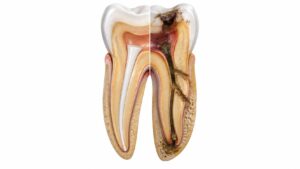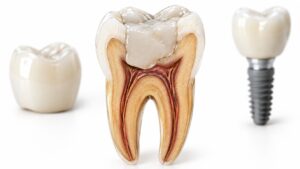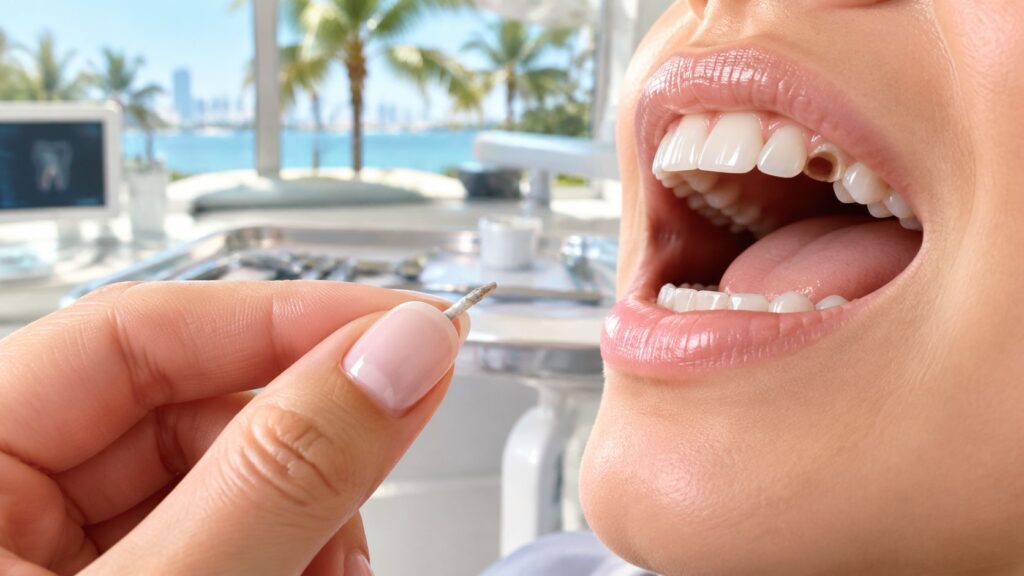
You're halfway through a Cuban sandwich in Little Havana when a hard piece lands on your tongue. Or you wake up in Brickell, run your tongue over a recently treated tooth, and feel a rough opening where the filling used to be. If a root canal filling fell out, the situation is stressful, but it's manageable when the tooth is protected and evaluated promptly.
A missing filling doesn't always cause pain. Root canal treatment removes the nerve inside the tooth, so an exposed access opening may feel like grit, sensitivity to air, or nothing at all. That absence of pain doesn't mean the tooth is safe. Oral bacteria and food debris can enter the unsealed space, and the tooth can become vulnerable to reinfection or fracture.
Ultra Smile DentalSpa is a Miami option for urgent dental evaluation, including a lost filling after root canal treatment. The practice combines clinical assessment with comfort measures such as noise-canceling headphones, warm blankets, and sedation options for patients who feel anxious. The recommendations below explain what to do now, what treatment may involve, and when to seek an emergency dentist in Miami, FL.
Table of Contents
- When Your Root Canal Filling Falls Out in Miami
- What to Do in the First Few Hours
- Why a Root Canal Filling Comes Loose
- Treatment Options for a Lost Filling
- What to Expect at Ultra Smile DentalSpa
- How to Prevent It From Happening Again
- Schedule Your Emergency Visit in Miami Today
When Your Root Canal Filling Falls Out in Miami
You notice a sharp edge while eating in Brickell, or your tongue finds a hole in a tooth treated recently. A temporary root canal filling can loosen during a meal, after biting something firm, or overnight under ordinary chewing pressure. Food may collect in the opening, even if the tooth looks otherwise unchanged.
Call your dentist promptly. A treated tooth may respond to air or temperature, yet it can also feel completely normal because the nerve was removed. Pain is not a reliable measure of the risk.
Why prompt attention matters
Temporary fillings are short-term seals. They protect the access opening only until the tooth receives its next stage of treatment, such as a permanent filling or crown. Patient guidance commonly recommends arranging dental care soon after the material is lost. Guidance from Midtown Endodontics on a lost root canal filling recommends contacting a dentist the same day, even without pain.
Miami's climate is not the reason to panic, but local routines can make an exposed tooth harder to protect. Cold drinks, sweet foods, sticky snacks, and busy travel between Downtown Miami, Brickell, and Miami Beach can push debris into the opening. Chewing on that side also places pressure on a tooth that still needs a definitive restoration.
Practical rule: Treat a root canal filling that fell out as a time-sensitive dental problem, even when the tooth feels fine.
A sealed canal system helps block oral bacteria between treatment visits and before permanent restoration. Clinical reviews report conventional root canal success rates of 80 to 85%, with some studies citing 86 to 98% depending on the criteria used. These figures support a calm, firm recommendation: keep the tooth protected, avoid chewing on it, and arrange professional evaluation promptly.
At Ultra Smile DentalSpa, a Miami visit can begin with an examination of the opening, the remaining temporary material, and the tooth's structural condition. The dentist can then determine whether the tooth needs a new temporary seal, a permanent restoration, or additional treatment. Comfort details such as noise-canceling headphones, warm blankets, and sedation options can make the appointment easier for an anxious patient, while the priority remains sealing and restoring the tooth safely.
What to Do in the First Few Hours
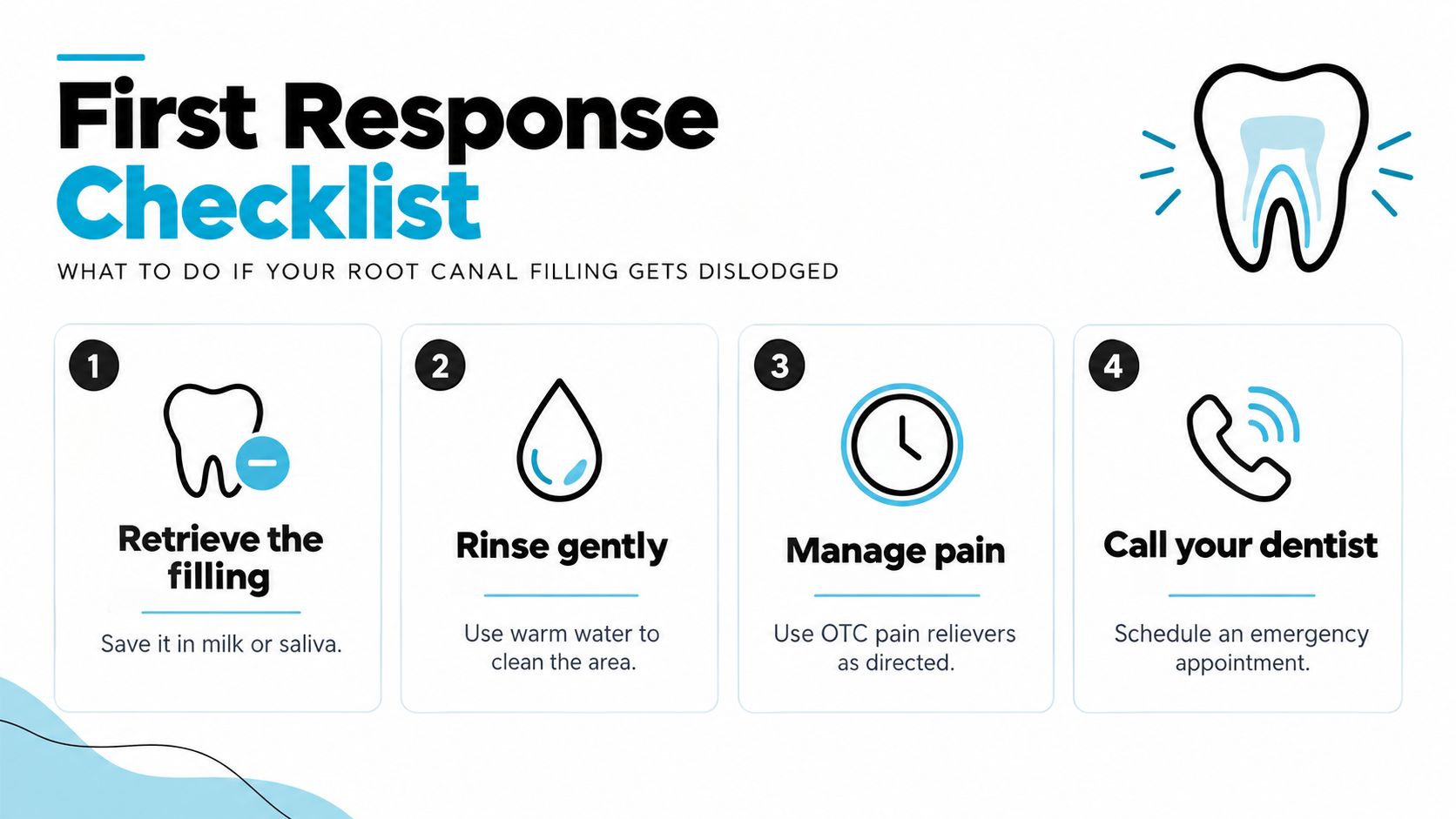
The first response should be simple. The patient's job is to keep the tooth clean, reduce pressure on it, manage discomfort safely, and contact Ultra Smile DentalSpa or the treating dentist without waiting for symptoms to worsen.
Protect the exposed tooth
If the filling can be found, it should be placed in a small clean bag or container and brought to the appointment. A dentist may decide whether any part can be used or whether a new seal is needed. The filling shouldn't be scrubbed aggressively, soaked in household products, or pushed back into place.
A gentle warm salt-water rinse can clear loose debris from the mouth. The rinse should be mild, and the patient shouldn't swish forcefully around the opening. Careful brushing around the tooth can continue, but fingers, toothpicks, tweezers, and other tools must stay away from the access cavity.
Reduce pressure and irritation
Chewing should move to the opposite side until the tooth has been examined. Very hot, cold, sticky, or sugary foods can irritate exposed tooth structure and leave debris in the opening, so softer, moderate-temperature foods are the sensible choice.
Over-the-counter ibuprofen or acetaminophen may help with discomfort when the patient can take those medicines safely and follows the product directions. A dentist or pharmacist should be consulted when there are medication interactions, allergies, pregnancy concerns, stomach problems, kidney disease, liver disease, or other medical restrictions.
A drugstore temporary dental cement shouldn't be used without professional guidance. It can be difficult to place correctly and may complicate cleaning or retreatment. The same caution applies to household adhesives, which have no place in dental care.
Patients who want a clearer picture of normal healing and post-treatment care can review root canal recovery time, but a lost seal still requires direct dental advice.
Know when the situation escalates
Swelling, fever, throbbing pain, facial pressure, drainage, or a bad taste should prompt urgent contact with an emergency dentist. These signs can indicate infection or inflammation that requires faster evaluation. The patient shouldn't wait for a routine cleaning and exams visit if those symptoms appear.
Why a Root Canal Filling Comes Loose
A filling can fall out because the tooth, restoration, or bite no longer supports the seal. The most important question isn't how the filling became dislodged. It's whether the tooth underneath remains clean, intact, and strong enough to restore.
The restoration may have been temporary
Temporary material often protects a tooth while the patient waits for a permanent crown or filling. It isn't built to withstand the full chewing forces placed on a back tooth, especially a molar. A delayed crown leaves the temporary seal carrying a job it wasn't designed to perform.
New decay can also develop at the margin between the tooth and restoration. Decay weakens the surrounding structure and gives the filling less support. Saliva contamination during the original bonding process may contribute to a poor seal, while ordinary wear can gradually loosen temporary material.
A tooth that needed root canal treatment may already have lost substantial structure from decay, cracks, or the original infection. If a fracture extends through the remaining tooth, replacing the filling alone may provide only short-term coverage.
Daily habits can overload the tooth
Hard foods create avoidable pressure. Ice, coconut pieces, hard tostones, nuts in shells, and similar foods can stress a restored tooth, particularly when the patient bites directly on the treated side. A sudden bite on a hard object can dislodge a filling or reveal a crack that was already developing.
Grinding and clenching add a different kind of force. Stress, sleep-related grinding, and an uneven bite can repeatedly load the restoration while the patient is unaware of it. A night guard may be appropriate after the dentist evaluates the bite and confirms that the tooth can be protected.
The cause determines the treatment. An intact tooth with a clean canal may need a new restoration, while a cracked tooth or contaminated canal may require retreatment or a different restorative plan. A focused exam and dental X-rays are essential before choosing.
Treatment Options for a Lost Filling
There are three practical treatment paths after a root canal filling comes loose. The right choice depends on the condition of the canal, the amount of remaining tooth structure, the presence of decay or fracture, and how quickly the tooth is evaluated.
Direct refill
A direct refill may work when the root canal remains sealed and healthy, the tooth has enough supporting structure, and the patient arrives quickly. This is usually the simplest route, but it doesn't solve a missing crown, a weakened cusp, a crack, or contamination below the surface. It may be suitable as an immediate repair while the definitive restoration is planned.
Retreatment
Retreatment becomes a consideration when bacteria have re-entered the canal, the original seal failed, symptoms have returned, or imaging raises concern around the root. The dentist or endodontist reopens the tooth, removes the existing root canal filling material, disinfects the canals, and reseals them.
A failed seal doesn't automatically mean the tooth must be extracted. Retreatment can still help preserve a natural tooth, although the outcome is less certain than leaving a clean, properly sealed initial treatment undisturbed. Published retreatment outcomes vary by diagnosis and case selection. A modern review reported healing rates of 78.8 to 87.5% and overall success rates of 78.0 to 86.4%, as summarized in PubMed's review of retreatment outcomes.
Core buildup and crown
A core buildup replaces missing tooth structure, and a crown covers and protects the restored tooth. This approach is commonly considered for back teeth and teeth with significant structure loss because chewing forces can fracture a heavily restored tooth.
The clinical decision shouldn't be based on pain alone. No pain may mean the tooth needs a new seal, lingering ache may raise concern about irritation or reinfection, and swelling requires urgent assessment. Only an examination and a periapical X-ray can determine whether the canal, root, and surrounding bone remain suitable for restoration.
The following table gives a qualitative comparison. A precise fee can't be responsibly quoted before diagnosis, because treatment complexity, materials, insurance, and the tooth's condition all affect pricing.
| Option | Best For | Durability | Typical Cost Range | Visit Time |
|---|---|---|---|---|
| Direct refill | An intact tooth with a clean, stable canal and adequate structure | Usually less durable than definitive crown protection | Varies after examination and treatment planning | Often the shortest appointment |
| Retreatment | Suspected reinfection, leakage, or failure of the original seal | Depends on canal anatomy, restoration, and remaining tooth structure | Varies significantly with complexity and coverage | Longer than a direct refill and may require follow-up |
| Core buildup and crown | A weakened back tooth or tooth with substantial structure loss | Designed for definitive protection when clinically indicated | Varies by buildup, crown material, and coverage | May involve preparation, temporary coverage, and a later crown visit |
Patients can review whether a crown is necessary after root canal treatment before an appointment, but the recommendation must remain specific to the tooth.
What to Expect at Ultra Smile DentalSpa
The process begins with a phone call to the Miami office. The front-desk team asks whether the filling is missing, whether the tooth is broken, and whether the patient has pain, swelling, fever, or drainage. Active pain or swelling may lead to same-day emergency scheduling, while a stable case may be arranged for the next available evaluation.
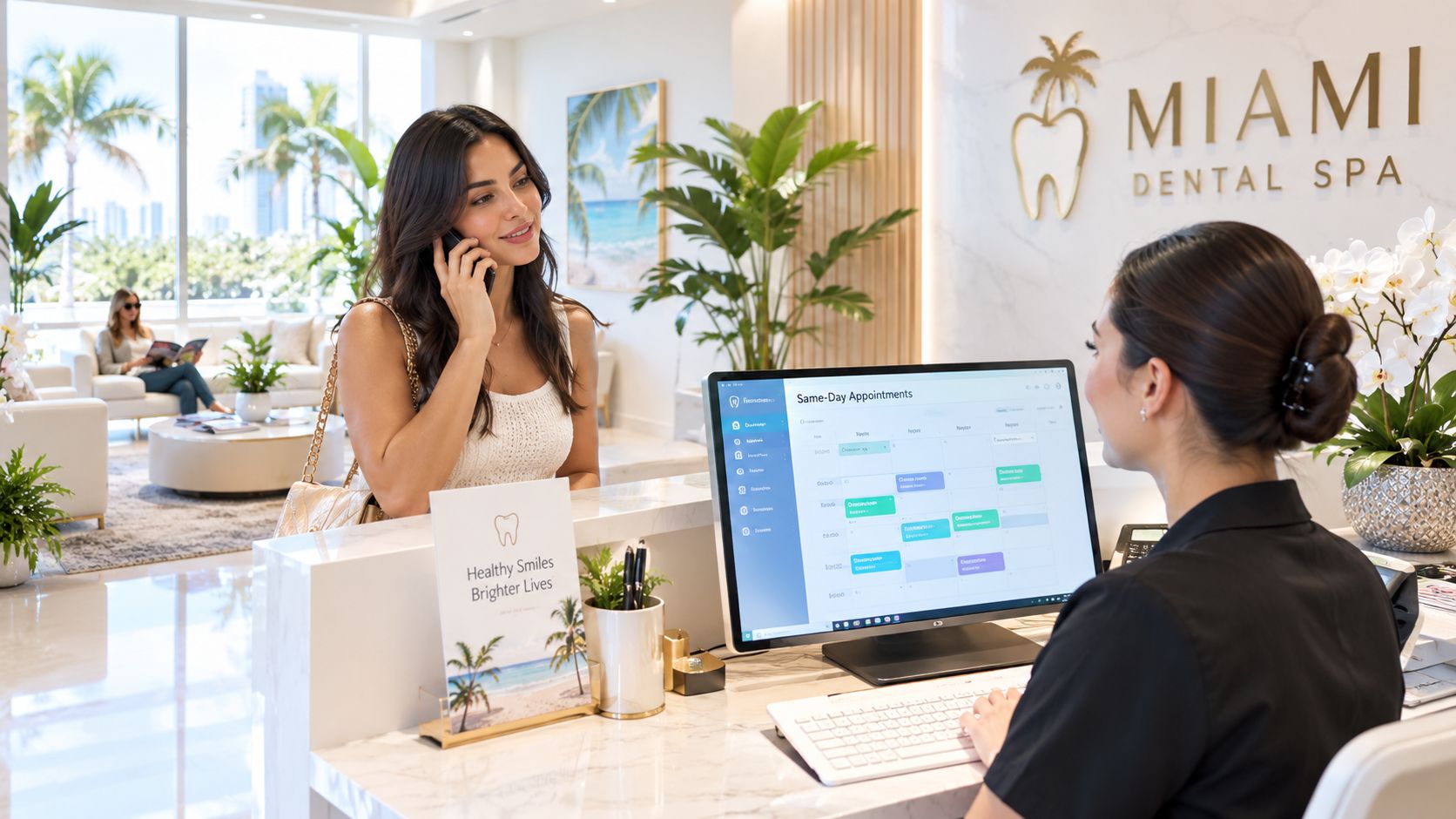
Arrival should feel organized rather than rushed. A soothing waiting area, warm neck pillow, refreshments, custom aromatherapy, and a warm towel finish can make the appointment easier for someone already worried about dental treatment. Noise-canceling headphones, streaming entertainment, numbing, and sedation options may also be discussed when anxiety is significant.
Diagnosis before commitment
The clinical appointment starts with a focused examination of the tooth, gums, bite, and surrounding tissues. A digital periapical X-ray helps the dentist assess the root canal seal and the bone around the root. The findings can be shown on a chairside monitor so the patient can see why a refill, retreatment, core buildup, crown, or another service is being considered.
The dentist then explains the options, including the benefits, limits, likely sequence, and estimated fees. Transparent treatment planning matters when a patient is deciding whether to begin treatment that day or return for a separate restorative visit.
A lost filling may be handled during the same appointment when the tooth is suitable for immediate care. If the case needs retreatment, a crown, a dental implant consultation, or tooth extraction because the tooth can't be predictably saved, the team explains the sequence instead of rushing the decision.
The practice also provides broader dental care, including restorative dentistry, dental implants, crowns, cleanings and exams, cosmetic dentistry, teeth whitening, night guards, and emergency dental services. Those options matter only when they match the diagnosis.
A short visual overview can help anxious patients understand the calm, patient-centered setting before arrival.
How to Prevent It From Happening Again
Prevention starts with completing the definitive restoration. A temporary filling should not be treated as a permanent crown substitute. Some guidance says a permanent crown or filling after root canal treatment is usually needed within about 1 to 2 weeks, and delaying beyond that can raise concern about leakage or reinfection, as explained by AP Dental Studio's temporary filling guidance.
Protect the restoration during meals
Ice, hard candy, nuts in shells, and hard food fragments can crack or loosen dental work. Restored teeth also shouldn't open packages, tear labels, or hold objects. These habits place concentrated force on areas that already have less natural structure.
Routine hygiene protects the margins around a crown or filling. Brushing should remain gentle but thorough, and floss should pass carefully around the restoration rather than snap forcefully into the gums. A dentist can demonstrate the technique when a crown or large filling changes the contact between teeth.
Address grinding instead of ignoring it
Clenching and grinding can damage both restorations and natural teeth. Patients who wake with jaw tension, notice worn tooth surfaces, or receive feedback from a sleeping partner may benefit from a custom night guard after a bite evaluation. A guard can't repair a leaking filling, but it may reduce stress on completed dental work when the dentist recommends it.
Keep the follow-up schedule
Regular follow-up helps the dentist identify marginal leakage, decay, bite problems, or cracks before a restoration falls out. Ultra Smile DentalSpa can tailor recall timing to the patient's risk, with a six-month checkup and periodic bitewing or periapical X-rays when clinically appropriate. The office should also be contacted at the first sign of sensitivity, food trapping, chewing discomfort, or a rough edge.
Schedule Your Emergency Visit in Miami Today
A patient searching for an emergency dentist after a root canal filling fell out shouldn't spend the day comparing unrelated services. The immediate need is a focused evaluation, a clean temporary or permanent seal, and a clear plan for protecting the tooth.
Ultra Smile DentalSpa serves patients in Brickell, Coral Gables, Coconut Grove, Key Biscayne, Wynwood, and Miami Beach, as well as the surrounding Miami community. The front desk can triage a lost-filling case the same morning, identify whether the situation needs a same-day emergency slot, and reserve time for endodontic concerns.
Patients can call the practice line, request an urgent appointment through the website form, or walk in during business hours. The team can discuss active pain, swelling, medication concerns, sedation, insurance, and whether treatment may begin during the first visit.
The environment is designed for patients who may already feel tense. Weighted blankets, noise-canceling headphones, warm towels, soothing amenities, and clear explanations help replace uncertainty with a predictable plan. A patient who originally searched for “dentist near me may also receive coordinated restorative care, including a crown, composite filling, dental implants near me consultation, cosmetic dentistry, or tooth extraction when the diagnosis requires it.
The recommendation is direct: contact Ultra Smile DentalSpa today, protect the tooth until the appointment, and don't wait for pain to appear because an exposed canal gives bacteria an opportunity to re-enter.
Ultra Smile DentalSpa provides urgent root canal evaluations, restorative dentistry, crowns, and comfort-focused emergency care for Miami patients with a lost filling. Visit Ultra Smile DentalSpa to request an appointment or contact the practice directly before the exposed tooth becomes a larger problem.