Pediatric Dentist Near Me Miami FL
Research shows that a child’s early experiences at the dental clinic will fundamentally shape their oral hygiene habits for the rest of their adult life. When a young patient associates tooth care with positive reinforcement and comfort, they are far more likely to maintain a beautiful, cavity-free smile as they grow older. Establishing this foundation requires finding a specialized dental team that understands the unique needs of developing mouths and anxious minds.
Finding the right dental provider for little ones often feels daunting for parents who want only the highest quality care. Navigating insurance, clinic locations, and specialized treatments can quickly become overwhelming when searching for a pediatric dentist near me in Miami, FL. This comprehensive guide will help parents confidently choose the best available dental care to keep their children smiling brightly and healthily.
Readers will learn about the profound importance of scheduling early dental visits and exploring modern preventative treatments. The following sections also cover crucial topics like managing childhood dental milestones, handling sudden emergencies, and building great oral hygiene habits at home.
The Foundation of Lifelong Dental Health
Why Baby Teeth Matter More Than You Think
Primary teeth serve a critical purpose by holding the proper amount of space in the jaw for incoming permanent teeth to emerge correctly. These early teeth also aid in proper speech development, allowing children to learn pronunciation without structural impediments. Furthermore, healthy baby teeth allow children to chew nutritious foods comfortably, directly supporting their physical growth and overall digestive health during their most formative years.
The Timeline for Your Child’s First Dental Visit
The American Academy of Pediatric Dentistry strongly recommends that a child should see a dentist when their very first tooth appears, or no later than their first birthday. This early timeline gives dental professionals the opportunity to monitor initial jaw development and catch potential issues before they become severe. It also provides parents with a dedicated time to ask questions about proper infant oral hygiene and receive tailored advice.
Breaking the Cycle of Dental Anxiety Early
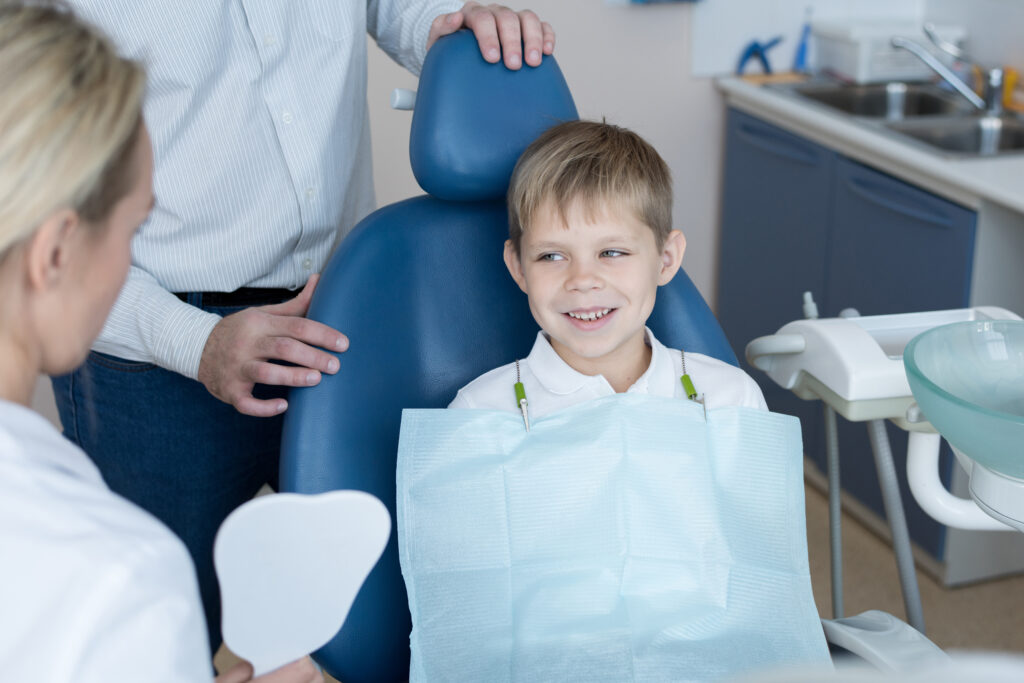
Early, positive, and completely non-invasive dental visits help young children view the clinic as a safe, normal environment rather than a place to fear. When toddlers experience fun chair rides, gentle counting of their teeth, and friendly interactions with the staff, their anxiety levels drop significantly.
What Makes a Pediatric Dentist Different?
Specialized Training Beyond General Dentistry
Pediatric dentists complete two to three additional years of rigorous residency training after finishing their standard dental school education. This specialized education focuses intensely on child psychology, behavioral management, and the intricate details of pediatric physical growth and development. This advanced background ensures that specialists know exactly how to handle both the medical and emotional needs of children ranging from infancy through adolescence.
Child-Sized Equipment and Welcoming Environments
Specialized clinics utilize specifically designed, smaller tools to ensure absolute physical comfort for patients with tiny mouths and sensitive gums. Pediatric offices are intentionally decorated to feel inviting and playful, often featuring bright colors, engaging toys, and child-friendly entertainment in the waiting areas.
Psychology-Driven Approaches to Patient Care
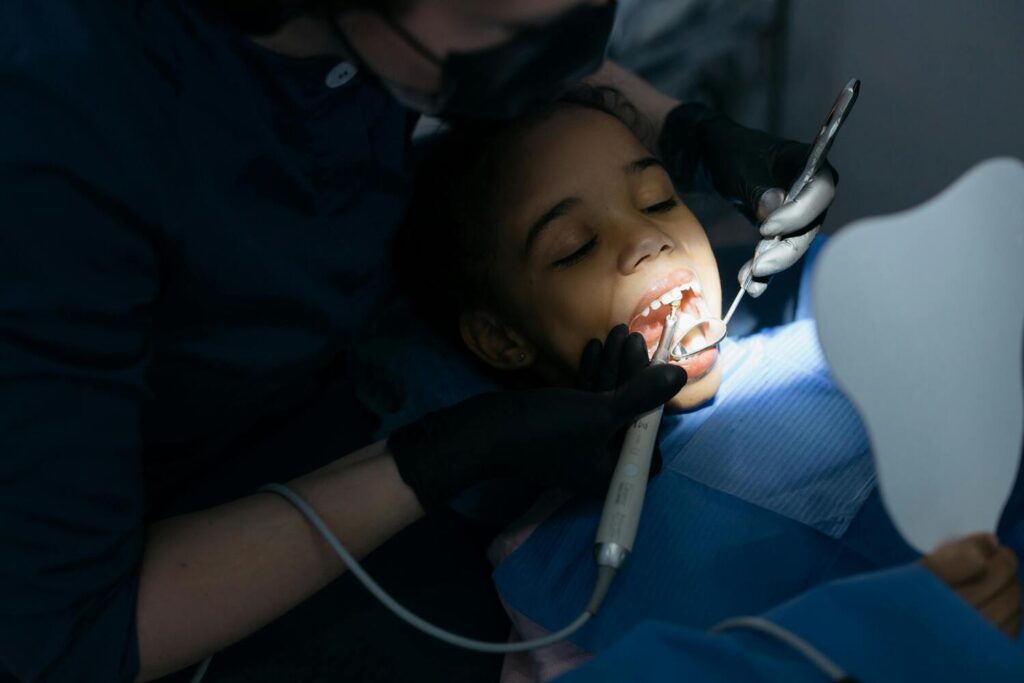
Pediatric dental professionals heavily utilize the “tell-show-do” method and other proven communication strategies to explain upcoming procedures in highly accessible, kid-friendly terms. By demonstrating how a tool works on a child’s finger or a stuffed animal before using it in their mouth, the dentist effectively removes the fear of the unknown. These psychological techniques drastically reduce anxiety and build a deep sense of trust between the young patient and the medical team.Navigating Teething and Early Oral Milestones
Soothing Techniques for Teething Discomfort
Parents can safely relieve teething pain by offering their infants chilled teething rings that naturally numb sore, inflamed gums. Gently massaging the baby’s gums with a clean finger also provides counter-pressure that significantly dulls the aching sensation associated with erupting teeth. Avoiding topical numbing gels containing benzocaine is highly advised, as these products can pose serious health risks to young children.
Transitioning from Bottle to Cup Safely
The ideal timeline for weaning a child off a bottle typically falls around their first birthday to prevent the onset of severe baby bottle tooth decay. Transitioning to a sippy cup or open cup stops sugary liquids from pooling around the upper front teeth during naps or bedtime. This crucial transition also encourages proper jaw alignment and strengthens the oral muscles required for clear, articulate speech development.
Managing Thumb-Sucking and Pacifier Habits
Prolonged thumb-sucking deeply affects the development of the palate, often leading to narrowed arches, open bites, and the need for future orthodontic correction. Parents can help children break these habits gently by utilizing positive reinforcement strategies, such as offering praise or small rewards for every day they avoid sucking their thumb. If the habit persists past age three, a pediatric dentist can provide specialized appliances to gently discourage the behavior.
Preventative Care: Defending Tiny Teeth
The Power of Professional Fluoride Treatments
Quick, completely painless fluoride varnishes actively remineralize weak spots in the tooth enamel, making teeth significantly more resistant to aggressive decay. The dentist paints this targeted, sticky mineral directly onto the child’s teeth, where it quickly hardens and strengthens the microscopic structure of the enamel.
Dental Sealants: A Shield Against Cavities
Dental sealants involve painting a thin, durable protective coating directly over the deep, hard-to-clean grooves of the back molars. This barrier effectively blocks out microscopic food particles and harmful bacteria that a regular toothbrush simply cannot reach. Applying sealants is a fast, non-invasive process that provides several years of robust protection against the most common type of childhood cavities.
Nutritional Choices That Strengthen Enamel
Tooth-friendly snacks like natural cheese, crunchy vegetables, and plain water actively stimulate saliva production, which naturally washes away harmful oral acids. Conversely, parents should carefully avoid hidden sugars found in popular items like processed fruit juices, sticky fruit snacks, and gummy vitamins that cling to the teeth. Establishing a balanced diet rich in calcium and low in simple carbohydrates serves as the ultimate daily defense for a growing smile.
The Ultra Smile Difference for Miami Families
Crafting a Fun, Fear-Free Clinic Experience
The warm, engaging atmosphere at Ultra Smile instantly puts children at ease the very moment they walk through the clinic doors. Every staff member is highly trained to greet children with boundless enthusiasm, ensuring that the environment feels more like a fun playdate than a medical visit.
Comprehensive Care Under One Roof at Ultra Smile
Ultra Smile provides the immense convenience of a comprehensive practice that handles absolutely everything from routine infant exams to advanced restorative care for growing teenagers. Families save valuable time by avoiding frustrating referrals to outside specialists for complex procedures or early orthodontic evaluations.
Empowering Parents with Practical Home-Care Education
The dedicated dental team at Ultra Smile consistently takes the time to teach parents highly effective brushing techniques tailored specifically for wiggling toddlers or independent older kids. The staff provides completely personalized nutritional advice and oral hygiene strategies based entirely on the child’s specific dental anatomy and cavity risk factors.
Teaching Kids to Love Brushing and Flossing
Making Oral Hygiene a Fun Daily Game
Parents can easily make brushing exciting by playing catchy two-minute tooth-brushing songs that keep children happily engaged for the required duration. Letting the child practice brushing a favorite stuffed animal’s teeth before their own turn gives them a wonderful sense of control and participation. Transforming this daily requirement into a fun, interactive game completely eliminates the common bedtime battles over oral hygiene.
Choosing the Right Toothbrush and Toothpaste
Selecting soft-bristled, age-appropriate toothbrushes with small heads ensures that parents can comfortably reach the very back of the child’s mouth without causing gagging or discomfort. Using the correct amount of fluoride toothpaste is equally important; experts recommend a tiny rice-sized smear for toddlers and a standard pea-sized amount for older kids who can reliably spit. Picking a toothpaste flavor the child actually likes further encourages their willingness to participate in daily brushing routines.
The Reward System: Celebrating Good Habits
Setting up a colorful sticker chart in the bathroom can highly motivate children to brush and floss their teeth consistently without needing to be asked. Offering a small weekly reward, such as a trip to a local Miami park or an extra bedtime story, reinforces the immense value of keeping their teeth clean.
Handling Common Childhood Dental Emergencies
What to Do When a Baby Tooth is Knocked Out
Parents should never try reinserting a knocked-out primary tooth, because forcing it back into the socket can severely damage the developing permanent tooth underneath. Instead, the parent should apply a clean cold compress to the child’s face to reduce swelling and immediately contact the pediatric dentist.
Quick Responses for Chipped or Broken Teeth
If a child fractures a tooth, the parent should carefully gather any broken tooth fragments and store them in a small container of cold milk. Rinsing the child’s mouth with warm water cleans the area, while applying a cold compress to the cheek helps manage sudden swelling. Heading straight to the emergency dental clinic allows the dentist to potentially reattach the fragment or safely seal the exposed, sensitive nerve.
Relieving Sudden Toothaches at Home
Safe pain management techniques, like gentle warm saltwater rinses, can effectively reduce painful gum inflammation surrounding a problematic tooth. Over-the-counter pediatric pain relievers provide necessary comfort while the family waits to see the dentist for an emergency appointment. Parents should never place crushed aspirin directly on the gums, as this home remedy causes severe chemical burns on delicate oral tissues.
Orthodontic Evaluations for Growing Jaws
Recognizing Early Signs of Bite Alignment Issues
Parents can easily spot common red flags, such as severely crowded teeth, an extreme overbite, or visible difficulty chewing solid foods. Habitual mouth breathing or jaws that constantly click and pop also strongly indicate that a child might desperately need a professional orthodontic evaluation. Catching these structural warning signs early allows the dental team to intervene before the skeletal issues become permanently set in the adult jaw.
The Benefits of Phase 1 Interceptive Orthodontics
Early interventions, typically starting around age seven, can gently guide the child’s jaw growth to create adequate space for incoming adult teeth. Phase 1 interceptive orthodontics utilizes specialized appliances to widen narrow palates, which drastically simplifies or even eliminates the need for extensive dental braces during the teenage years.
How Jaw Development Impacts Speech and Breathing
There is a crucial, undeniable link between proper palate expansion, clear speech articulation, and healthy airway development in growing children. A properly aligned jaw ensures that the tongue rests in the correct position, which keeps the child’s airway fully open for restful, restorative sleep.

Addressing Cavities with Compassion
Spotting the Early Signs of Tooth Decay
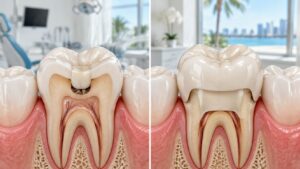
Parents should regularly check their child’s teeth for chalky white spots on the enamel, which serve as the very first visible indicator of mineral loss and early decay. Complaints of sudden sensitivity to hot, cold, or highly sweet foods also point to a developing cavity that requires immediate professional attention. Catching tooth decay in these early stages allows the dentist to use the most conservative, painless treatments available.
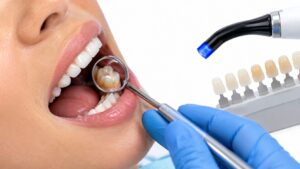
Gentle Approaches to Pediatric Dental Fillings
Modern pediatric dentists use specialized quiet tools, tooth-colored composite materials, and highly effective topical numbing gels to make the filling process fast and completely comfortable. By speaking softly and using distraction techniques like ceiling-mounted televisions, the dentist keeps the child calm while removing the decay. The use of biocompatible materials ensures that the final restoration looks entirely natural and functions perfectly for chewing.
Safe Sedation Options for Nervous Children
The safe use of nitrous oxide, commonly known as laughing gas, helps highly anxious children relax and sit perfectly still during restorative dental procedures. This mild, sweet-smelling sedative acts very quickly to reduce fear and wears off completely within minutes after the mask is removed. Offering this gentle sedation option prevents emotional trauma and allows the dentist to complete necessary medical work safely and efficiently.
Summer and School-Year Dental Strategies
Scheduling Checkups Around the Miami School Calendar
Booking routine exams and dental cleanings during the long summer break or winter holidays helps families avoid pulling kids out of important academic classes. Because Miami pediatric dental clinics book up very quickly during these popular breaks, parents should schedule their appointments several months in advance. Maintaining this consistent, six-month schedule ensures that the child’s oral health stays perfectly on track throughout the entire calendar year.
Packing Tooth-Friendly Lunches and Snacks
Practical school lunchbox ideas should heavily prioritize lean proteins, whole grains, and bottled water over highly processed, sticky fruit snacks and sugary sports drinks. Packing crisp apples, celery sticks, and cheddar cheese provides children with tasty options that naturally scrub the teeth clean during the school day.
Protecting Smiles During Youth Sports
Having a custom-fitted mouthguard is critically important for any child participating in soccer, martial arts, basketball, and other contact-heavy local sports. Unlike bulky store-bought versions, professional mouthguards fit the child’s exact dental anatomy, offering superior shock absorption to prevent knocked-out teeth and concussions. Wearing this essential protective gear allows young athletes to play their hardest without putting their growing smiles at serious risk.
A Lifetime of Healthy, Confident Smiles
Consistent, gentle pediatric dental care unquestionably lays the permanent groundwork for a lifetime of healthy, confident, and pain-free smiles. The early years of a child’s life present a unique window of opportunity to establish strong oral hygiene routines and correct structural issues before they become deeply complicated. By prioritizing preventative treatments, early orthodontic evaluations, and positive clinic experiences, parents give their children a distinct medical advantage.
Building excellent oral habits takes significant time, patience, and repetition, but having the absolute right dental team makes the entire journey much easier. Families do not have to navigate the complexities of teething, brushing battles, or sudden dental emergencies completely on their own. A compassionate pediatric dental team serves as an invaluable partner, offering expert guidance and steady reassurance at every single developmental milestone.
Take proactive charge of your child’s dental health by thoroughly researching local Miami FL specialists who prioritize gentle, patient-focused care. Reach out to a dedicated pediatric clinic today to schedule their next routine checkup and secure their healthy smile for the future.