Pediatric Dentist Near Me: A Parent’s Guide to Stress-Free Dental Visits for Kids
Early dental experiences lay the foundation for a lifetime of healthy oral habits. When children feel safe and comfortable in the dentist’s chair, they are far more likely to maintain proper dental hygiene and attend regular checkups as adults. A positive initial encounter transforms a potentially scary medical appointment into an engaging, educational adventure.
Many parents naturally feel a wave of anxiety when scheduling medical appointments for kids. Will the child throw a tantrum? Will the procedure hurt? These fears often stem from the adults’ own negative memories of clinical, uncomfortable dental visits in the past. It is completely normal to worry about how a young, unpredictable toddler will react to strangers inspecting their mouth with sharp instruments.
Searching for a “pediatric dentist near me” is the first step toward turning that fear into confidence. Choosing a practitioner who specializes in treating young patients ensures the entire experience is tailored to children. The right specialist knows exactly how to soothe nervous toddlers, answer a million curious questions, and make oral health fun for everyone involved.
The Difference Between General and Pediatric Dentists
Specialized Medical Training
Pediatric dentists complete extra years of rigorous residency training after dental school to focus entirely on children. This specialized education covers child psychology, behavior management, and the intricate details of childhood growth and development. Because children are not simply miniature adults, having a doctor who intimately understands the physical and emotional milestones of early development makes a world of difference.
Child-Sized Tools and Technology
Adult-sized mirrors and loud suction tubes can easily overwhelm a small child. Pediatric clinics utilize specialized, smaller dental instruments designed specifically for tiny mouths, ensuring treatments are as physically comfortable as possible. These offices also frequently feature lower-radiation digital x-rays, prioritizing maximum safety while providing necessary diagnostic images for growing jaws and teeth.
A Psychological Approach to Care
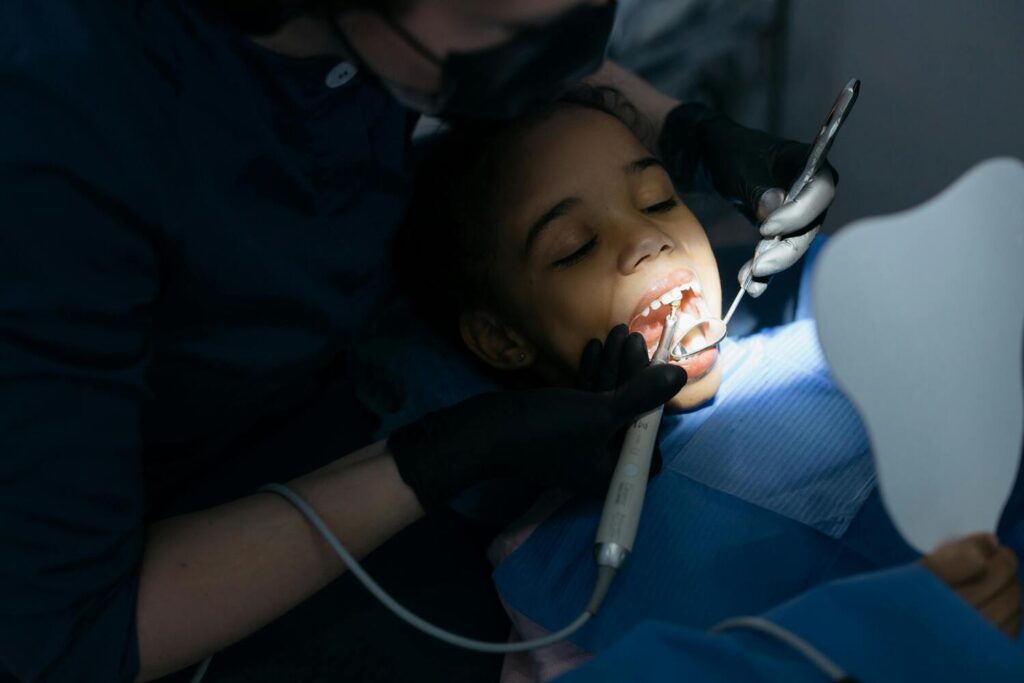
Specialists rely heavily on behavioral guidance techniques to build a trusting relationship with young patients. The “tell-show-do” method is a classic example: the dentist verbally explains what will happen, demonstrates it on a model or the child’s hand, and only then performs the action in the mouth.
Timing the Very First Dental Appointment
The First Tooth, First Birthday Rule
The American Academy of Pediatric Dentistry strongly recommends scheduling a child’s initial dental visit either when their first tooth erupts or by the time they reach their first birthday. This early timeline might surprise some parents, but infant teeth are highly susceptible to decay as soon as they emerge.
Spotting Early Developmental Issues
Bringing an infant or toddler to the clinic early on helps professionals identify potential problems long before they require complex treatments. Dentists carefully evaluate jaw growth, monitor early bite alignment, and look for initial signs of early childhood tooth decay. Catching these subtle developmental issues in the toddler years opens the door to simpler, less invasive preventative strategies down the road.
Establishing a Dental Home
Finding a consistent, familiar clinical environment early gives a child a reliable “dental home.” When kids visit the same friendly faces in the same colorful building every six months, the routine becomes completely normalized and devoid of fear. As they grow from toddlers into teenagers, having a centralized record of their oral development history allows for highly personalized, uninterrupted care.
Evaluating a Kid-Friendly Clinic Environment
Welcoming and Interactive Waiting Rooms
The atmosphere of the waiting room sets the immediate tone for the entire visit. Look for spaces completely devoid of clinical stiffness, featuring bright colors, engaging sensory toys, and age-appropriate books. These thoughtful additions easily distract children from their initial nervousness, shifting their focus toward play and exploration rather than an impending medical exam.
In-Chair Distraction Techniques
Keeping a child still in the dental chair is much easier when the clinic employs clever, modern distractions. Many top-tier pediatric offices mount televisions on the ceiling directly above the treatment chairs so kids can watch their favorite cartoons. Customized music playlists, soothing light displays, and cheerful conversations all work together to keep the child’s mind occupied while the dentist works quickly and gently.
Positive Reinforcement Systems
Children respond incredibly well to praise and tangible rewards for bravery. Excellent pediatric practices always incorporate some form of positive reinforcement, such as handing out small toys, colorful stickers, or specialized toothbrushes at the end of the visit. Earning a spot on a “no cavity club” photo wall gives kids a profound sense of pride and leaves them eager to return for their next checkup.
Preparing Your Child at Home Before the Visit
Using Role-Play and Storybooks
Normalizing the upcoming appointment at home is the best way to prevent waiting-room meltdowns. Reading upbeat storybooks about favorite characters visiting the dentist provides a recognizable, comforting narrative framework. Parents can also encourage role-play by pretending to be the dentist, asking the child to open wide, and “counting” the teeth of their favorite stuffed animals or action figures.
Choosing the Right Vocabulary
The words used to describe the appointment hold immense power over a child’s imagination. It is crucial to completely avoid scary terminology like “shot,” “drill,” “pull,” or “pain,” which instantly trigger a fight-or-flight response. Instead, adopt kid-friendly alternative phrases, describing the dentist as a “tooth counter” or explaining that a special tool will “tickle” the teeth clean.
Managing Your Own Dental Anxiety
Children are incredibly perceptive and will quickly mirror any nervous energy adults project. It is vital for parents to manage their own dental anxieties and maintain a calm, upbeat, and positive tone when discussing the clinic. Treating the visit like a fun, everyday errand rather than a stressful medical event helps the child walk through the clinic doors feeling relaxed and secure.
Understanding Pediatric Sedation and Safety
The Basics of Nitrous Oxide
Commonly known as “laughing gas,” nitrous oxide is a highly safe, mild sedative frequently used in pediatric dentistry. The child breathes a sweet-smelling mixture of oxygen and nitrous oxide through a small mask placed over the nose, which induces a calm, slightly euphoric state without putting them to sleep.
When Deeper Sedation is Necessary
For children with severe anxiety, special needs, or those requiring extensive restorative work, deeper sedation options may be required. Oral conscious sedation involves a prescribed liquid medication that makes the child drowsy, while IV sedation puts the patient into a deeper state of sleep managed by an anesthesiologist.
Pre- and Post-Sedation Care
Any form of sedation requires strict adherence to specific pre- and post-operative instructions. Parents must diligently follow fasting guidelines before the appointment to prevent nausea and ensure absolute safety during the procedure. After returning home, the child will need dedicated monitoring and a quiet space to rest, as lingering drowsiness or mild irritability can occasionally occur while the medication completely leaves their system.
Preventative Care: Beyond the Basic Cleaning
The Protective Power of Dental Sealants
Because the deep grooves on the chewing surfaces of back molars are notoriously difficult to clean, dentists frequently recommend applying dental sealants. This quick, painless process involves painting a thin, invisible resin coating directly onto the tooth to physically block out food particles and cavity-causing bacteria. Sealants act as a protective shield, drastically reducing the likelihood of childhood cavities in those vulnerable areas.
Navigating Fluoride Treatments
Professional fluoride applications are a cornerstone of preventative pediatric dental care. The dentist applies a concentrated fluoride varnish to the teeth, which works to rapidly remineralize weak enamel and reverse the earliest microscopic stages of tooth decay. Regular fluoride treatments ensure the protective outer layer of the teeth remains strong enough to withstand the daily barrage of sugars and acidic foods.
Habit Counseling and Intervention
Pediatric dentists are uniquely trained to help families navigate and eventually break harmful oral habits. Prolonged thumb sucking or aggressive, long-term pacifier use can severely alter the shape of the growing palate and misalign developing teeth. The dental team can gently guide parents through positive reinforcement strategies, offering specialized advice and sometimes custom dental appliances to correct these habits before permanent damage occurs.
Experiencing the Ultra Smile Standard of Pediatric Care
Tailoring Visits to Sensory Needs
Practices operating under a high standard of care actively adapt their environment for children with sensory processing sensitivities. Lowering the overhead lights, turning off background music, and allowing the child to wear noise-canceling headphones can drastically reduce sensory overload.
Building Lifelong Trust Through Gentle Care
A clinical team that prioritizes patience over speed is the secret to building lifelong trust. Taking the time to slowly introduce every shiny mirror and buzzing tool allows the child to process the sensory information without feeling rushed or threatened. This gentle, methodical approach guarantees the child leaves the chair feeling respected and heard, solidifying a positive view of medical professionals.
Comprehensive Family Scheduling
Juggling multiple medical appointments for different children is a massive logistical headache for busy parents. Clinics that offer comprehensive family scheduling allow parents to book preventative care for a squirming toddler alongside an orthodontic evaluation for a teenager, all under the exact same roof.

Handling Pediatric Dental Emergencies
Dealing with Chipped or Broken Baby Teeth
Toddlers are notoriously clumsy, and falls resulting in chipped or broken baby teeth are incredibly common. If a fracture occurs, parents should immediately clean the area with warm water, apply a cold compress to minimize facial swelling, and recover any large broken tooth fragments if possible.
What to Do for a Knocked-Out Permanent Tooth
When an older child knocks out a permanent adult tooth, adhering to the “golden hour” rule is critical for saving it. The tooth must be picked up strictly by the chewing dental crown—never the delicate root—and gently rinsed with milk or saline if dirty. The best course of action is to reinsert it into the socket, but if that is impossible, storing it in a small container of milk while rushing straight to the clinic gives the tooth the highest chance of survival.
Assembling a Home Dental First-Aid Kit
Because accidents happen when least expected, having a dedicated dental first-aid kit in the bathroom cabinet is a smart preventative measure. Essential items include sterile gauze pads for biting down on bleeding gums, a small bottle of saline wash, temporary dental wax for sharp orthodontic wires, and a dedicated, child-sized cold compress. Being prepared with the right tools ensures panic is kept to a minimum during an unexpected oral injury.
Ensuring a Lifetime of Healthy Smiles
Finding a reliable local pediatric dentist involves looking far past a colorful waiting room. It requires evaluating the doctor’s specialized training, their communication style with young patients, and the clinic’s dedication to robust preventative care. A positive, trust-filled relationship with a childhood dentist effectively erases the legacy of dental anxiety for the next generation.
Take action today by asking friends, family, or local parenting groups for recommendations. Call two or three highly-rated clinics to ask specific questions about their approach to first-time visits and sensory accommodations. Securing a stress-free appointment now sets your child on the path to a confident, healthy smile for years to come.
Ultra Smile DentaSpa
https://maps.app.goo.gl/aZyhKAnrJbTXqQFv8
(305) 676-5330
111 NE 32nd St, Miami, FL 33137, United States
https://www.ultrasmilemiami.com/