Sensitivity after teeth whitening is common but temporary, often lasting only 1 to 3 days. It usually peaks within 24 to 48 hours, then settles down, although a small percentage of patients can feel symptoms for up to two weeks.
That timing matters when someone in Miami finally gets the brighter smile they wanted, then feels a sharp zing from cold water later that night. The discomfort can be surprising, especially when the whitening itself went smoothly. In most cases, though, it doesn't mean anything went wrong. It means the teeth are reacting to the bleaching process in a way dentists see every day.
Patients searching for a cosmetic dentist near me or a dentist in Miami, FL often ask the same practical question before booking whitening. How long will sensitivity last, and can anything be done to prevent it? The answer depends on the whitening method, the strength of the product, and whether the teeth already have issues like enamel wear, gum recession, or untreated decay.
This guide gives a straight answer, then goes further. It covers why whitening causes sensitivity, how long different methods tend to bother teeth, what helps, and how a comfort-focused approach can make the experience easier for patients in Downtown Miami, Midtown Miami, and Hallandale Beach.
Table of Contents
- Your Guide to Teeth Whitening in Miami FL
- Why Teeth Become Sensitive After Whitening
- How Different Whitening Methods Affect Sensitivity
- How to Manage and Prevent Whitening Sensitivity
- A Comfortable Whitening Experience at Ultra Smile DentalSpa
- When to Contact Your Dentist in Miami
Your Guide to Teeth Whitening in Miami FL
You whiten your teeth for an event, look in the mirror, and love the brighter color. The next morning, cold water or a breath of air catches you off guard. That reaction is common, and in most cases it settles on its own.
The more useful question is not only how long sensitivity lasts. It is why it happens in the first place, whether your teeth were already more likely to react, and how the whitening plan can reduce that risk before treatment even starts. In my practice, that is the difference between a whitening visit that feels easy and one that leaves a patient frustrated for the next few days.
Sensitivity after whitening is usually temporary. What changes from person to person is the intensity and the recovery time. Teeth with enamel wear, gum recession, small cracks, untreated cavities, or a history of repeated whitening tend to react more than teeth with a healthy, stable surface. That is why a quick shade treatment is not always the right approach.
Why the timeline matters
A realistic timeline helps patients stay calm and make better decisions. Brief tenderness to cold drinks, cold air, sweets, or brushing can fall within the normal range after whitening. A short period of sensitivity does not mean the tooth was harmed.
A better way to judge it is by the pattern.
Practical rule: If sensitivity is mild, triggered by temperature, and improving each day, it usually fits routine post-whitening recovery.
That said, comfort should be part of the treatment plan from the start. A patient with healthy enamel may do well with standard professional whitening. A patient with exposed root surfaces, older dental work, or naturally sensitive teeth often needs a gentler protocol, shorter exposure time, or a staged approach. Those details matter.
Why patients in Miami ask this before booking
Patients in Miami often want whitening to fit into a bigger dental plan, not sit apart from it. Before brightening the smile, it helps to know whether the mouth is healthy enough for whitening to be comfortable. If there is decay, gum recession, leaking fillings, or heavy enamel wear, those issues can make post-whitening sensitivity more likely and more intense.
That is one reason we evaluate more than tooth shade at Ultra Smile DentalSpa. We look at the condition of the enamel, existing restorations, gum health, and your history with sensitivity before choosing a whitening method. Then we adjust the treatment around comfort, not just color change.
The goal is a brighter smile with as little irritation as possible. In Miami, where patients often want results before weddings, vacations, business events, and photo-heavy weekends, that comfort-first approach matters just as much as the final shade.
Why Teeth Become Sensitive After Whitening
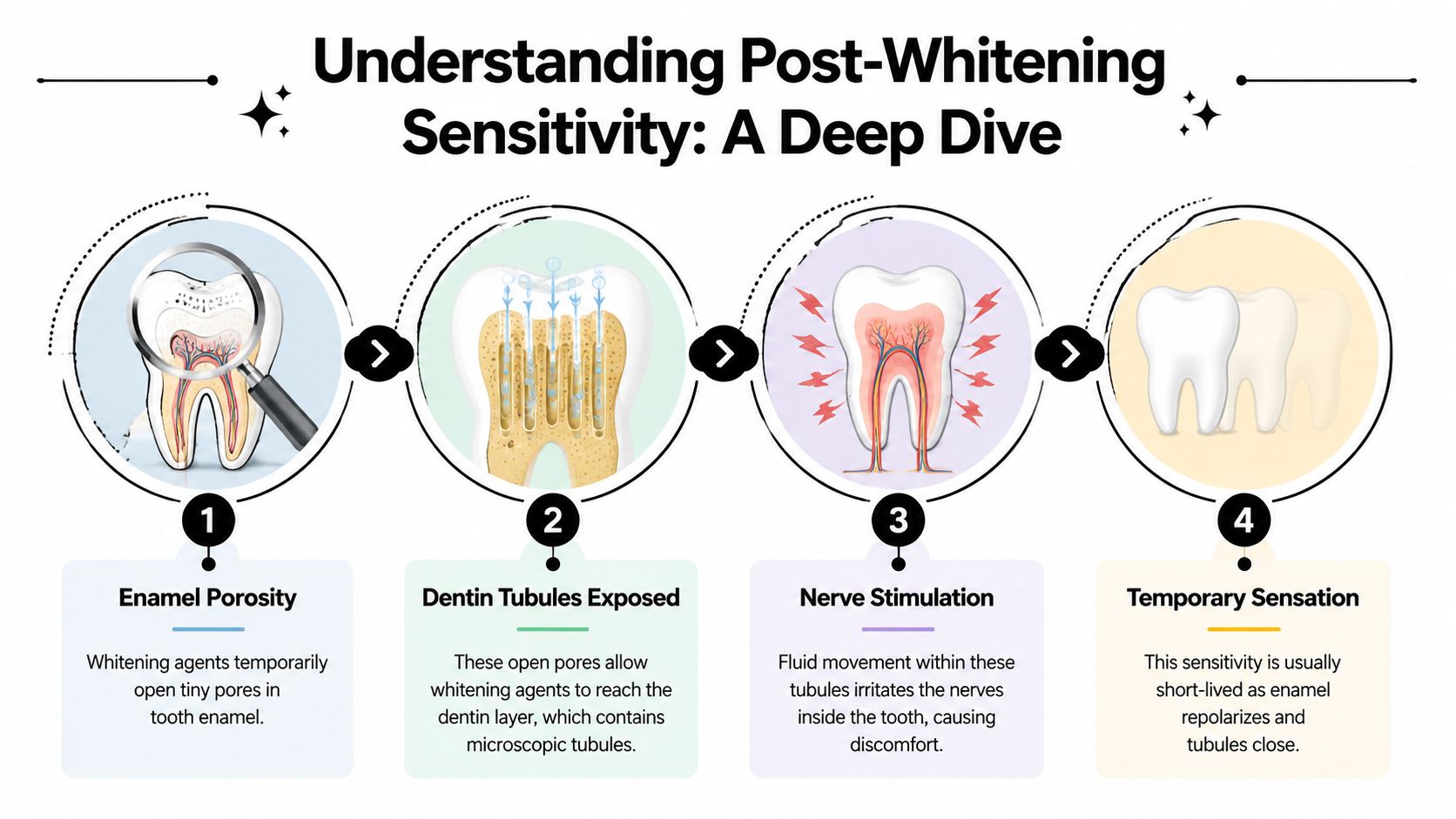
A whitening gel has to pass through enamel to break up stain molecules below the surface. That process can also irritate the tooth for a short time, especially the dentin and the nerve-rich tissue inside the tooth. The result is temporary sensitivity, not a sign that the tooth is being damaged in the usual post-treatment case.
What's happening inside the tooth
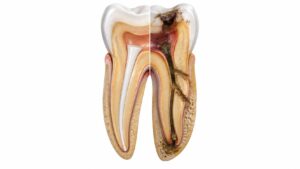
Enamel is not a solid wall. It has microscopic pathways that allow peroxide-based whitening ingredients to travel inward and lift deeper discoloration. While that is happening, fluid movement inside the tooth can increase and the nerve can become more reactive to cold air, cold drinks, or sweets. Skin after a strong exfoliation reacts in a similar short-term way. The surface is intact, but it is temporarily more responsive.
In practice, patients usually describe this as a quick zing, a cold shock, or a dull ache that comes and goes.
The intensity varies because teeth vary. Teeth with thinning enamel, exposed roots, small cracks, untreated cavities, leaking fillings, or gum recession tend to react more strongly. Patients with a history of sensitivity often need a different approach from the start, not the same whitening plan used for someone with thick enamel and no prior symptoms. That is why choosing among different types of teeth whitening treatments matters more than many patients realize.
What sensitivity usually feels like
Sensitivity during teeth whitening has been documented in 30% to over 78% of patients, and it is usually mild to moderate, greatest in the first 1 to 2 days, and resolves within days according to this research review on whitening sensitivity.
That wide range explains why people report very different experiences. One patient may only notice mild awareness with iced water. Another may feel several sharp zings the first evening. Both patterns can fall within normal recovery.
Whitening sensitivity is common enough that dentists should plan for it before treatment, not react to it after the fact.
At Ultra Smile DentalSpa, that planning starts before the gel is ever applied. We check for recession, worn enamel, exposed root surfaces, and older restorations, then adjust the formula, contact time, and treatment pace to reduce sensitivity as much as possible. That comfort-first protocol fits the kind of whitening experience many Miami patients want. Noticeable results, gentle care, and as little post-treatment irritation as possible.
How Different Whitening Methods Affect Sensitivity
Not all whitening methods behave the same way. Two products can both promise a whiter smile and still create very different comfort levels afterward.
Professional treatment compared with take-home and store-bought options
The method matters because concentration, fit, and application control all matter.
| Method | Typical sensitivity pattern | Main benefit | Main downside |
|---|---|---|---|
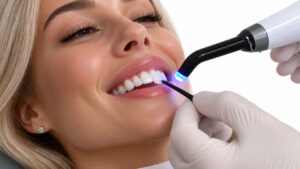
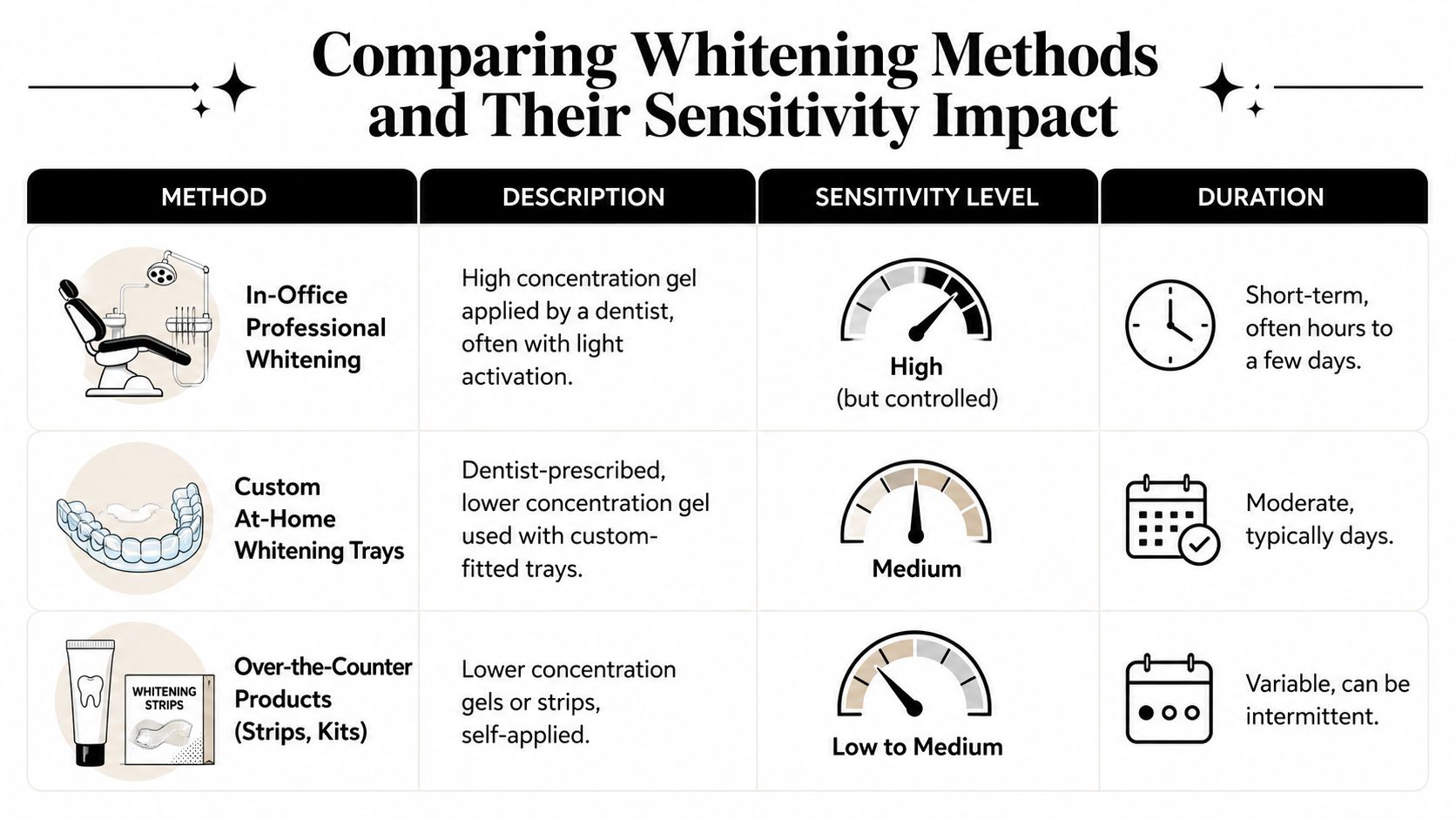
| In-office professional whitening | Can cause sensitivity for 24 to 48 hours | Faster results and professional isolation of gums | Stronger formulas can trigger short-term reactivity |
| Custom take-home trays from a dentist | Often more gradual and easier to adjust | Better fit and better control than store-bought products | Requires patient consistency |
| Over-the-counter strips or kits | Some strips may cause mild pain for up to a week | Convenient and widely available | One-size-fits-all fit can irritate teeth and gums |
A source comparing methods notes that professional whitening may cause sensitivity for 24 to 48 hours, while some over-the-counter strips can cause mild pain for up to a week, especially with higher peroxide concentrations or pre-existing enamel wear, as explained in this review of safe whitening options for sensitive teeth.
Patients who want to compare options in more detail can review different types of teeth whitening treatments before choosing between in-office care, custom trays, and store-bought products.
The real trade-off is control
Professional whitening is stronger, but it's also more controlled. The gums can be protected, the material can be placed precisely, and the treatment can be adjusted if the teeth start reacting too much.
Store-bought strips are weaker in some cases, but weaker doesn't always mean easier. A strip that overlaps the gums, sits unevenly on the teeth, or gets used too often can create a longer stretch of low-grade irritation. That's a common reason patients say an over-the-counter product felt “milder during use but more annoying afterward.
Custom trays from a dentist usually sit in the middle. They give patients more flexibility than an in-office appointment and more precision than an off-the-shelf kit. For people with a history of sensitivity, that middle ground often makes sense.
A fast whitening result isn't always the gentlest route. A slower plan with better fit and supervision is often easier on reactive teeth.
The safest choice depends less on marketing and more on the actual mouth in front of the dentist. Someone with healthy teeth may do well with in-office whitening. Someone with recession, enamel wear, or frequent past whitening may be better served by a more gradual approach.
How to Manage and Prevent Whitening Sensitivity
Sensitivity after whitening is usually manageable, and in many cases it can be reduced before treatment even starts. The key is to lower irritation, avoid common triggers, and avoid whitening teeth that were already likely to react.
What helps before and after whitening
In practice, the patients who do best are usually the ones who prepare for sensitivity instead of waiting for it. If teeth have a history of reacting to cold drinks, whitening should be planned more carefully from the start.
A few steps make a real difference:
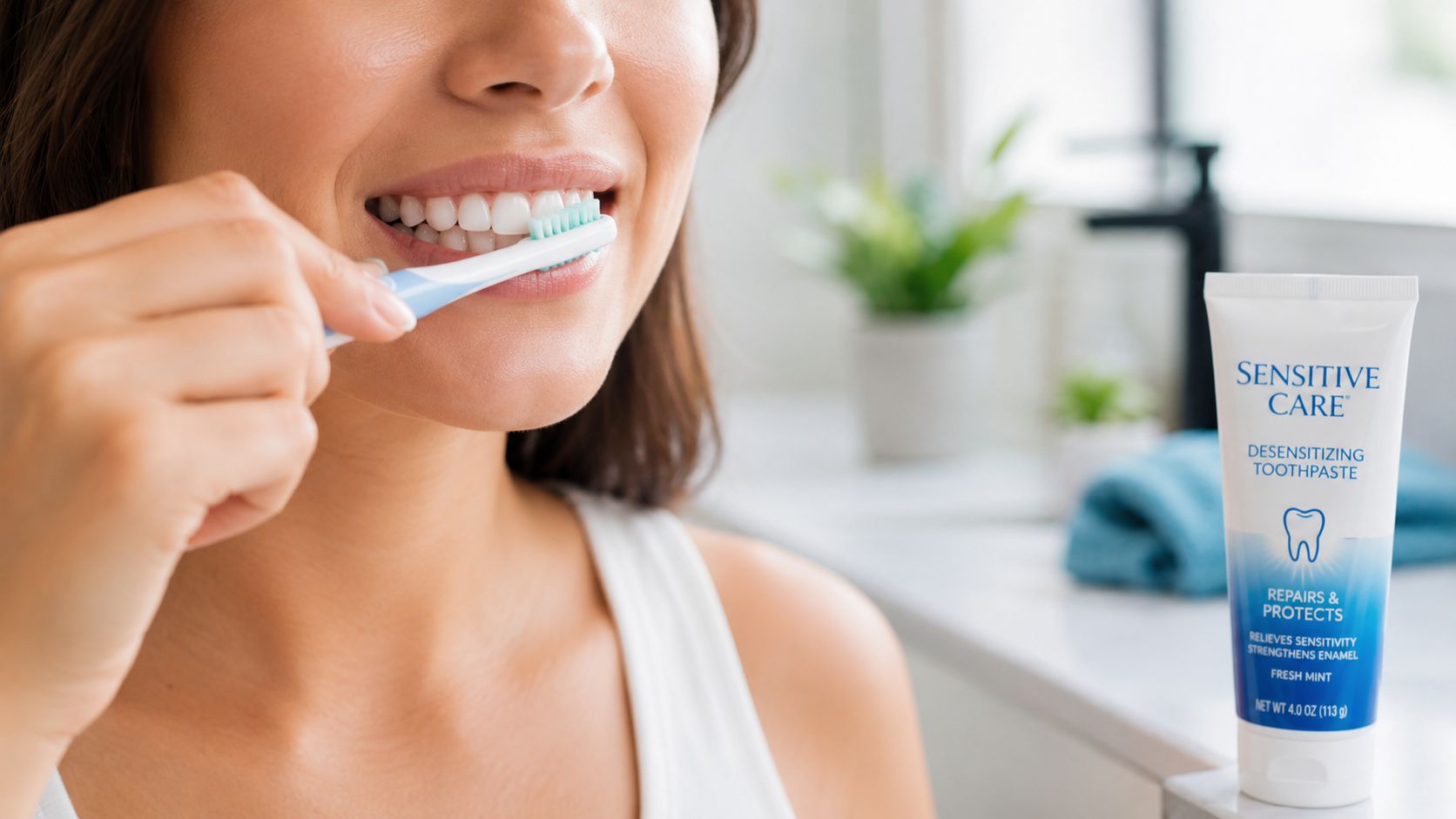
- Start a desensitizing toothpaste before treatment: Toothpastes with potassium nitrate can reduce nerve response over time.
- Use fluoride or other remineralizing support if your dentist recommends it: This can help calm the teeth after whitening.
- Choose lukewarm foods and drinks for the first day or two: Iced coffee, frozen drinks, and very hot soup are common triggers right after treatment.
- Take a short break from acidic foods: Citrus, soda, sports drinks, and vinegar-based foods can make recently whitened teeth feel sharper and more reactive.
- Brush gently with a soft brush: Heavy brushing on already irritated teeth adds friction without helping.
Timing matters too. If sensitivity starts, the goal is not to push through another whitening session right away. Give the teeth time to settle. For patients with a known history of sensitivity, a whitening plan designed for sensitive teeth is often more comfortable than using a standard one-size-fits-all kit.
What usually makes it worse
I see the same mistakes repeatedly, especially after store-bought whitening:
- Whitening again too soon: Repeated exposure on irritated teeth tends to prolong the discomfort.
- Ignoring gum irritation: If gel contacts the gums, patients often describe the whole mouth as feeling inflamed, even when the teeth are the main issue.
- Using whitening products on teeth with recession, wear, or untreated decay: Those teeth have less protection and often react faster.
- Eating and drinking by habit instead of comfort: Ice water, hot coffee, and acidic snacks can keep mild sensitivity going longer than it needs to.
Home remedies are another place where patients lose time. Rinsing with random products, overbrushing, or switching between multiple whitening kits usually does more harm than good. A short, calm recovery plan works better.
This short video gives a simple patient-friendly overview of common sensitivity triggers and relief habits:
One useful habit: If teeth feel reactive after whitening, keep the next day or two neutral and gentle. Lukewarm drinks, soft brushing, and a break from acidic snacks usually help more than DIY fixes.
Whitening should wait if there is another dental problem underneath. Cavities, cracked teeth, exposed roots, active gum disease, or unexplained pain should be treated first. At Ultra Smile DentalSpa, that screening step matters because a comfortable whitening result starts with healthy teeth, not just a stronger gel.
A Comfortable Whitening Experience at Ultra Smile DentalSpa
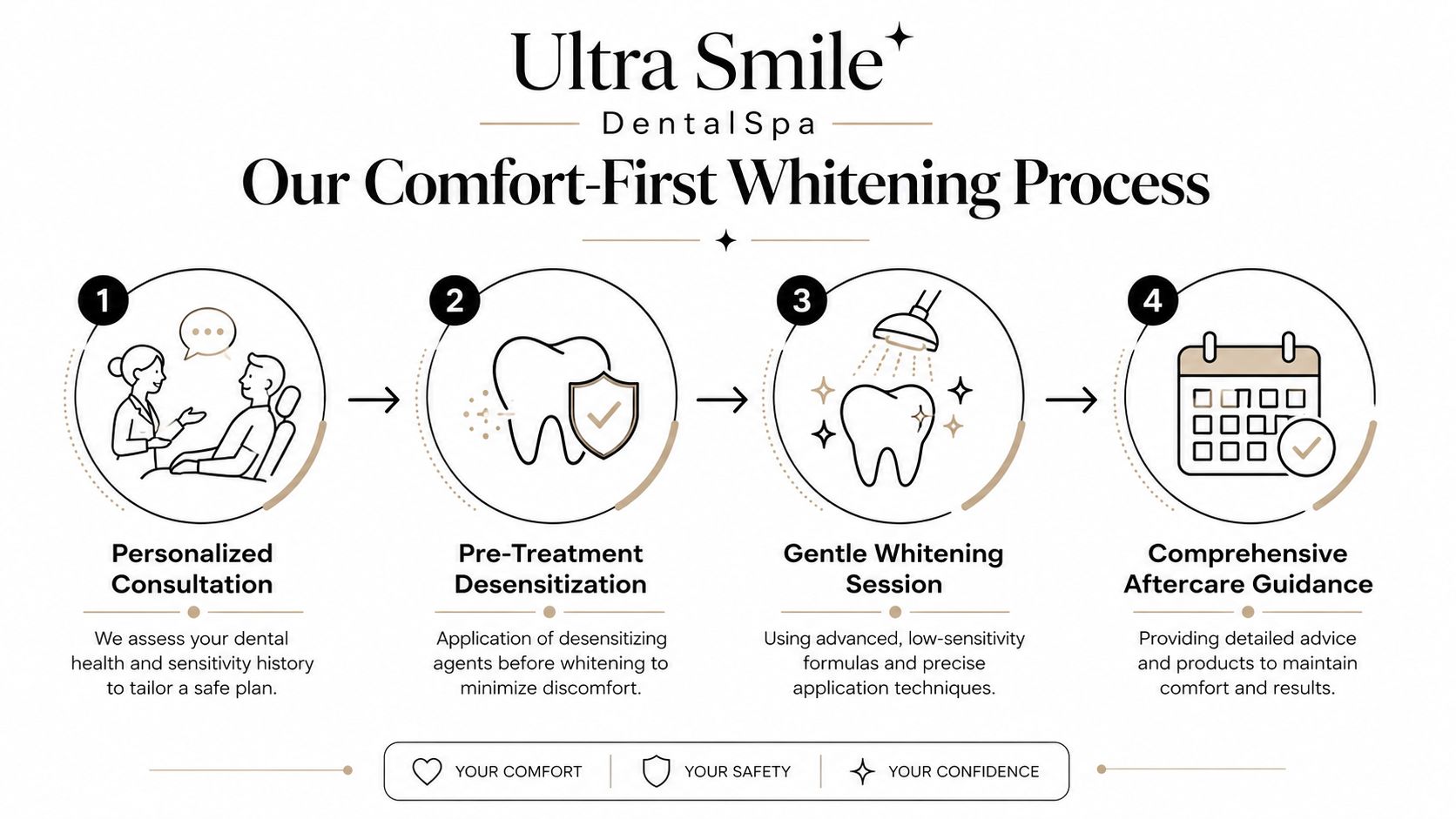
A good whitening experience depends on more than the gel. It depends on screening, technique, and what the practice does to reduce discomfort before the patient ever feels it.
How a comfort-first whitening visit works
At Ultra Smile DentalSpa, a whitening visit can be planned around sensitivity risk rather than treated as a standard cosmetic add-on. That means looking closely at enamel wear, gum recession, exposed dentin, untreated cavities, and previous whitening history before deciding how aggressive the treatment should be.
A comfort-focused whitening protocol usually includes several small decisions that matter a lot in real life:
- A customized consultation: Teeth that look healthy in the mirror may still have recession, worn edges, or exposed root surfaces that change the whitening plan.
- Careful isolation of the gums: Protective barriers reduce irritation from gel contact.
- Desensitizing support before and after treatment: This helps calm reactive teeth and lower the chance of a rough first day.
- Real aftercare instructions: Patients do better when they leave knowing what to eat, what to avoid, and what level of sensitivity is expected.
This type of planning is especially useful for adults seeking teeth whitening, cosmetic dentistry, or broader smile upgrades that may also involve veneers, crowns, Invisalign, or restorative care. Whitening works better when it fits into the patient's larger dental picture.
Why the setting matters too
Dental anxiety can magnify discomfort. A patient who's tense during treatment often notices every sensation more intensely. That's one reason the environment matters.
A spa-like setting with calming details such as refreshments, custom aromatherapy, streaming entertainment, and a soothing finish doesn't replace good dentistry. It supports it. Patients who feel relaxed tend to tolerate cosmetic procedures better and follow aftercare more consistently.
Comfortable whitening starts before the first drop of gel touches the tooth. It starts with planning, protection, and a setting that lowers stress instead of adding to it.
For many Miami patients, that combination matters as much as the shade change itself. They want cosmetic results, but they also want the process to feel manageable, especially if they've had sensitivity before.
When to Contact Your Dentist in Miami
A little cold sensitivity the first day or two after whitening is common. Pain that keeps building, wakes you up, or makes it hard to eat is not something to brush off.
The pattern matters. Typical post-whitening sensitivity comes and goes with cold drinks, cool air, or brushing, then settles as the teeth recover. If the discomfort becomes more constant, more intense, or starts to feel like one specific tooth is the problem, a dental exam is the right next step.
Some patients do take longer to settle, especially after stronger whitening systems or if the teeth were already reactive before treatment. As noted earlier, a small group can have moderate to severe sensitivity that lasts up to 1 to 2 weeks. That is not the usual course, and it deserves a closer look if improvement is slow.
Certain Miami patients should call sooner rather than later. Gum recession, untreated decay, cracked enamel, worn biting edges, leaking fillings, and periodontal disease can all make whitening sensitivity feel worse, or mimic it. In those cases, the issue is not only the whitening gel. The tooth or gum may already need treatment.
I see this regularly in cosmetic consultations. A patient comes in assuming whitening caused the pain, but the underlying source is a small cavity, an exposed root surface, or a cracked tooth that only became obvious after the whitening process.
That is why evaluation matters.
If sensitivity lasts longer than expected, becomes sharp or localized, or feels out of proportion to the treatment, Ultra Smile DentalSpa can check whether the teeth just need time, fluoride or desensitizing support, or whether there is a separate problem that needs attention. Sometimes that visit stays focused on whitening recovery. Sometimes it leads to a fuller exam for issues such as cleaning and exams, dental x-rays, a new patient exam, restorative dentistry, dental implants near me, or a painful fracture that may require tooth extraction.
If sensitive teeth after whitening are lasting longer than expected, or if a brighter smile is the goal without guessing through store-bought options, schedule a visit with Ultra Smile DentalSpa. Patients in Miami, FL, including Downtown Miami, Midtown Miami, and Hallandale Beach, can book a consultation for personalized whitening guidance, comfort-focused cosmetic care, and a complete dental evaluation when sensitivity may point to something more than whitening alone.