A new crown usually brings two reactions at once. Relief that the tooth feels whole again, and anxiety about doing something that could damage it.
That concern is reasonable, especially in a city like Miami where patients care about both comfort and appearance. A crown often restores more than chewing. It protects a treated tooth, supports a polished smile, and preserves work that was chosen carefully for function and aesthetics. The good news is that crown care is straightforward when patients focus on the right habits and stop worrying about the wrong things.
Many people searching for a dentist in Miami, FL, a cosmetic dentist near me, or even an emergency dentist after a chipped tooth ask the same question. How do you care for a crown so it stays secure, looks natural, and doesn't lead to new problems underneath? The answer isn't complicated, but it does require consistency.
Table of Contents
- Your Guide to Dental Crown Care from a Dentist in Miami FL
- Daily Hygiene to Maximize Your Crown's Lifespan
- Foods and Habits to Avoid with Dental Crowns
- Caring for Temporary Crowns and Managing Sensitivity
- When to See Your Dentist About Your Crown
- Experience Exceptional Crown Care in Miami
Your Guide to Dental Crown Care from a Dentist in Miami FL
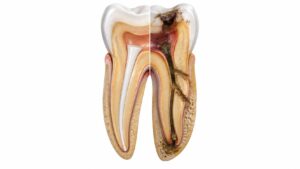
A crown can look finished from day one, but it still needs protection. The porcelain or zirconia may feel smooth and strong, yet the long-term success of the restoration often depends on what happens where the crown meets the natural tooth.
That detail matters more than most patients expect. The visible top of the crown is rarely the problem. Trouble usually starts at the edge, where plaque collects, gums become irritated, or the seal is stressed by habits like clenching, chewing ice, or skipping regular cleanings and exams.
In Miami, crown treatment is often part of a bigger picture. Some patients come in after a fracture and need restorative dentistry. Others are refining their smile and choose crowns as part of cosmetic dentistry, sometimes alongside teeth whitening, veneers, or new patient exams that uncover old fillings or bite issues. In either case, the after-care goal is the same. Keep the crown stable, keep the gumline healthy, and keep the tooth underneath protected.
A crown should feel like part of the natural smile, not like a fragile object. Good care makes that possible.
Patients from Downtown Miami, Midtown Miami, and Hallandale Beach often ask whether crowns require special products. Usually, they don't. They require disciplined basics and a little common sense. Soft brushing beats aggressive scrubbing. Thoughtful flossing beats avoiding the area. Routine dental care beats waiting until something feels off.
Why crown care is different from ordinary tooth care
A natural tooth can sometimes tolerate a little neglect before symptoms appear. A crowned tooth is less forgiving if plaque builds up around the margin or if heavy pressure keeps hitting the same spot. That's why patients who invest in premium restorative work should think in terms of maintenance, not just repair.
For people looking for a dentist near me in Miami, quality follow-up is key. A well-made crown deserves equally careful home care, plus periodic evaluation so small issues don't become bigger ones.
Daily Hygiene to Maximize Your Crown's Lifespan
A crown doesn't need complicated maintenance. It needs a routine that protects the margin, keeps the gums calm, and reduces wear from avoidable habits. According to Cleveland Clinic's dental crown guidance, crowns have an average lifespan of 5 to 15 years, and with proper care some can last upwards of 30 years. The same guidance recommends brushing at least twice a day, flossing once daily, using antibacterial mouthwash, avoiding very hard, crunchy, or chewy foods, and wearing a custom mouth guard if teeth grinding or clenching is an issue.
Why the gumline matters most
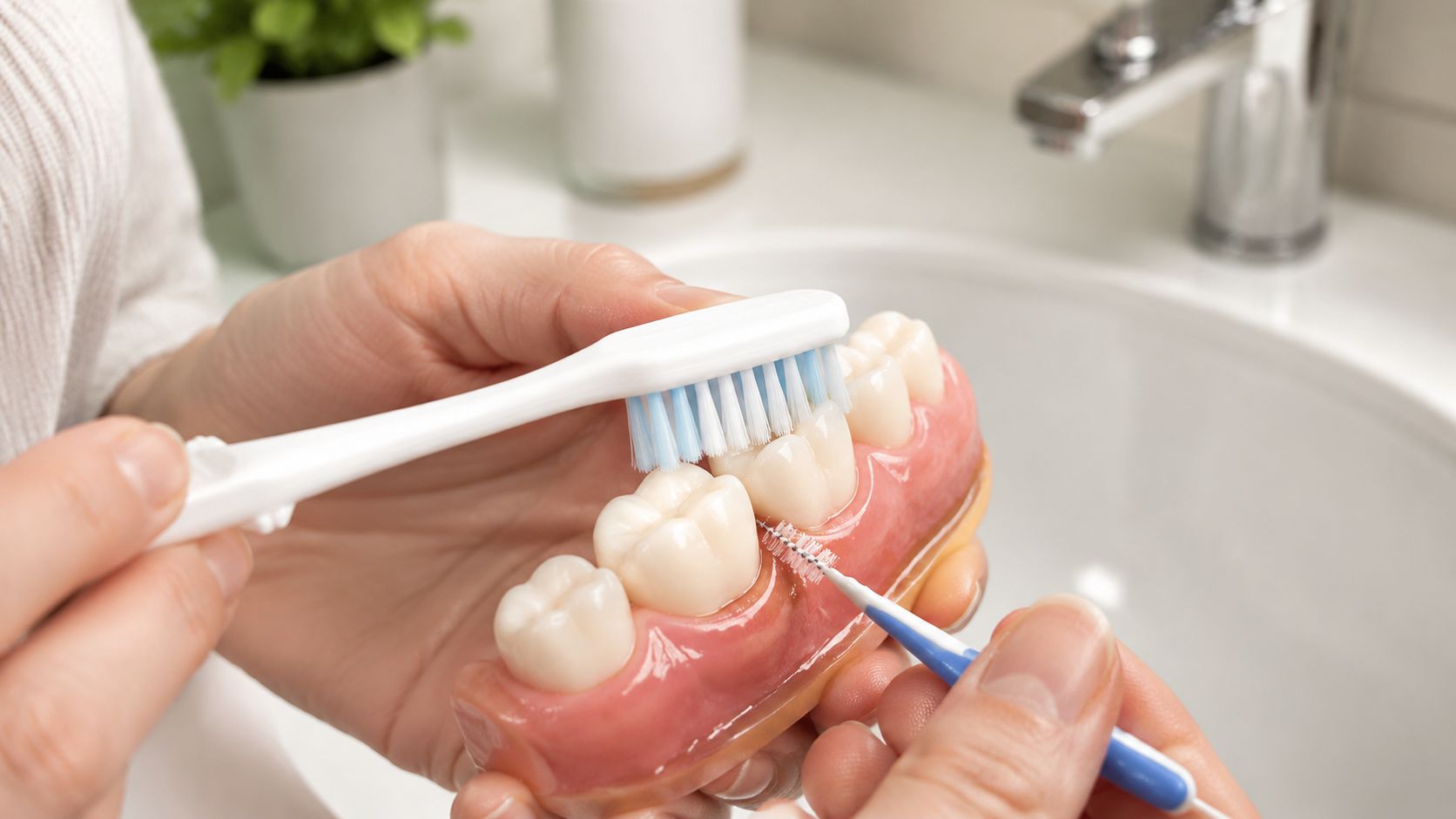
Most failures don't start because the top of the crown looks dirty. They start because plaque sits at the edge where the crown meets the tooth. That area can trap bacteria even when the crown itself looks polished and intact.
Patients often focus on the visible surface and miss the margin. That's the area to respect every day. Gentle brushing at the gumline is more useful than pressing hard on the top of the crown.
Practical rule: Clean the edge of the crown more carefully than the center of it.
A simple routine that works
A reliable home routine should look like this:
- Use a soft-bristled toothbrush. Hard bristles and forceful brushing can irritate the gums and make the margin harder to keep clean.
- Brush with fluoride toothpaste twice daily. The crown can't decay, but the tooth underneath and around it still can.
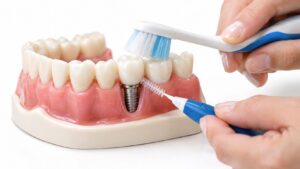
- Floss once a day with control. Don't snap floss down into the contact. Guide it gently along the side of the tooth and under the gumline.
- Rinse with antibacterial mouthwash. This can help reduce plaque around areas that stay inflamed.
- Protect the crown at night if needed. Patients who clench or grind often need a custom night guard.
Flossing worries many patients, especially after placement. The fear is understandable. If a crown is new, the area may feel tight or tender, and some people are afraid the floss will hook the restoration. The better approach is slower technique, not avoidance. Slide the floss carefully, hug the side of the tooth, and move without force.
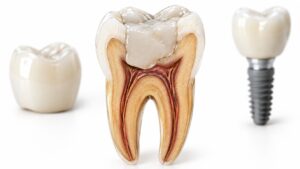
Patients who are still deciding on materials often benefit from understanding the differences in appearance and durability between common options. This comparison of porcelain crowns vs metal crowns helps clarify how those trade-offs affect daily wear and long-term expectations.
A crown lasts longer when daily care is boring, consistent, and precise. Fancy products don't outperform disciplined basics.
Foods and Habits to Avoid with Dental Crowns
Patients usually think about cleaning first, but a crown also depends on what it has to endure. Damage often comes from repeated stress, not one dramatic event. A tooth restored with a crown still has limits, especially when it meets hard, sticky, or non-food objects day after day.
What tends to chip or crack a crown
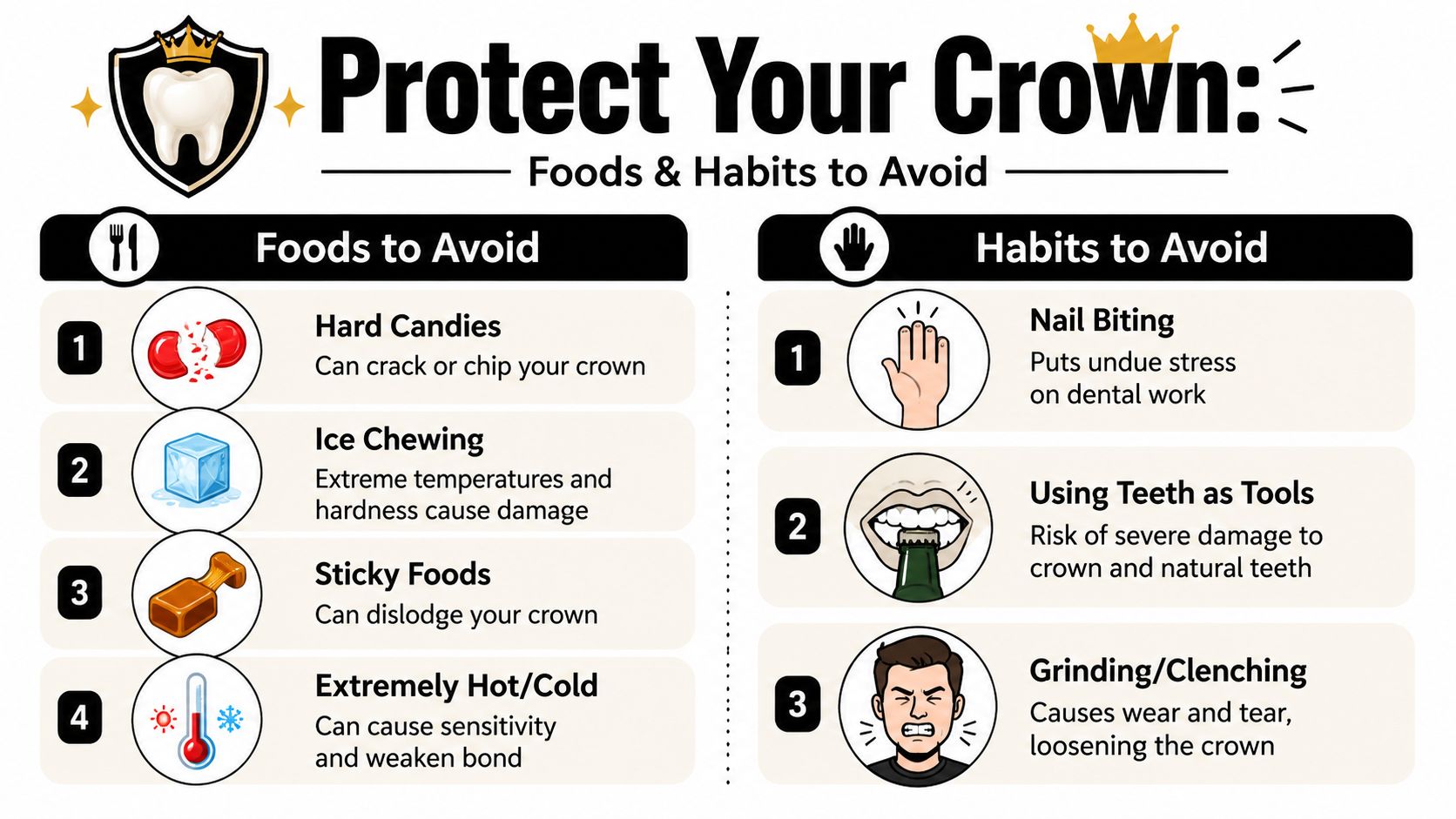
Some foods and habits create concentrated force. That force can chip porcelain, stress the cement, or trigger pain when biting.
- Hard candies can create a sudden impact if bitten instead of allowed to dissolve.
- Ice chewing is a frequent problem because the combination of hardness and temperature shift is hard on restorations.
- Nuts, popcorn kernels, and very hard crusts can catch a weak angle and create a fracture.
- Using teeth as tools to open packaging or hold objects is one of the fastest ways to damage a crown.
Patients searching for an emergency dentist after a fractured restoration often describe the same pattern. The crown didn't fail randomly. It was forced to do a job teeth were never meant to do.
What can loosen the bond
Not every problem is a crack. Some crowns loosen because repeated pulling or pressure stresses the bond over time.
- Sticky foods like caramel or taffy can tug at a crown, especially if the fit is already compromised.
- Nail biting places focused pressure on the front teeth and restorations.
- Jaw clenching and grinding create repeated force that can wear a crown down or make it feel off in the bite.
A useful way to think about this is simple. If a habit bends, pulls, twists, or slams force into the crown, it isn't harmless.
Small, repetitive strain is often more damaging than one careful meal with something crunchy.
Patients with nighttime grinding should take that seriously. A properly made night guard can protect not only crowns, but also veneers, natural enamel, and jaw joints. For busy adults in Miami who have invested in cosmetic or restorative dentistry, this is one of the most practical forms of prevention available.
Caring for Temporary Crowns and Managing Sensitivity
Temporary crowns and permanent crowns don't behave the same way. Patients often get into trouble when they treat a temporary like the final restoration and assume the same rules apply.
Temporary crowns need a gentler approach
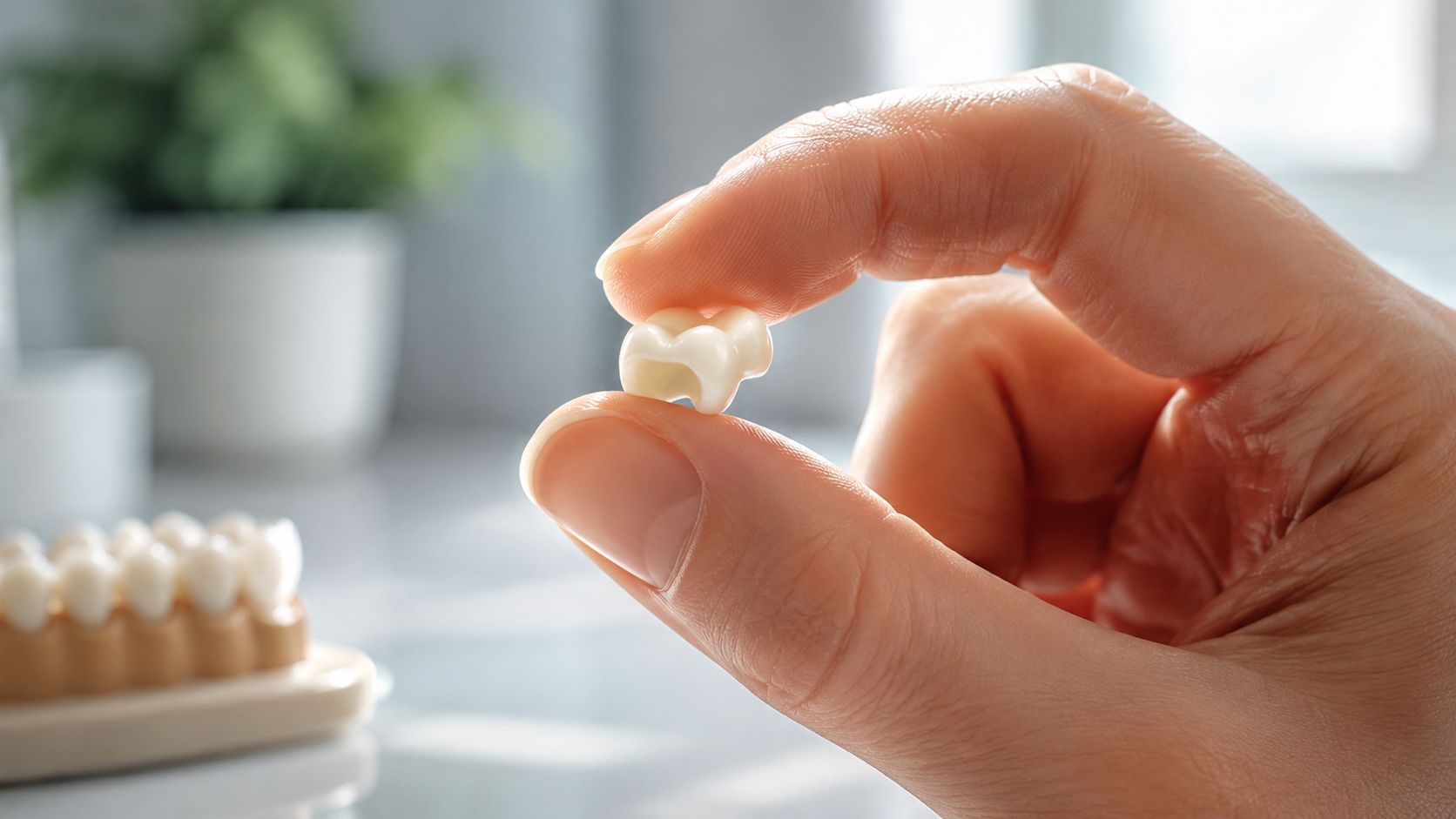
A temporary crown is there to protect the prepared tooth and maintain appearance and function until the permanent crown is delivered. It isn't designed for the same strength or long-term stability.
WebMD's overview of dental crowns notes that many patients hesitate to clean around new or temporary crowns because of sensitivity or fear of dislodging them, but proper cleaning is still essential because crown failure often relates to bacterial leakage and recurrent decay at the crown's edge. That's the balance patients need to understand. Be gentle, but don't stop cleaning.
A smart temporary-crown routine usually includes:
- Choose softer foods on that side less often. Temporary crowns can loosen with heavy chewing.
- Avoid sticky foods entirely. They can pull the temporary free.
- Brush normally, but with a light hand. The gums may be irritated from the procedure.
- Floss with extra care. If the area feels risky, move slowly and follow the office's instructions for that specific temporary.
Patients who lose a temporary crown shouldn't ignore it. The prepared tooth underneath is vulnerable, and the fit of the final crown can be affected if the temporary is left off too long.
Sensitivity after a permanent crown
Some sensitivity after placement can happen, especially with temperature changes or pressure during the early adjustment period. That doesn't automatically mean something is wrong. The tooth may be settling after preparation, the gum tissue may still be recovering, or the bite may need a minor refinement.
A few practical steps can help:
| Situation | What usually helps |
|---|---|
| Cold sensitivity | Use a desensitizing toothpaste and avoid extreme-temperature drinks for a short period |
| Soreness when chewing | Chew on the opposite side until the bite feels more comfortable |
| Gum tenderness | Keep brushing gently at the margin instead of avoiding the area |
This short video gives a helpful visual explanation of common crown concerns and care:
If sensitivity keeps intensifying instead of fading, that shifts from normal healing to something worth evaluating. A bite that's slightly high, a nerve that's irritated, or an issue at the margin can all create symptoms that won't improve on their own.
When to See Your Dentist About Your Crown
Crowns are durable, but they aren't maintenance-free. A PubMed-indexed study summary on crown survival reports 80% to 85% survival at 10 years, with materials like zirconia exceeding 95% survival at 10 years in some reports. That durability is encouraging, but the same evidence supports a practical reality. Material matters, and maintenance matters just as much.
Signs that need prompt attention
Patients shouldn't wait for severe pain before calling. A crown often gives smaller warnings first.
- A loose feeling can mean the cement seal is compromised.
- Pain when biting may point to a bite imbalance, a crack, or inflammation in the tooth underneath.
- A visible chip or rough edge can allow further damage and change how the bite lands.
- A bad odor or strange taste around one tooth can suggest trapped bacteria or leakage.
- Persistent sensitivity that doesn't improve deserves examination.
- Swelling or bleeding at the gumline can signal irritation, plaque buildup, or an issue with the crown margin.
Some of these problems are simple fixes. A minor bite adjustment or recementation may solve the issue quickly. Others need a closer look, especially if the crowned tooth had previous deep decay, a large filling, or root canal therapy.
Don't test a suspicious crown by chewing harder on it. That usually turns a manageable problem into a more expensive one.
Why early evaluation protects the tooth underneath
The crown itself is only part of the treatment. Under it sits a real tooth that can still develop decay, fracture, or nerve inflammation. That's why routine cleaning and exams, dental x-rays when indicated, and timely follow-up matter so much.
Patients searching for a dentist near me after a crown starts feeling “a little off often assume they can wait. That's risky. A crown that shifts slightly can trap bacteria at the edge. A crown with a bite problem can overload the tooth and surrounding joint. A dark line near the gumline, especially when paired with tenderness or food trapping, should be evaluated rather than watched casually.
For some patients, a crown problem also uncovers another need. A lingering toothache might require a root canal assessment. A non-restorable tooth might lead to a discussion about tooth extraction or dental implants near me. Early diagnosis gives more options and usually leads to a simpler solution.
Experience Exceptional Crown Care in Miami
Good crown care doesn't end with brushing. It also depends on who planned the treatment, how precisely the bite was adjusted, what materials were selected, and whether the patient has access to thoughtful follow-up when something feels unusual.
What patients should expect from follow-up care
Patients in Miami looking for a long-term dental home should expect more than a crown delivery appointment. They should expect careful monitoring of fit, gum response, bite pressure, and the surrounding teeth.
That's especially true for adults balancing cosmetic goals with restorative needs. A crown may be part of a larger treatment plan that includes whitening, Invisalign, fillings, implants, or night guards. In those cases, follow-up isn't a courtesy. It's part of protecting the investment and keeping the final result harmonious.
A strong crown experience usually includes:
- Precise checkups that look at the margin, bite, and gum health
- Comfort-focused visits for patients with dental anxiety
- Clear guidance on when symptoms are normal and when they aren't
- Access to complete care if the crown is tied to deeper restorative issues
Support for cosmetic and restorative dentistry
Patients researching dental crowns in Miami often want two things at the same time. They want the crown to look beautiful, and they want it to last. Those goals aren't separate. A well-designed restoration should support both.
For patients in Downtown Miami, Midtown Miami, and Hallandale Beach, the best results usually come from a practice that can handle the full picture. That includes preventive care, restorative dentistry, cosmetic dentistry, emergency visits, and long-term maintenance after treatment. It also helps when the office environment lowers stress, because anxious patients are more likely to delay care when something feels wrong.
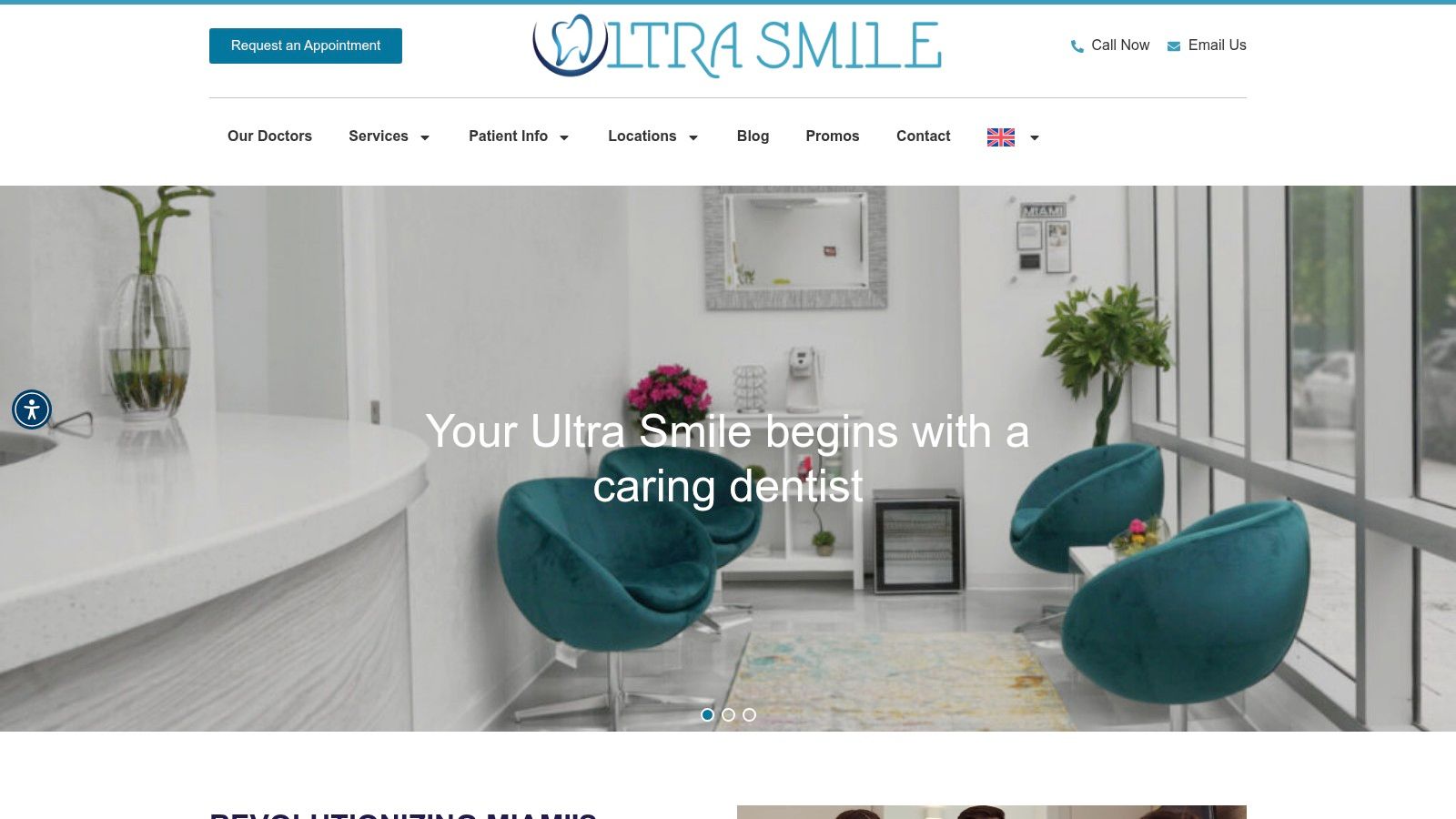
Dr. Neda Bahmadi and the team at Ultra Smile DentalSpa are known for combining meticulous dentistry with a calming, spa-like experience. Patients looking for a cosmetic dentist near me, a trusted dentist in Miami, FL, or support with crowns, implants, whitening, tooth extraction, and emergency dental care often want treatment that feels polished from start to finish. That combination of precision, comfort, and ongoing support is what helps crown work stay healthy and attractive over time.
If a crown feels sensitive, loose, rough, or not quite right, scheduling a professional evaluation is the safest next step. Ultra Smile DentalSpa provides complete crown care, cosmetic dentistry, restorative treatment, and gentle follow-up for patients across Miami.