A Miami patient often leaves the orthodontist's chair expecting a finished smile, then notices something unexpected in the mirror. Once the brackets disappear, chalky patches, mild yellowing, uneven color, or faint adhesive edges may become visible for the first time. The natural reaction is to search for teeth whitening after braces and book the fastest appointment available.
A careful dentist takes a different approach. The first question isn't how quickly the teeth can become brighter. It's whether the color difference comes from surface staining, enamel demineralization, adhesive, decay, or an existing restoration. For patients searching for a dentist near me or a cosmetic dentist near me in Miami, FL, that diagnostic step is what separates a predictable result from a brighter but more uneven smile.
Table of Contents
- What Your Teeth Look Like the Day Braces Come Off
- White Spots, Bonded Areas, and Other Things Bleaching Will Not Fix
- How Long to Wait Before Whitening After Braces
- In-Office Whitening vs At-Home Kits After Orthodontics
- Pre-Whitening Prep and Post-Whitening Care That Actually Works
- When to See a Dentist Before You Whiten at All
What Your Teeth Look Like the Day Braces Come Off
A recent debond patient may sit up in the chair, run a tongue across newly smooth teeth, and immediately ask about whitening. After months of brackets, wires, elastic ties, and careful cleaning, seeing the full tooth surface feels like the final reveal. In reality, the first view is often a temporary snapshot, not the right baseline for cosmetic treatment.
Bracket removal exposes areas that were hidden for much of orthodontic treatment. A patient may see mild yellowing on surfaces that were covered, chalky areas around former brackets, or a slightly different shade between neighboring teeth. The adhesive removal process can also leave the enamel and surrounding tissues sensitive, while dehydration can make color look less even than it will after the mouth settles.
Why the first mirror check can mislead
A dentist's instinct after debonding should be to inspect, clean, document, and wait when appropriate. The teeth seen immediately after removal aren't necessarily the teeth that will be whitened later. Plaque, residual adhesive, irritated gums, enamel dehydration, and early white-spot changes can all distort the apparent starting shade.
That's why the practical mindset should shift from "whiten now" to "let the mouth settle, assess the enamel, then whiten." A professional cleaning can remove surface deposits that no bleaching product needs to treat. An examination can also identify areas that require fluoride support, remineralization, restorative care, or observation before cosmetic treatment begins.
Practical rule: A brighter smile starts with an accurate diagnosis, not the strongest available whitening gel.
What a Miami patient should do first
The first appointment after braces should focus on oral health and a clean baseline. A dentist may evaluate:
- Enamel surfaces: The clinician looks for chalky patches, rough areas, cracks, or signs of demineralization.
- Gum tissue: Mild inflammation after orthodontics can make bleaching uncomfortable and less predictable.
- Residual adhesive: Bonding material can resemble discoloration but won't respond to peroxide.
- Overall shade: Baseline photographs and shade documentation help distinguish true whitening from changes caused by cleaning or rehydration.
Patients who enjoy researching smile-care habits can also try Skin Perfection's teeth tip for general ideas about maintaining a brighter-looking smile. That type of routine can support daily care, but it can't replace an examination when color changes appear after braces.
The short pause after debonding isn't a missed opportunity. It gives the dentist a clearer view of the enamel and gives the patient a better chance of achieving an even cosmetic result.
White Spots, Bonded Areas, and Other Things Bleaching Will Not Fix
A patient can leave the orthodontist with clean, straight teeth and still see chalky patches, darker edges, or uneven color. The first decision is diagnostic: determine whether the mark is surface staining, enamel demineralization, or dental work before treating it as a whitening problem.
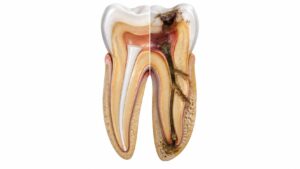
White-spot lesions, often called WSLs, are chalky areas caused by enamel demineralization. They commonly develop around brackets where plaque is harder to remove and can remain visible after the appliances come off. A meta-analysis of 14 studies involving 2,041 orthodontic patients found that 935 patients developed at least one new WSL during treatment, an incidence of 45.8%. In studies measuring overall prevalence, WSLs appeared in 850 of 1,242 patients, equivalent to 68.4% (evidence on white-spot lesions after orthodontic treatment).
Reading the difference between a stain and enamel change
A surface stain may improve with professional cleaning and, when the enamel is healthy, whitening. Demineralized enamel behaves differently. Its altered structure can make peroxide brighten the surrounding enamel while the porous patch remains visible. Whitening may therefore increase contrast rather than create an even shade.
Brown, rough, or sensitive areas need a dental assessment before bleaching. Demineralization can progress to cavitated caries, so the clinician must determine whether the mark is surface pigment, a WSL, active decay, or a developmental enamel defect. Treatment may involve monitoring, fluoride support, remineralization, or restorative care rather than stronger peroxide.
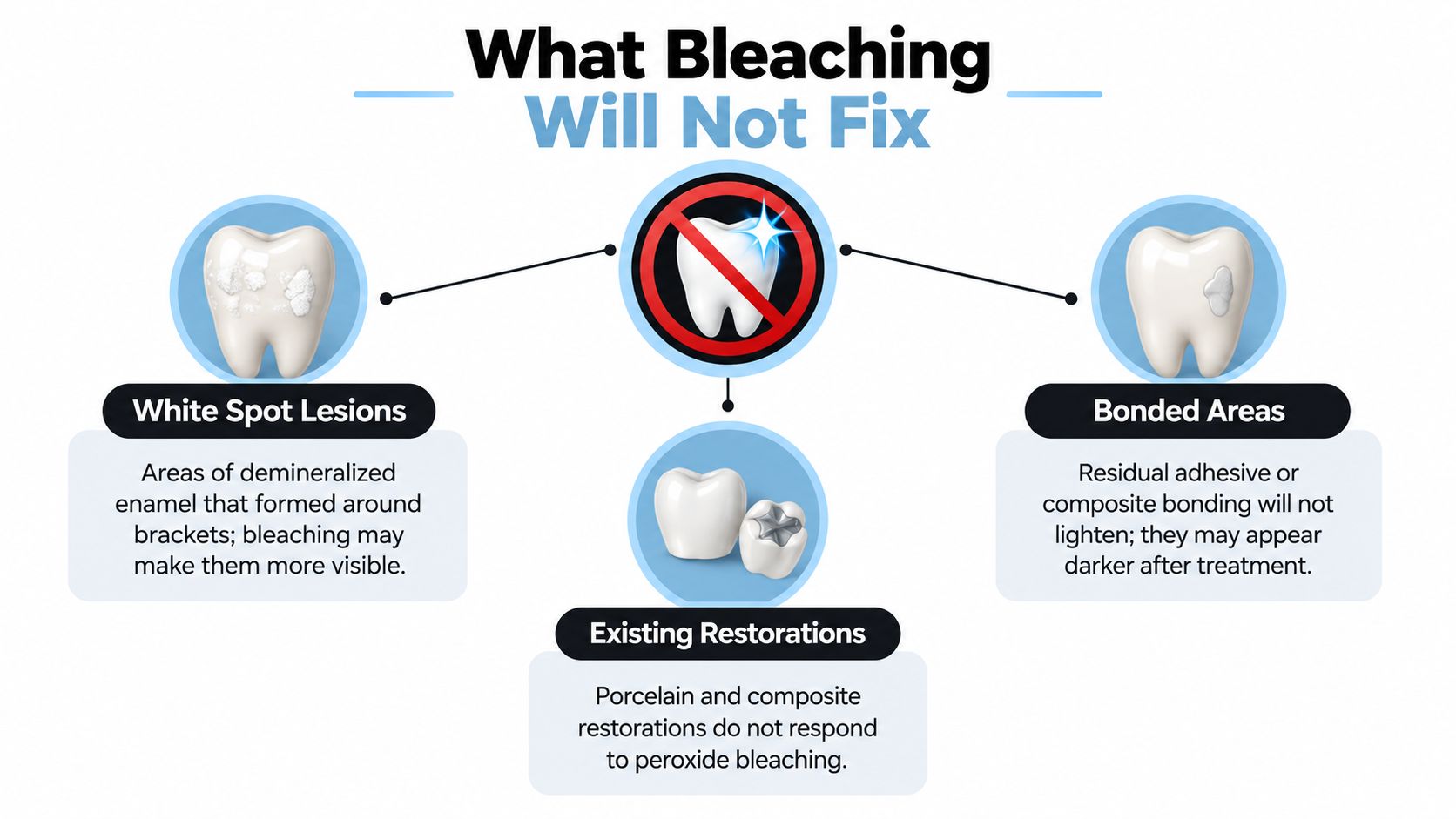
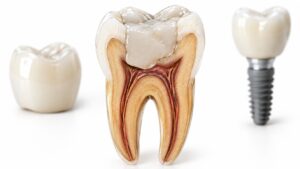
Bonded materials create another color limitation. Composite attachments, residual resin, fillings, crowns, veneers, and other tooth-colored restorations do not lighten with peroxide. Natural enamel may become brighter while the restoration stays the same shade, making the mismatch more noticeable. Patients with restorations can review how bonded teeth respond to whitening before treatment, while recognizing that only an examination can identify the material and its likely response.
| What the patient sees | What it may represent | What whitening can do |
|---|---|---|
| Yellow or brown film | Surface staining or plaque deposits | May improve after cleaning and appropriate whitening |
| Chalky white patch | Demineralized enamel or WSL | Won't reliably repair the enamel and may look more contrasted |
| Sharp edge near a former bracket | Adhesive or composite | Won't bleach and may require finishing or restorative review |
| Different shade around a filling or crown | Existing restoration | Natural tooth may lighten while the restoration does not |
Bleaching changes tooth color, not enamel structure. That distinction should guide the timing and method of treatment after braces.
How Long to Wait Before Whitening After Braces
Whitening should generally follow bracket removal, not occur while fixed appliances remain attached. Bleaching around brackets can produce uneven color because exposed enamel receives the product more readily than the enamel beneath the brackets. Laboratory evidence also found reduced binding force between orthodontic appliances and enamel after both office and home whitening, which creates another reason to avoid premature treatment (review of whitening during orthodontic treatment).
A systematic review supports waiting at least 30 days after fixed braces are removed before whitening, although it describes the evidence as low quality and doesn't establish one universal interval (systematic review of whitening after fixed orthodontics). Orthodontist survey data points to a broader practical window. Fifty percent of respondents recommended waiting 1 to 3 months, while 39.6% recommended waiting longer than 3 months (orthodontist survey on post-treatment whitening).
A practical recovery sequence
During the first month, the priority is recovery and assessment. The dentist can remove plaque and surface deposits, evaluate gum inflammation, inspect WSLs, and document the initial shade. If the enamel looks porous or the patient reports sensitivity, fluoride or remineralization support may take priority over bleaching.
Around the 1 to 3 month window, many patients are ready for a more reliable cosmetic decision. The gums have had time to settle, daily plaque control is easier without brackets, and the dentist can judge whether uneven color is improving naturally or needs targeted care.
After the evaluation, the whitening method can be selected. Some patients may be appropriate for supervised in-office treatment. Others may benefit from fitted take-home trays used gradually, especially when sensitivity or uneven enamel requires tighter control.
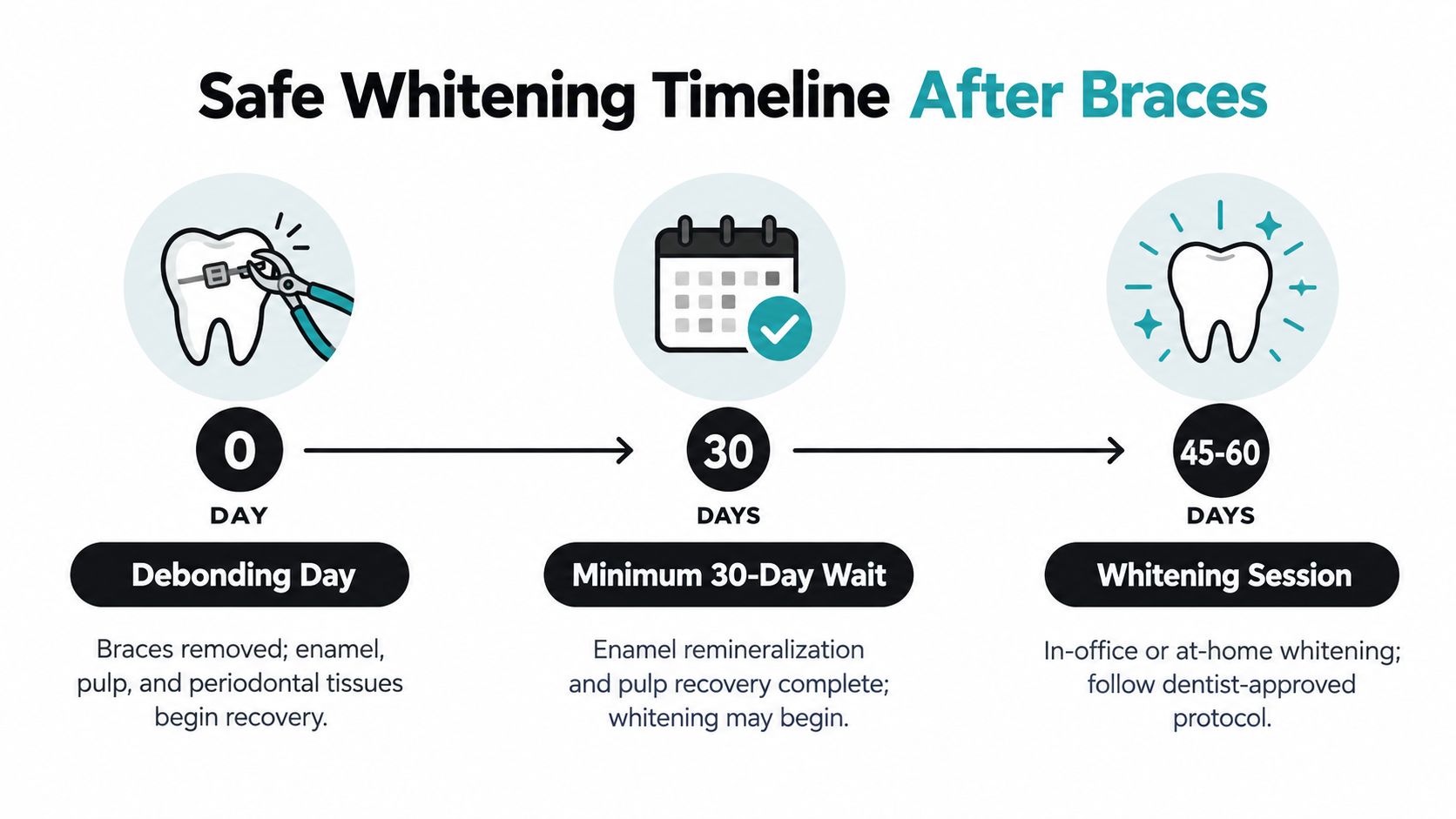
Same-day whitening may satisfy urgency, but it can blur the distinction between temporary post-debond changes and an underlying enamel problem. It can also expose recently irritated gums and sensitive teeth to unnecessary discomfort. A few additional weeks often make the cosmetic plan more efficient because the dentist is less likely to whiten before cleaning, stabilization, or lesion management.
A Miami patient can keep the schedule simple: book the cleaning and exam first, schedule the whitening consultation second, and begin whitening only after the dentist confirms that the enamel and gums are ready.
In-Office Whitening vs At-Home Kits After Orthodontics
Once the examination is complete, most patients are choosing between two controlled approaches. In-office whitening concentrates the treatment into a supervised visit, while dentist-provided take-home trays spread the process over a longer routine. Neither option can repair WSLs, adhesive, fillings, crowns, or veneers, so the enamel assessment still determines whether either method is appropriate.
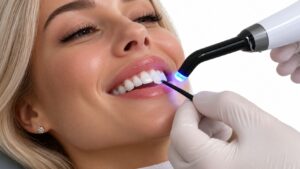
In-office treatment offers speed and direct control. The dentist protects the gums, applies the whitening agent to suitable tooth surfaces, and monitors sensitivity during the visit. Ultra Smile DentalSpa offers a Boost in-office treatment using 40% hydrogen peroxide gel, with noticeable results in approximately 40 minutes, subject to a dentist's assessment of oral health and restorations.
Take-home treatment uses fitted trays and professional-grade gel under dental supervision. The lower, controlled exposure can be useful for patients who want to adjust the pace, manage sensitivity, or refine the shade gradually. Patients can review how to approach enamel-safe whitening before discussing the options with a dentist.
Side-by-side decision matrix
| Factor | In-Office Whitening | At-Home Trays |
|---|---|---|
| Peroxide approach | Higher-concentration gel applied and monitored by the dental team | Professional-grade gel used in fitted trays according to dental instructions |
| Time to visible change | Noticeable change during one supervised visit | Gradual change over repeated applications |
| Sensitivity profile | Sensitivity may be more noticeable because treatment is concentrated | The pace can be adjusted or paused if teeth react |
| Gum protection | Clinician places protection and controls exposure directly | Tray fit and careful gel placement reduce contact with the gums |
| Best fit | Patients with a near-term event who have healthy, stable enamel | Patients who prefer flexibility or need a slower approach |
| Miami cost | Varies by practice, treatment complexity, and whether follow-up is needed | Varies by tray fabrication, gel, supervision, and maintenance |
| After braces | Appropriate only after lesion, restoration, and sensitivity review | Useful when gradual control matters more than a single visit |
A wedding in three weeks creates pressure, but it doesn't override enamel health. If the teeth have multiple WSLs or lingering sensitivity, a slower supervised plan may produce a more comfortable and honest result than forcing a rapid shade change. Patients with intact enamel and a short deadline may prefer in-office treatment, while patients who want control over sensitivity may favor trays.
A complimentary yearly whitening program, when available through a practice, can affect the maintenance decision, but the patient should confirm eligibility and timing directly with the office. The central question remains clinical: which method can brighten healthy natural enamel without making untreated differences more obvious?
Pre-Whitening Prep and Post-Whitening Care That Actually Works
Preparation improves both comfort and the usefulness of the final shade comparison. A patient who arrives with plaque deposits, irritated gums, or undocumented white spots makes it harder to judge whether whitening produced an even result.
Before treatment
A practical preparation routine includes:
- Schedule a professional cleaning: Remove plaque and surface staining before shade selection.
- Document the starting shade: Photograph the smile in consistent lighting, including bonded edges and WSLs.
- Use desensitizing toothpaste: Begin a dentist-approved desensitizing toothpaste about two weeks before treatment when sensitivity is a concern.
- Report symptoms: Mention cold sensitivity, gum recession, sharp areas, or discomfort around former bracket sites.
- Follow the dentist's plan: Don't add strips, extra gel, or longer wear time without professional approval.
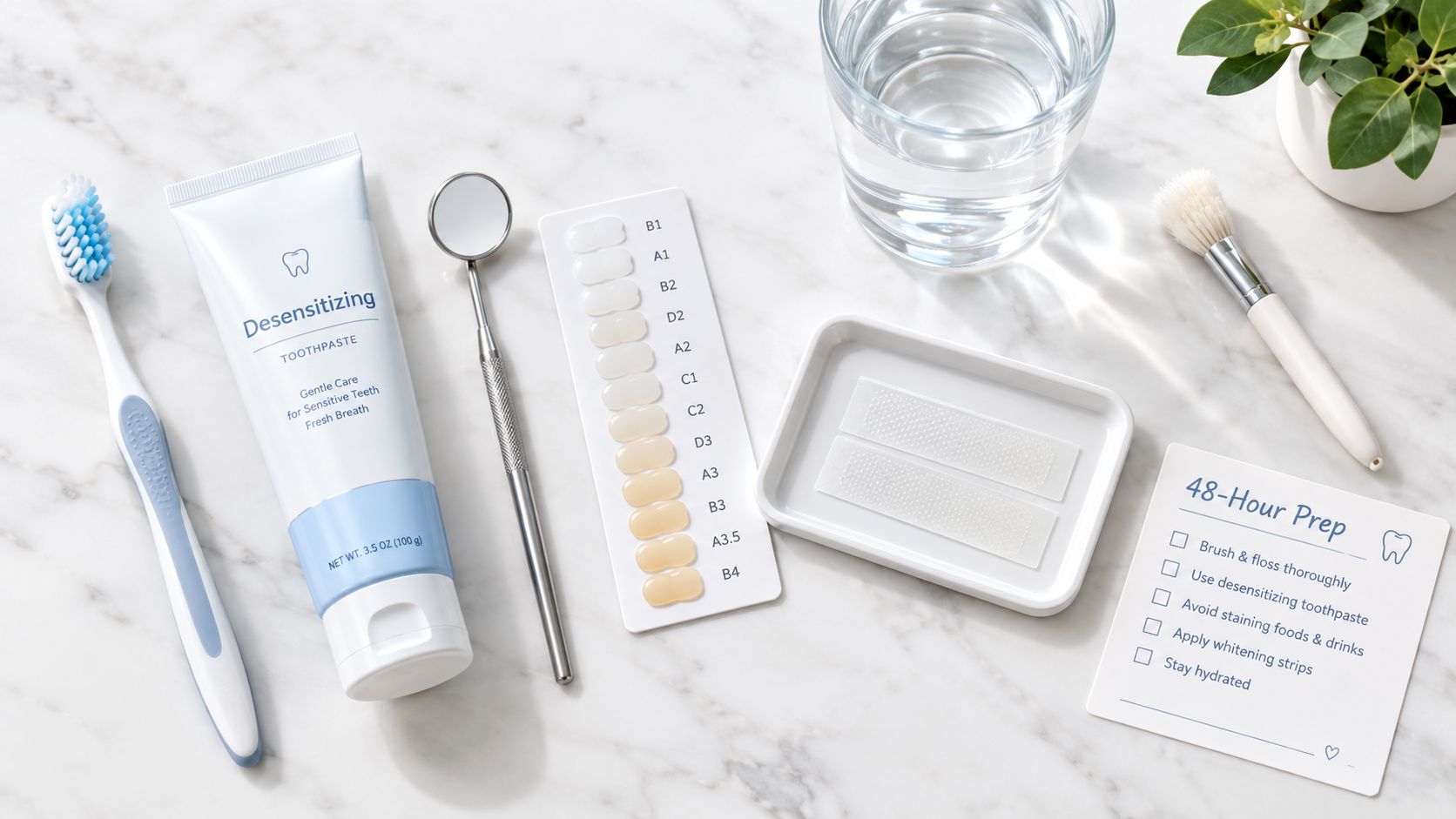
The clinically defensible order is examination and cleaning, baseline shade and WSL inspection, disease control, then supervised bleaching. The American Dental Association's whitening guidance notes that sensitivity and gingival irritation are common temporary effects, while aggressive bleaching may alter enamel microhardness.
After treatment
The first 24 to 48 hours deserve extra care because freshly whitened teeth can pick up pigment more readily. Room-temperature, lighter-colored foods are sensible choices, while coffee, red wine, dark berries, tobacco, and strongly pigmented sauces are better avoided during that early period.
Cold sensitivity often peaks and fades rather than indicating permanent damage. Fluoride products, remineralizing paste, shorter sessions, and a pause between applications can help. Increasing peroxide concentration or exposure time is not a reliable solution for discomfort.
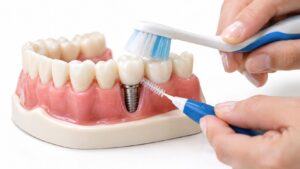
Patients interested in traditional oral-care tools can read this guide to natural chew sticks, but a chew stick should complement, not replace, brushing, interdental cleaning, fluoride use, and professional follow-up. A dentist should be contacted if the gums look burned or whitened, if pain persists, or if sharp sensitivity continues rather than settling.
When to See a Dentist Before You Whiten at All
A pre-whitening visit becomes especially important when the smile has visible changes that bleaching may not correct. Anyone with chalky patches after debonding, lingering sensitivity, gum recession, or stained-looking bonded edges should be examined before using peroxide.
The same applies to anyone still within the first month after braces removal. That period is better used for cleaning, tissue recovery, shade documentation, and enamel assessment than for an automatic whitening appointment. A patient considering whitening while wearing fixed braces should also wait for orthodontic treatment to end because brackets can block the bleaching agent and create irregular color.
A checklist for the next Miami dental visit
Bring these questions and observations to a new-patient exam:
- Visible white spots: Ask whether the areas represent demineralized enamel, active decay, or surface variation.
- Sensitivity history: Mention cold sensitivity, painful teeth, gum recession, or discomfort during orthodontic treatment.
- Bonded edges: Ask whether the marks are adhesive, composite, staining, or enamel changes.
- Existing restorations: Confirm which fillings, crowns, veneers, or composite materials will not change shade.
- Timing: Tell the dentist when the brackets were removed and whether a retainer has already been fitted.
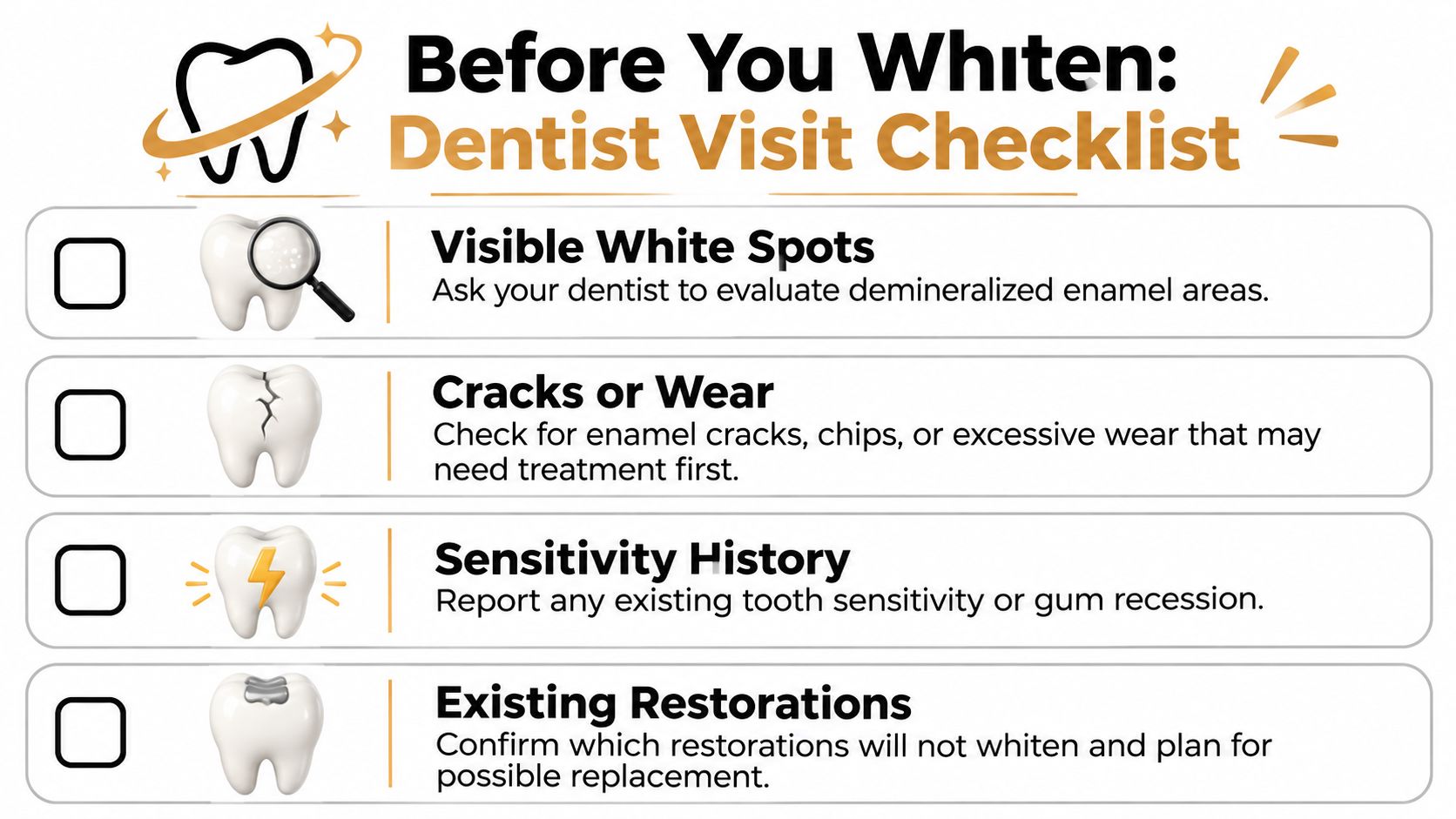
A Miami new-patient visit may include an examination, dental X-rays when clinically indicated, cleaning recommendations, shade documentation, and a review of cosmetic and restorative needs. That appointment carries the most weight because it determines whether the patient needs whitening, enamel management, restorative dentistry, or a combination of approaches.
The same practice can also evaluate related concerns, from a painful tooth requiring an emergency dentist assessment to a damaged tooth that may eventually need tooth extraction and dental implants near me planning. Those services belong in the broader care plan when disease or structural damage makes cosmetic treatment unsafe.
Ultra Smile DentalSpa provides professional teeth whitening, dentist-supervised take-home options, examinations, cleanings, restorations, and implant-related care for patients in Downtown Miami, Midtown Miami, and Hallandale Beach. Patients who have recently completed braces can visit Ultra Smile DentalSpa to schedule an evaluation and discuss a whitening plan based on enamel condition, sensitivity, restorations, and the desired timing.