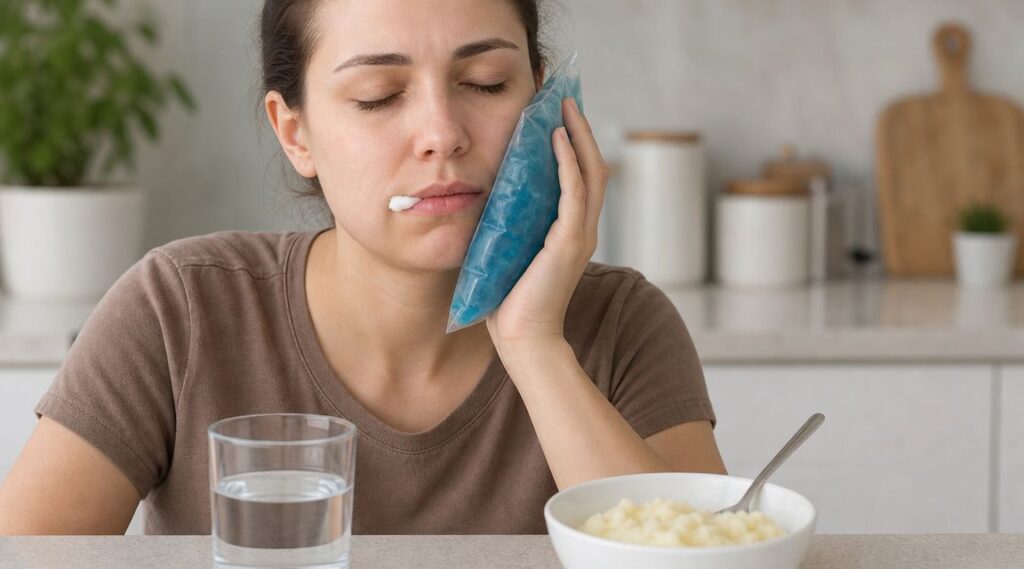
If a tooth was just removed, the first questions are usually simple and urgent. Is this amount of bleeding normal? When can brushing start again? What should dinner look like tonight? Patients across Downtown Miami, Midtown Miami, and Hallandale Beach often ask the same thing in different words: what to do after having a tooth extracted so healing feels calm, not stressful.
Good aftercare matters because the most common problems after an extraction are pain, bleeding, bruising, swelling, and infection, and swelling usually settles within 3 to 7 days according to StatPearls. That's why the hours and days after treatment deserve just as much attention as the procedure itself. A smooth recovery usually comes down to a few practical choices, repeated consistently.
For patients looking for a dentist in Miami, FL, especially those dealing with discomfort after a tooth extraction or needing an emergency dentist, comfort matters too. Recovery goes better when the plan is clear, the environment feels steady, and each step supports rest, cleanliness, and clot protection. That comfort-first mindset is a big part of modern dental care, whether someone is healing from a simple extraction or preparing for dental implants near me after a missing tooth.
Table of Contents
- Your Guide to a Smooth Recovery After Tooth Extraction in Miami
- The First 24 Hours Your Critical Healing Window
- Daily Care and Diet for the First Week
- Managing Pain Swelling and Other Symptoms
- Resuming Normal Life and Activities After Extraction
- Your Partner for Emergency and Restorative Dentistry in Miami
Your Guide to a Smooth Recovery After Tooth Extraction in Miami
A lot of patients leave an extraction appointment feeling relieved that the tooth is out, then uneasy once they get home. The numbness fades. The site starts to feel tender. A small amount of oozing on the gauze can look more dramatic than it really is. That moment is where clear guidance makes the biggest difference.
The practical goal is comfort with control. A healing mouth doesn't need constant checking, aggressive cleaning, or “toughing it out. It needs protection, a clean routine, and patience. In a city like Miami, where people often try to get back to work, social plans, and errands quickly, the temptation is to rush. That usually works against healing.
Why recovery instructions matter
The extraction site is a surgical wound. The body responds by forming a clot, reducing bleeding, and beginning tissue repair. If that early healing is disturbed, recovery can become more painful and slower than it needs to be.
Practical rule: The best aftercare is usually the gentlest aftercare. Most setbacks happen when patients do too much, too soon.
This is especially important for patients who searched for a dentist near me because of pain, infection, or a broken tooth and needed same-day care. Emergency treatment solves the immediate problem. Aftercare protects the result.
A comfort-focused recovery mindset
A spa-like recovery approach isn't about luxury for its own sake. It means creating conditions that let the body settle. Quiet rest. Cool compresses. Soft foods. Minimal irritation. Clean but gentle oral hygiene. Those choices reduce friction during healing.
A few habits help immediately:
- Set up one recovery space: Keep gauze, water, prescribed medications, and an extra pillow in one place.
- Eat for comfort, not variety: Soft, cool foods are easier than trying to “test the area.
- Keep the site undisturbed: Tongue-checking, poking, and frequent mirror inspections usually cause more worry than benefit.
For anyone recovering after treatment in Miami, this is the core idea. Healing should feel supported, not hectic.
The First 24 Hours Your Critical Healing Window
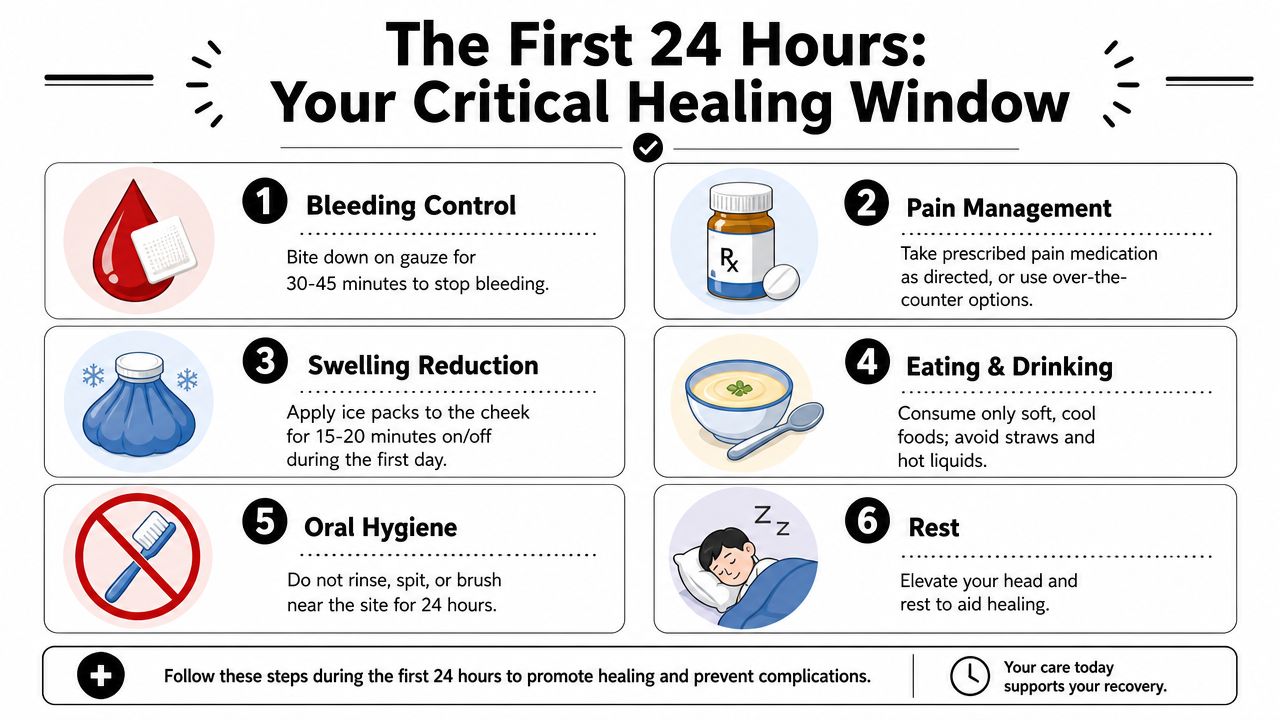
You get home, the numbness starts to wear off, and the area can feel strange before it feels sore. That first day sets the tone for the rest of healing. The goal is to keep the blood clot stable so the site can seal, settle, and start repairing without extra irritation.
Protect the area and keep the body quiet
I tell patients to treat the first evening like a recovery reset. Keep the mouth still. Keep the body calm. Give the extraction site a clean, undisturbed environment to do its early work.
A comfort-focused setup helps. Settle into one spot at home with your gauze, prescribed medication, water, lip balm, and an extra pillow nearby. In Miami, where people often want to get back out quickly, this is the part that takes discipline. Rest now usually means less trouble later.
During the first 24 hours:
- Bite on gauze as directed: Firm pressure helps control bleeding.
- Keep your head slightly raised: This can reduce throbbing and limit oozing.
- Use a cold pack on the outside of the face: Short intervals can make the area feel more manageable.
- Eat only if you feel ready: Choose cool, soft foods that do not require much chewing.
- Take medication on schedule: It is easier to stay ahead of discomfort than to chase it once it builds.
The extraction site usually looks less dramatic than it feels. Light oozing mixed with saliva can be normal on the first day, and mild swelling often starts to build later rather than immediately. The University of Wisconsin School of Dentistry and Oral Surgery notes that patients should avoid rinsing, spitting, smoking, drinking through a straw, and disturbing the area during this early period because those actions can dislodge the clot in its post-operative instructions for dental extractions.
Build a recovery space that feels calm
A good first-night routine should feel more like quiet recovery than sick-day chaos. Lower the lights. Use a clean pillowcase. Choose a smoothie bowl eaten with a spoon instead of anything hot, crunchy, or messy. Small choices like that make the first night easier.
What I want patients to avoid is just as important:
- No rinsing or forceful swishing
- No spitting
- No straws
- No smoking or vaping
- No exercise or heavy lifting
- No brushing directly over the socket
- No pulling the cheek back to keep checking the site
Each of those can disturb the clot or increase bleeding. If you leave the area alone, the body usually handles this stage well.
One more practical point. Some soreness can increase after the anesthetic fully wears off, and that alone does not mean something is wrong. Patients recovering from wisdom tooth treatment can find more detail in this guide on healing after wisdom teeth extraction. If bleeding stays heavy, pain becomes severe and unmanageable, or you develop swelling that feels excessive, call your dentist promptly.
Daily Care and Diet for the First Week
By day two, many patients in Miami tell me the same thing. The sharp anxiety starts to settle, but the mouth still feels tender, food feels awkward, and they are unsure how much normal routine to bring back. That is the right mindset for this stage. The goal for the rest of the week is not to test the area. It is to keep healing quiet, clean, and comfortable.

Clean the mouth gently
After the first 24 hours, oral surgery aftercare instructions commonly advise gentle warm salt-water rinses a few times a day, especially after meals, and normal brushing everywhere except the extraction site, as described in this aftercare overview for tooth extractions.
Cleanliness helps comfort. Aggressive cleaning does the opposite.
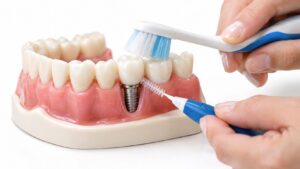
I tell patients to treat the area the way you would treat sore skin after a cosmetic procedure. Keep it fresh. Do not scrub it. Let the rinse bathe the area softly, then let it fall out of the mouth without force. Brush the other teeth well, because a coated tongue and unbrushed gums can make the whole mouth feel worse even if the socket itself is healing normally.
A steady routine works well:
- Rinse gently after eating: Use warm salt water and let it move lightly around the mouth.
- Brush the rest of the mouth thoroughly: Teeth, tongue, and gumline still need daily care.
- Keep the brush off the socket: Close is fine. Direct contact is irritating.
- Leave the site alone: Tongue checking and finger checking slow comfort more than patients expect.
Comfort note: A mouth that feels clean usually feels calmer too.
For a quick visual explanation, this video can help reinforce the routine patients should follow at home.
Choose foods that soothe and nourish
The first week usually goes better when meals feel more like recovery care than regular eating. Choose foods that are soft, easy to manage, and soothing to the area. In a dental spa setting, we talk about comfort as part of healing. That includes what goes on your plate.
A simple progression is usually enough:
| Stage | Better choices | Foods to avoid |
|---|---|---|
| Early days | yogurt, applesauce, mashed potatoes, smoothies from a cup | chips, nuts, crusty bread |
| Midweek | scrambled eggs, soft pasta, oatmeal, soup once comfortable | spicy foods, hard tacos, sticky candy |
| As tolerated | soft proteins and easy-to-chew meals | anything that requires strong chewing near the site |
Temperature matters too. Cool or lukewarm foods often feel better early in the week, while very hot foods can irritate a tender area. Texture matters just as much. Foods with seeds, crumbs, sharp edges, or heavy chew resistance tend to create more irritation than satisfaction.
Patients often try to return to normal meals too soon because hunger comes back before the tissue is ready. That is a common setback. If a food leaves debris behind, makes you chew on the extraction side, or causes a sudden sting, save it for later.
By the end of the week, many people can widen their choices, but comfort should guide the pace. If eating is becoming more painful instead of easier, or if bad taste, worsening tenderness, or new swelling shows up, call your dentist and have the area checked.
Managing Pain Swelling and Other Symptoms
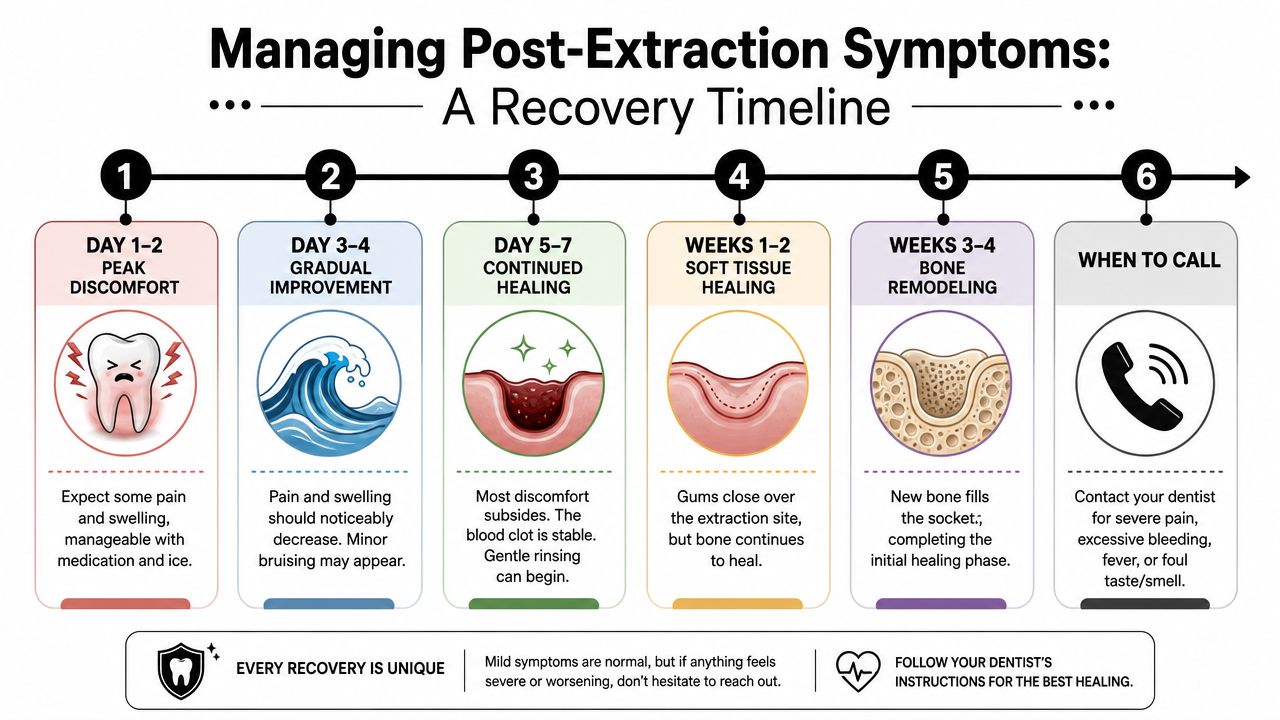
The middle part of recovery can feel confusing. The bleeding has usually settled, but the area may still ache, look puffy, or feel tight when you talk or yawn. That does not automatically mean something is wrong. In many cases, it means the tissue is still calming down.
What usually feels normal
A sore jaw, mild swelling, bruising, and tenderness around the site are all common after an extraction. The American Dental Association notes that some swelling and discomfort are expected after oral surgery, and cold therapy during the early phase can help limit both, as described in its guidance on wisdom teeth removal recovery. Even if your extraction was not a wisdom tooth, the same comfort principle applies. Keep the area calm, keep your body rested, and avoid anything that stirs up throbbing.
At this stage, I usually tell patients to judge symptoms by direction, not just by presence. Healing symptoms should gradually soften. You may still feel tender, but the trend should be toward easier eating, easier talking, and less swelling each day.
A useful way to sort what you are feeling:
- Usually expected: soreness, mild swelling, bruising, jaw stiffness, tenderness when chewing nearby
- Watch closely: pain that stops improving, swelling that feels fuller instead of smaller, a bad taste that keeps returning
- Call the office: fever, pus, trouble swallowing, or pain that becomes intense and does not settle with the medication plan you were given
Comfort-first ways to settle symptoms
Recovery goes better when you treat it like protected downtime. Use cold compresses on the cheek during the early period if swelling is active. Rest with your head slightly raised. Keep your routine quiet for a day or two if your body is telling you the area is still reactive.
Pain control works best when it is steady and planned, not delayed until the site is already throbbing. MedlinePlus advises patients to use prescribed or dentist-approved pain medicine as directed after extraction and to contact the dentist if pain increases rather than fades, in its tooth removal aftercare instructions. In practice, that often means staying ahead of discomfort, drinking enough fluids, and making your environment restful enough that your jaw is not being overused all day.
Small comfort choices matter in Miami, too. Heat, long errands, and dehydration can leave the area feeling more swollen and irritated. A cool room, soft foods, light activity, and extra rest usually feel much better than trying to push through a normal schedule too soon.
When symptoms need a call
Dry socket and infection tend to announce themselves by getting worse, not better. The Mayo Clinic describes dry socket as pain that can become severe a few days after a tooth removal and may come with bad breath or an unpleasant taste, in its overview of dry socket symptoms and causes. That pattern is very different from ordinary soreness that slowly eases.
Call your dentist if the recovery path changes in the wrong direction. I want patients to check in if pain suddenly sharpens, swelling starts spreading, drainage appears, or they feel feverish and unwell. After a difficult extraction, multiple removals, or wisdom tooth surgery, there can be more tenderness for longer, but you still should not be left guessing whether what you feel is normal.
Resuming Normal Life and Activities After Extraction
You may feel well enough to answer emails, run a quick errand, or get back to your normal pace before the extraction site is ready for it. That mismatch is common. The mouth often needs a little more quiet time than the rest of you does.
In a comfort-focused recovery, the goal is not to rush back on the first day you feel restless. The goal is to return to daily life without stirring up bleeding, throbbing, or swelling. I tell patients to ease back in the same way you would settle in after any procedure. Keep the day calm, stay cool, and let your body set the pace.
Work exercise and errands
After an extraction, strenuous activity should wait until the site feels stable and calm. Oral surgery instructions for multiple extractions note that heavy exertion can interfere with healing because it increases blood flow and can restart bleeding, as explained in these post-operative instructions for multiple extractions.
Desk work is often easier to resume than workouts, outdoor chores, or anything that raises your heart rate for long stretches. In Miami, heat and humidity can make that difference more noticeable. A short, easy walk indoors is one thing. A gym session, a long run, or lifting heavy boxes is a different level of stress on the body.
If you had a simple extraction and feel comfortable, quiet daily tasks may be fine sooner. If you had multiple teeth removed, a surgical extraction, or a difficult wisdom tooth procedure, give yourself more room to recover.
Use comfort as your guide
The best return-to-routine plan is usually simple. If an activity makes the area pulse, ache, or feel fuller, scale back. Healing tends to go better when you listen early instead of testing your limits.
These signs usually mean you should keep the day light:
- Ongoing oozing, even if it seems minor
- Throbbing with movement or bending
- Swelling that still feels active
- Fatigue after simple tasks
- Several extraction sites healing at once
Patients often do well with a gradual return. Start with indoor tasks, short drives, computer work, and light movement. Save intense exercise, long days out, and packed schedules for when your mouth feels quiet again.
If your extraction is part of a larger treatment plan, it also helps to understand what healing may look like before replacement options. This guide to dental implants and bone grafts healing after extraction can help you plan the next stage without guessing.
A gentle recovery is still productive recovery. Rest, hydration, a cool environment, and a lighter schedule often get patients back to normal faster than pushing too hard too soon.
Your Partner for Emergency and Restorative Dentistry in Miami
An extraction is often the start of solving a larger problem. Sometimes that problem is infection or severe pain. Sometimes it's a broken tooth that can't be restored. Sometimes it's creating space for a healthier long-term plan.
After extraction comes the next phase
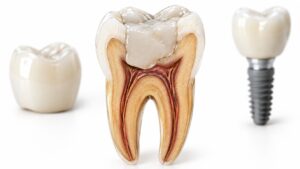
For many patients, the next conversation is about replacement and rebuilding. A missing tooth can affect chewing, bite balance, and appearance, especially in visible areas of the smile. That's why patients searching for dental implants near me, cosmetic dentist near me, or restorative dental care often need guidance soon after healing begins.
One option for patients in Miami is Ultra Smile DentalSpa, which provides extractions, wisdom teeth care, restorative dentistry, cosmetic dentistry, and follow-up planning in a comfort-focused setting. Patients who are considering replacement after healing can review this page on dental implants and bone grafts healing.
What patients can expect in Miami
When aftercare is handled well, the recovery period becomes much more manageable. Patients usually need clear instructions, responsive support if something feels off, and a plan for what comes next. That might include routine dental care, cleaning and exams, dental x-rays, a new patient exam, or a restorative consultation once the extraction site has matured.
A good dental experience also helps reduce the anxiety that often surrounds oral surgery. For many adults in Downtown Miami, Midtown Miami, and Hallandale Beach, the right office isn't just about treatment. It's about feeling looked after before, during, and after care.
If a tooth was recently removed and the site doesn't seem to be healing comfortably, or if it's time to discuss replacement options like implants or other restorative care, patients can contact Ultra Smile DentalSpa to schedule an appointment or consultation in Miami.