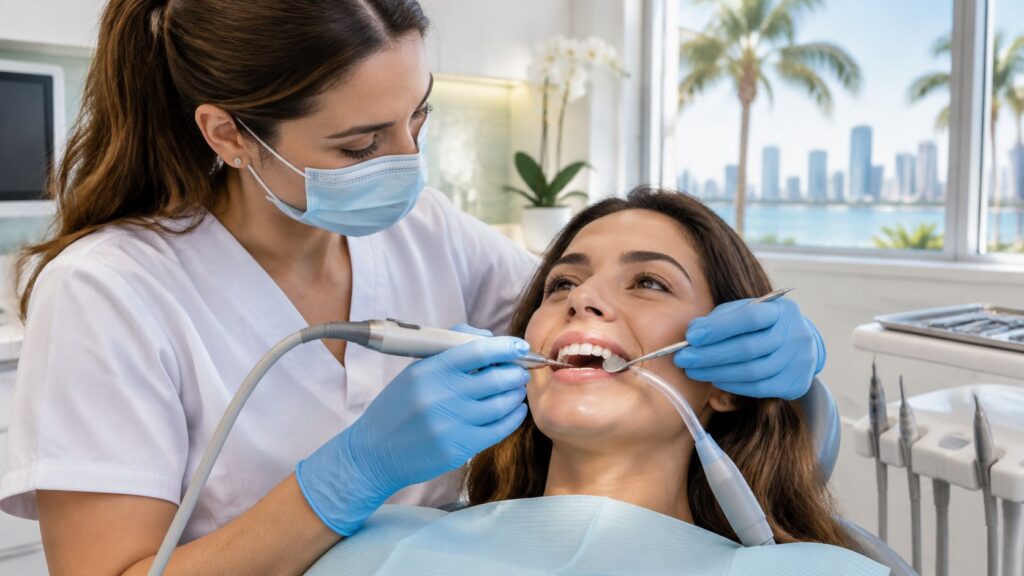
Sitting in a dental waiting room after a long gap between checkups brings out the same quiet questions for almost everyone. Will the scraping hurt? Are the gums going to bleed? Will a simple visit turn into a lecture or an unexpected procedure? Knowing what happens during dental cleaning before sitting in the chair removes most of that guesswork and turns an uncertain appointment into a predictable routine.
Many adults searching for a dentist near me put off routine cleaning and exams because no one ever walked them through the actual visit in plain English. Gums start feeling tender when flossing, a rough edge builds behind the lower front teeth, or cold coffee triggers a sharp zing. Waiting rarely makes those small signals disappear.
For patients looking for a trusted dentist in Miami, FL, Ultra Smile DentalSpa serves Downtown Miami, Midtown Miami, and Hallandale Beach with preventive dental care designed around clinical precision and calm, transparent communication. Led by Dr. Neda Bahmadi, DMD, the practice pairs thorough new patient exams and hygiene visits with a spa-like setting so every step makes sense from the moment you check in.
Table of Contents
- Why a Dental Cleaning Matters Beyond a Polish
- The Steps of a Routine Dental Cleaning, From Check-In to Fluoride
- How Long a Cleaning Takes and How Often to Return
- What You May Feel and How to Stay in Control
- Routine Cleaning or Deep Cleaning, Which Fits Your Gums
- How the Office Controls Spray, Suction and Infection
- How to Prepare for Your Cleaning in Miami
- Book Your Cleaning in Miami at Ultra Smile DentalSpa
Why a Dental Cleaning Matters Beyond a Polish
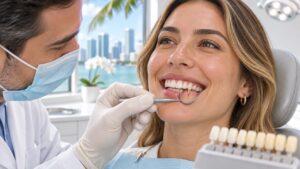
Say a busy professional in Midtown Miami brushes twice a day with an electric toothbrush, rinses every night, and still notices a faint chalky ridge along the back of the lower front teeth. At a routine checkup, the hygienist doesn't just buff away coffee stains and send them on their way. That appointment is a preventive clinical visit designed to inspect the teeth and gums for plaque, hardened tartar, early tooth decay, bleeding, and gum recession before those quiet changes become painful problems.
Daily brushing removes soft plaque, a sticky film of bacteria that collects on tooth enamel throughout the day. When plaque stays undisturbed along the gumline or between tight back molars, it hardens into tartar that ordinary toothbrushes and dental floss can't shift. Only specialized professional instruments can clear those mineralized deposits safely without scratching the tooth surface.
Who Gains the Most From Regular Preventive Visits
Dental cleaning is suitable for everyone, from children learning healthy habits to adults maintaining decades of dental work. Still, some mouths need closer attention than others:
- Patients prone to cavities or gum disease: Regular removal of bacterial buildup lowers the risk of enamel decay and chronic gum inflammation.
- People with previous fillings, crowns, or veneers: The tiny edges where restorations meet natural enamel can trap plaque and hide early decay until a hygienist checks those margins up close.
- Adults tracking health factors: Smoking, diabetes, and past dental history change how gum tissue responds to bacteria, meaning the right return schedule depends on individual risk rather than a fixed calendar.
Catching a hairline cavity or mild gum inflammation during a routine cleaning keeps care simple. Waiting until a tooth aches often leads to complex restorative dentistry, a tooth extraction, or an urgent call to an emergency dentist.
For residents in Downtown Miami, Midtown Miami, and Hallandale Beach, a single preventive appointment at Ultra Smile DentalSpa becomes the starting point for an ongoing care plan that protects both natural teeth and past dental work.
The Steps of a Routine Dental Cleaning, From Check-In to Fluoride
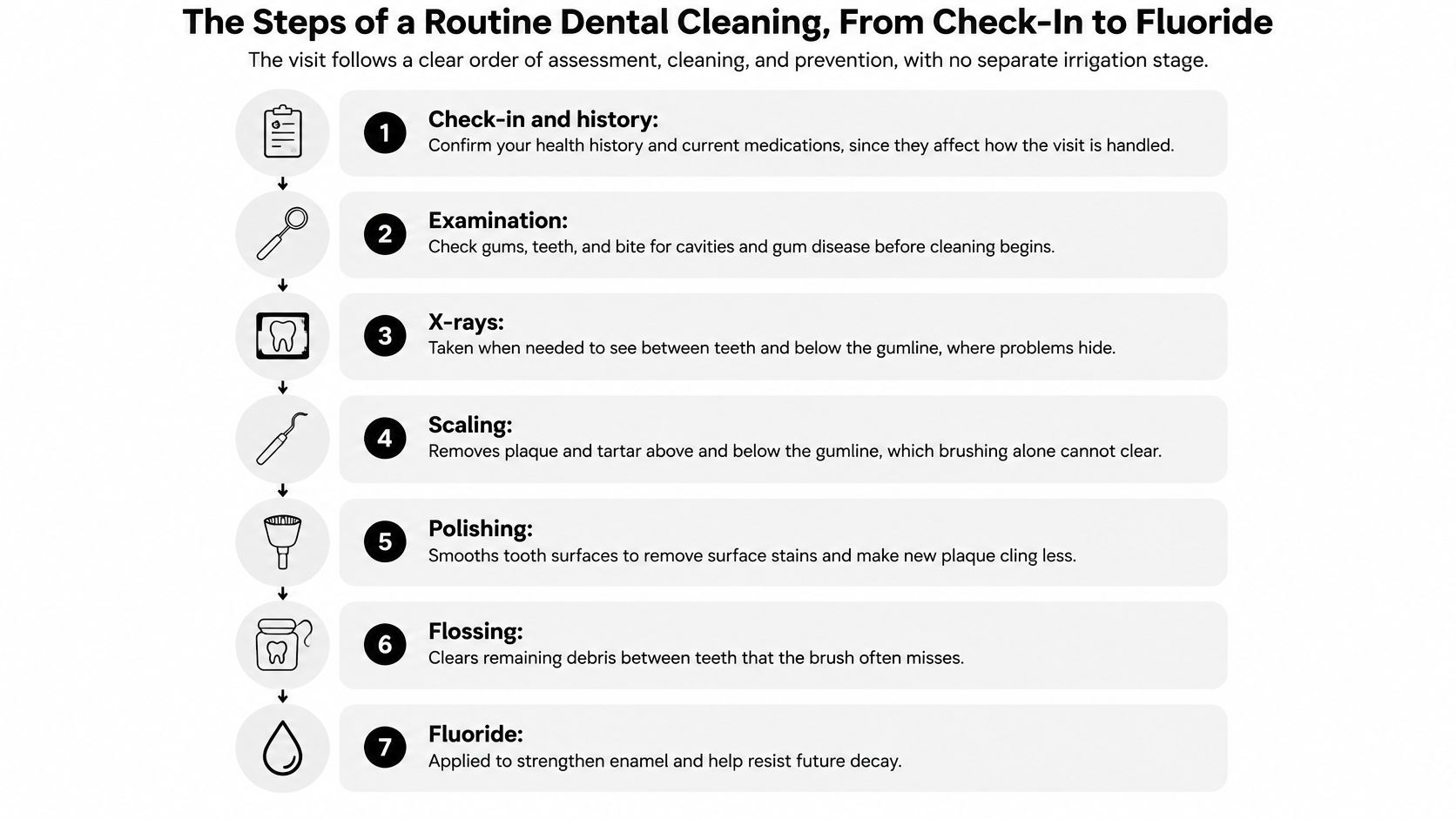
A routine cleaning works like a well marked route through the mouth. Each stage has a purpose, from checking what is happening below the gumline to leaving a clean, protected surface behind. The visual overview below maps out each stage from the waiting room to the final enamel treatment.
Preventive visits matter because oral disease often develops without obvious warning signs before pain appears. According to the CDC Oral Health At a Glance report, approximately 46% of adults aged 30 or older show signs of gum disease, while 21% of adults aged 20 to 64 have at least one untreated cavity. That is why clinicians inspect teeth and gum tissue carefully instead of moving straight to polish.
Step by Step Through the Chair
At Ultra Smile DentalSpa, the cleaning sequence combines plaque and tartar removal, an irrigation solution treatment to cleanse the gums, and a fluoride treatment, all within a preventive appointment:
Check-in and health history review: The clinical team reviews current medications, medical updates, and any new tooth sensitivity or jaw discomfort. Dental X-rays are taken only when the dentist determines they are clinically useful for diagnosing hidden decay between teeth or checking bone levels below the gums.
Oral assessment and gum measurements: Before instruments touch the teeth, the hygienist checks the mouth with a small mirror for cavities, tartar, bleeding, and recession. A thin periodontal probe may gently measure the tiny spaces around each tooth. Think of this as mapping the gums before cleaning the route, since deeper spaces can change how the hygienist works.
Scaling above and near the gumline: During the dental cleaning, dental hygienists remove tartar, which is hardened plaque that regular brushing and flossing cannot remove. A powered ultrasonic scaler breaks up deposits along the gumline and between teeth, while manual hand scalers refine areas the instrument cannot reach as easily.
Hand finishing and irrigation: Ultrasonic instruments can leave tiny mineral flecks behind. A hand curette finishes accessible root surfaces so rough deposits do not remain to collect fresh plaque. The irrigation solution then cleanses the gumline and helps clear loosened debris from around the teeth.
Low-speed polishing: A soft rubber cup on a low-speed handpiece uses fine polishing paste to smooth tooth crowns. The paste lifts coffee and tea stains plus residual soft film. Its fine texture matters because a harsher paste can scratch enamel and leave surfaces more likely to hold plaque.
Flossing and topical fluoride: After flossing between contact points, the hygienist applies fluoride varnish directly to the teeth. Fluoride strengthens enamel against acid-driven decay and eases sensitivity. When deep biting grooves put teeth at extra risk, fissure sealants may also be recommended.
Personalized advice and next-visit scheduling: You receive guidance on brushing angles, flossing tools, diet, or tobacco habits. The office also asks when your next cleaning is due, so prevention stays on the calendar rather than disappearing after one visit.
Watching the instruments in action can make the sequence easier to picture. The short video below walks through a routine cleaning appointment in real time.
What Your Teeth Feel Like Right After
When you run your tongue across your teeth after polishing, they usually feel slicker and look brighter because external surface stains and rough buildup are gone. A routine cleaning does not alter the internal shade of enamel the way professional teeth whitening or cosmetic dentistry does. The final fluoride step is part of the cleaning itself, strengthening teeth and reducing sensitivity. If you are unsure how long to wait for coffee or dinner after a fluoride varnish application, reviewing what to eat after a teeth cleaning helps protect the mineral coating for the rest of the day.
How Long a Cleaning Takes and How Often to Return
A routine dental cleaning is almost always completed in a single appointment, yet no two visits run on the exact same clock. Chair time expands or shortens based on three practical factors: how much hardened buildup has collected since your last visit, whether the hygienist needs extra time to measure deeper gum pockets, and whether diagnostic X-rays or fluoride varnish are part of that day's plan. When patients in Downtown Miami, Midtown Miami, or Hallandale Beach schedule at Ultra Smile DentalSpa, the front desk confirms the expected appointment window up front so work meetings and school pickups stay on track.
Many adults grow up hearing that everyone needs a scale and polish on a rigid twice-a-year calendar. Clinical evidence paints a more individualized picture. A Cochrane systematic review on routine scale and polish treatments found little or no difference in gingivitis, probing depth, or oral-health quality of life over two to three years for healthy adults on fixed six-month schedules compared with no scheduled polishing, though scheduled care did lower tartar levels. Rather than treating every mouth identically, clinicians set return intervals around gum health, home brushing habits, diabetes, heart conditions, tobacco use, and prior dental history.
Signals Your Next Visit Shouldn't Wait
Certain changes in your mouth mean you shouldn't hold off until a future reminder card arrives:
- Bleeding when brushing or flossing: Pink foam in the sink points to irritated gum tissue that needs professional evaluation.
- Persistent bad breath: Odor that returns quickly after brushing often comes from trapped bacterial deposits below the gum edge.
- New tooth sensitivity: Sharp reactions to cold drinks or sweet foods can signal exposed root surfaces or early decay.
- A shifting or loose tooth: Movement suggests changes in the supporting gum or bone structure that require prompt attention.
At the end of every cleaning, the hygienist logs your clinical findings and recommends an individualized return date so your next appointment is set before you leave the office.
What You May Feel and How to Stay in Control
Settling into the chair, many patients quietly wonder whether the cleaning will hurt. The answer depends less on the instruments than on what is happening in your mouth that day. Knowing which sensations are normal, and knowing that you can pause at any moment, turns the appointment into something you can follow and control.
According to the CDC Oral Disease Priorities overview, 65.5% of U.S. adults aged 18 or older reported having a dental exam or cleaning during the previous year in 2023, which still leaves a sizable group avoiding routine care, often out of fear of discomfort. Temporary feelings like pressure, light scraping, vibration, cool water, mild gum tenderness, or slight bleeding can happen during scaling, especially when deposits sit against irritated gums. Healthy gum tissue does not usually bleed just because it is being cleaned. Bleeding often means the tissue was already inflamed, and it typically settles as bacterial buildup is removed and daily flossing becomes steady.
Normal Sensations Versus Signals Worth Mentioning
Every sound and sensation during a cleaning has a mechanical reason behind it. Think of the mouth as a busy road: plaque and tartar are the buildup that has to be loosened, water works like the street sweeper, and suction carries the debris away. The table below pairs what you notice in the chair with what is happening and how to respond.
| Sensation | Why It Happens | What to Do |
|---|---|---|
| Scraping or vibration | Scaler loosens hard tartar | Normal; ask the hygienist to pause or lower power |
| Cool water and mist | Instrument rinses teeth and creates spray | Normal; suction controls most of it |
| Gum tenderness | Inflamed gums around deposits | Tell the hygienist; numbing can be discussed |
| Light bleeding | Irritated gum tissue | Often eases with daily flossing and regular cleanings |
| Sensitivity afterward | Cleaned or exposed tooth surfaces | Mention it; fluoride can help |
| Pressure near the gumline | Deep deposits or gum pockets | Note it; deeper findings may lead to a separate plan |
Some feelings are easy to name, while others need a quick explanation. Scraping can feel intense because tartar is hardened plaque that regular brushing and flossing cannot remove, so the hygienist is working against a deposit that will not rinse away on its own. Vibration comes from the instrument loosening that material. Cool water and mist are part of the rinsing process, and suction removes most of the spray before it gathers around your face.
Tenderness or light bleeding deserves attention because it can reflect inflamed tissue around deposits. A small amount may settle with routine care, but you should still mention it while you are in the chair. Pressure near the gumline can also mean the hygienist is working around deeper deposits or gum pockets. If that pressure feels sharp, unusual, or hard to tolerate, say so. The appointment can be adjusted, and any deeper findings can be addressed in a separate plan.
Comfort rule before the chair reclines: Agree on a simple stop signal, such as raising your left hand, so the hygienist pauses immediately whenever you want a breather, a sip of water, or a quick adjustment.
Staying in Control During Your Appointment
Why does the same cleaning feel easy for one person and tense for another? A 2025 pilot clinical study of 42 adults indexed on PubMed found that overall pain during scaling was low, and discomfort was driven more by periodontal condition and psychological distress than by the ultrasonic device itself. Inflamed gums, deeper pockets, gum recession, heavy tartar, or dental fear can all amplify sensitivity even when the tool is gentle.
You can ask for brief breaks between sections of the mouth and discuss topical numbing gel along sensitive gums before scaling starts. Sedation options such as nitrous oxide are sometimes discussed for anxious patients, with the decision made directly with the dentist. At Ultra Smile DentalSpa, refreshments, custom aromatherapy, streaming entertainment during procedures, and a warm towel finish help anxious patients relax alongside clinical comfort options, and reading practical ways to calm dental anxiety before your visit gives you extra tools ahead of appointment day.
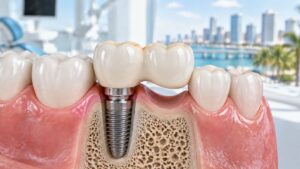
The cleaning finishes with a fluoride treatment, which strengthens teeth and reduces sensitivity right when freshly cleaned enamel may feel more reactive. A cleaning also has limits. It won't repair an active cavity, rebuild lost jawbone, or replace missing teeth. If the dentist spots decay, a cracked filling, or a missing tooth during the exam, those findings go into a separate plan for restorative care, a consultation with a cosmetic dentist near me, or long-term options like dental implants near me.
Routine Cleaning or Deep Cleaning, Which Fits Your Gums
A routine cleaning removes plaque and tartar above and just near the gumline to maintain healthy gums, whereas a deep cleaning, formally called scaling and root planing, cleans hardened deposits off tooth roots below the gumline when periodontal pockets and active gum disease are present.
As the National Institute of Dental and Craniofacial Research explains, soft bacterial plaque absorbs calcium from saliva and hardens into calculus that home care can't budge. When calculus lingers against the tissue, gums turn red, swollen, and quick to bleed, which are early hallmarks of gingivitis that can advance into deeper periodontal disease if left untreated.
| Feature | Routine Cleaning | Deep Cleaning (Scaling and Root Planing) |
|---|---|---|
| Purpose | Remove plaque and tartar above and near the gumline | Clean tooth roots below the gumline |
| Best for | Healthy or mildly irritated gums | Periodontal pockets and active gum disease |
| Numbing | Often not needed | Often used for comfort |
| Visits | Usually one appointment | Often spread over one or more visits |
| How the schedule is set | Based on routine gum assessment | Based on probing depth and periodontal findings |
Signs That Point to a Deeper Treatment Conversation
You don't have to guess which procedure fits your mouth before arriving. The hygienist and dentist determine the right path after checking gum tissue and measuring pocket depths, which is why an appointment booked for a standard polish occasionally leads to a recommendation for periodontal therapy instead.
Watch for four findings that commonly open that conversation:
- Bleeding that doesn't let up: Gums that bleed across multiple areas despite steady home brushing point toward deeper irritation.
- Deeper gum pockets: Spaces measuring deeper than healthy margins allow bacteria and tartar to settle out of a toothbrush's reach.
- Receding gums: Tissue pulling back from the teeth exposes vulnerable root surfaces that need specialized smoothing.
- Loose teeth: Mobility signals that inflammation may be affecting the bone supporting the tooth roots.
A deep cleaning isn't an upgrade to a routine polish. It's a targeted medical treatment designed to halt active gum infection below the surface before bone loss worsens.
Once periodontal treatment finishes, your follow-up rhythm is shaped around your gum measurements, home hygiene, medical history, diabetes, smoking status, and how cleanly your tissue heals.
How the Office Controls Spray, Suction and Infection
When an ultrasonic scaler switches on, most patients notice a fine cool mist paired with the steady hum of suction right beside their cheek. Few dental articles explain what's happening with that spray, even though safety concerns weigh heavily on medically vulnerable patients and anyone nervous about clinic hygiene.
According to CDC dental infection-control guidance, ultrasonic scalers and dental handpieces generate visible spray containing droplets, spatter, and aerosols made up of water, saliva, blood, microorganisms, and tiny debris particles. Because that mist is part of powered scaling, strict infection control isn't an optional add-on. It's built directly into the cleaning workflow.
To keep the treatment room safe, CDC protocols advise avoiding aerosol-generating steps when simpler hand tools work just as well, and capturing spray right at the mouth when powered tools are needed. Dental teams rely on high-volume evacuation (strong suction held close to the scaler tip), four-handed dentistry when an assistant manages suction alongside the clinician, dental dams where appropriate, protective eyewear and masks for the team and patient, and heat-sterilized instruments for every single appointment.
Capturing mist at its source matters far more than room spacing alone. A 2025 systematic review and meta-analysis published via Wolters Kluwer found that pairing an antiseptic mouthwash pre-rinse with suction devices can reduce cross-contamination during aerosol-generating dental procedures, though the authors noted substantial heterogeneity across studies. Related experimental work cited in that same review showed that high-volume evacuation significantly cut aerosol dispersion, while without evacuation, dispersion showed no meaningful difference at 0.9 meters versus 1.8 meters, confirming that merely sitting farther apart doesn't replace active source suction.
Three Questions to Ask Before Your Cleaning Starts
Patients always have the right to know how a clinic manages safety before reclining the chair:
- Suction setup: Ask whether high-volume evacuation or a saliva ejector will be used during ultrasonic scaling to capture water mist.
- Instrument sterilization: Ask how hand scalers, ultrasonic tips, and handpieces are sterilized and tracked between patients.
- Pre-procedure rinse: Ask whether an antiseptic mouthwash rinse is offered before cleaning begins, especially if you have respiratory concerns.
How to Prepare for Your Cleaning in Miami
A few minutes of preparation before heading to the office makes your appointment smoother, faster, and more comfortable. Here's a quick visual checklist to keep your pre-visit routine organized.

Follow these six practical steps on the day of your appointment:
- Bring an updated medication list and health notes: Diabetes, heart conditions, blood thinners, and smoking habits all influence how your hygienist approaches gum care and follow-up intervals.
- Note past dental work: Let the team know where you have fillings, crowns, veneers, dental implants, or prior gum treatments so those margins get extra attention during the exam.
- Write down recent symptoms: Mention any bleeding when brushing, hot or cold sensitivity, stubborn bad breath, or a tooth that feels slightly loose. Even minor changes help the dentist spot early patterns.
- Brush and floss gently that morning: Clean your teeth normally before leaving home, but skip aggressive scrubbing right before the visit so your gums aren't raw during probing.
- Decide on your comfort preferences ahead of time: Think about whether you'd like a hand-raise stop signal, short pauses between quadrants, or a conversation about topical numbing gel before the hygienist picks up an instrument.
- Arrive a few minutes early: Extra cushion time lets you wrap up paperwork calmly and review insurance coverage or cost questions with the front desk without feeling rushed.
Because routine dental cleanings are suitable for both children and adults, families across Downtown Miami, Midtown Miami, and Hallandale Beach can coordinate appointments together at Ultra Smile DentalSpa and keep everyone's preventive care on one simple track.
Book Your Cleaning in Miami at Ultra Smile DentalSpa
A preventive visit at Ultra Smile DentalSpa brings together a thorough oral assessment, gentle plaque and tartar removal, polishing, a strengthening fluoride treatment, and a clear plan for your next appointment. Regular cleanings help prevent tartar buildup, bone loss, bad breath, and cavities, and the office confirms when your next cleaning is due before you head out the door so your smile stays protected year-round.
If your exam ever uncovers needs beyond routine hygiene, the team handles general dentistry, cosmetic dentistry, restorative work, tooth extraction, and dental implants under one roof for patients across Downtown Miami, Midtown Miami, and Hallandale Beach. Ultra Smile DentalSpa also offers a free consultation request form on its website, and completing it secures a 30% discount on dental treatments. Call the office or submit your consultation request online today to schedule your next cleaning with confidence.
Ultra Smile DentalSpa delivers gentle, thorough dental cleanings, preventive exams, cosmetic care, and restorative treatments in a calming spa-like environment serving Downtown Miami, Midtown Miami, and Hallandale Beach. Whether it's your routine checkup or your first visit back after a long break, Dr. Neda Bahmadi and the team walk you through every step at your pace. Visit Ultra Smile DentalSpa to complete the free consultation form and book your Miami dental cleaning today.