A fresh whitening appointment usually ends the same way. Someone checks the mirror, smiles immediately, and then asks the question that matters most: how do these results stay this bright?
That concern is completely reasonable, especially in Miami, where cafecito runs, cold drinks, business lunches, beach weekends, and late dinners can all test a newly whitened smile. The good news is that strong results don't depend on perfection. They depend on smart aftercare, especially in the first two days, and then a routine that fits real life.
For those seeking a dentist in Miami, FL, a cosmetic dentist near me, or practical guidance after professional whitening, the advice below focuses on what helps, what tends to backfire, and how to protect enamel while keeping daily habits manageable. Good teeth whitening aftercare is less about memorizing a long list of restrictions and more about understanding why the rules exist.
Table of Contents
- Your Cosmetic Dentist in Miami Explains Whitening Aftercare
- The First 48 Hours Your Immediate Aftercare Plan
- How to Manage Sensitivity After Teeth Whitening
- Long-Term Care to Keep Your Miami Smile Bright
- Partner with a Top Cosmetic Dentist in Miami FL
Your Cosmetic Dentist in Miami Explains Whitening Aftercare
You leave your whitening appointment, check your smile in the mirror, and then real life starts. A cafecito run, a client lunch in Brickell, dinner plans on the water, maybe a workout drink on the go. Aftercare needs to fit that schedule or patients stop following it by the end of the day.
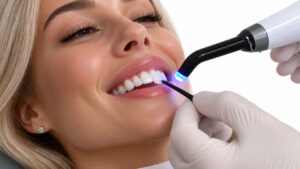
Professional whitening can brighten teeth quickly, but the result is only part of the story. The habits that follow treatment affect how evenly that brightness holds, how comfortable your teeth feel, and how long your enamel stays out of the cycle of stain, sensitivity, and repeat touch-ups. The American Dental Association explains that whitening can cause temporary sensitivity, and proper guidance matters for safety and comfort, as outlined in its overview of tooth whitening safety and side effects.
Why whitening aftercare matters
Freshly whitened teeth are more likely to react to what you eat and drink right away. Pigments can settle in faster, acids can irritate enamel that already feels a little stressed, and very hot or cold temperatures can trigger sensitivity. Patients usually expect the warning about coffee or red wine. They are often more surprised that lemon water, hot sauce, or an açai bowl can also work against the result.
The goal is not to make life difficult. The goal is to make good decisions easier.
In Miami, that means giving practical swaps instead of a vague list of restrictions. If breakfast is usually Cuban coffee and tostada, switch to milk or water and choose plain eggs with white toast for a day or two. If lunch is sushi with soy sauce or poke with spicy tuna, go with grilled chicken, white rice, and a mild sauce on the side. If you are meeting friends and would normally order a mojito, red wine, or a dark cocktail, sparkling water with lime kept minimal, or a clear spirit mixed with water, is usually a safer short-term choice than a heavily pigmented drink.
A few habits help most:
- Choose low-acid, lighter-colored meals early on: white fish, chicken, white rice, pasta with olive oil or a light cream sauce, oatmeal, yogurt, bananas, cauliflower, and peeled potatoes are usually easier on freshly whitened teeth.
- Use water strategically: drink it after meals and after any beverage that could stain. That rinse time matters.
- Keep temperatures moderate: very cold smoothies and very hot coffee are common sensitivity triggers right after whitening.
- Skip tobacco and dark drinks for the initial recovery period: they can stain quickly and make a fresh result look uneven.
Practical rule: Protect the result in ways you can actually follow during a busy week.
Why this matters beyond cosmetics
Aftercare supports enamel health and comfort, not just appearance. Patients who return to acidic drinks, staining foods, and temperature extremes too quickly are more likely to notice zingers, uneven rebound staining, or that chalky feeling some describe after whitening. None of that means something went wrong. It usually means the teeth need a quieter recovery period.
That early discipline also protects the value of the treatment. Many patients use whitening as the first step before other smile improvements, or because they want to look polished at work and in photos without committing to more dentistry. In either case, the result should feel worth the appointment, worth the expense, and worth the effort you put into it. Good aftercare helps keep it that way.
The First 48 Hours Your Immediate Aftercare Plan
The first two days are the most important stretch in teeth whitening aftercare. This is the period when patients should be the most selective about food, drinks, and habits. A simple plan works better than an overly strict one.
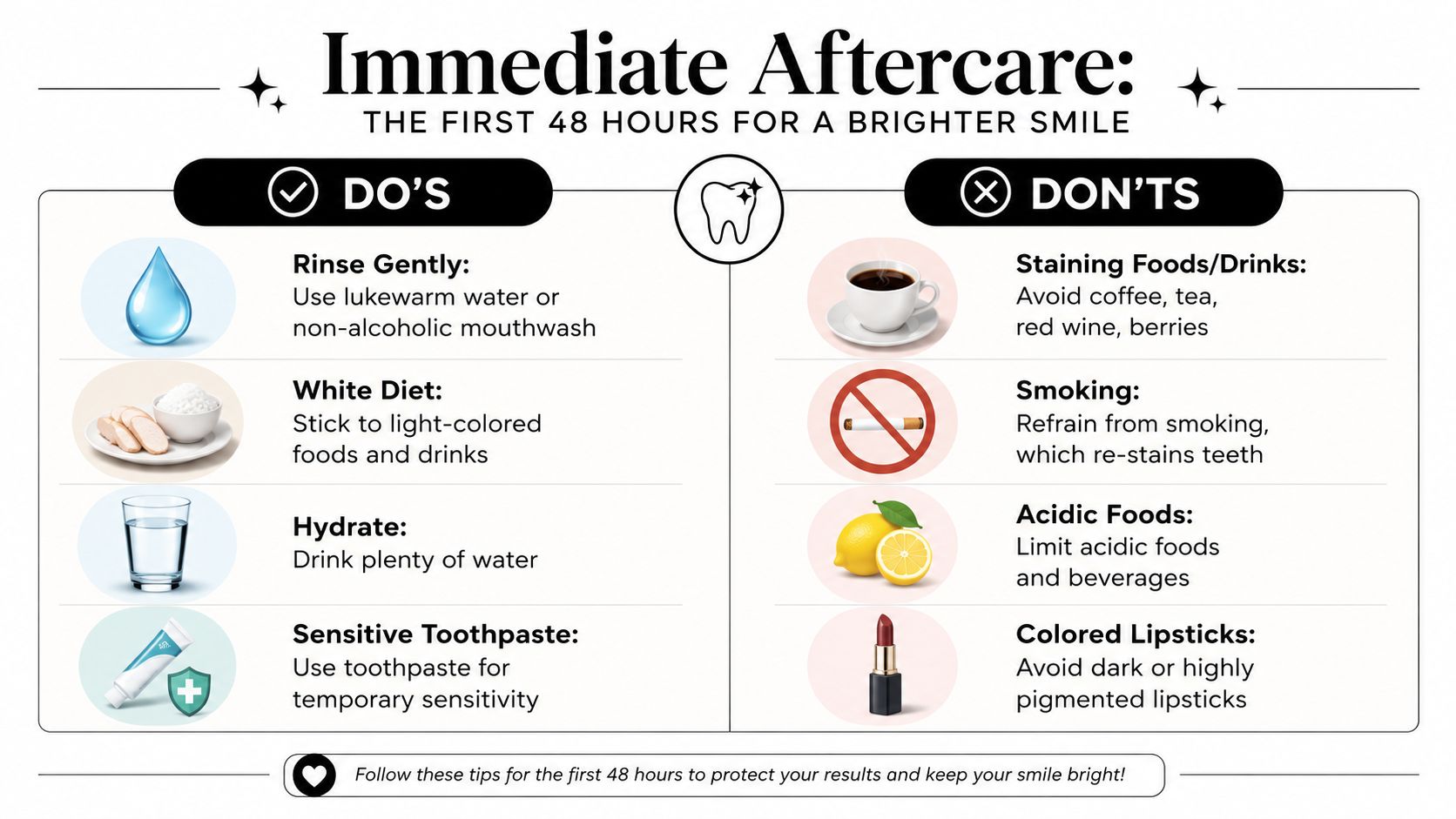
A visual checklist makes this easier to follow during a busy week.
Why this window matters
Color isn't the only concern. Acid matters too. Recent studies show that acidic foods like citrus and pickles cause 3x more micro-erosion on freshly whitened teeth than neutral-pH foods, which makes them a major driver of accelerated re-staining in the first 48 hours, as noted in this post-treatment whitening care review.
That's an important distinction because many patients only focus on dark foods. They'll skip coffee but still reach for lemon water, vinaigrette, or pickles. Right after whitening, acid can be just as important as pigment, sometimes more important.
Acid doesn't need to be dark to create trouble. A “healthy acidic choice can be rougher on freshly whitened enamel than a pale, neutral one.
For patients who like to understand the process visually, this short video helps reinforce the immediate basics.
What to eat and what to skip
The simplest approach is the white diet. Think light-colored, mild, and low-acid.
| Better choices for the first 48 hours | Choices to avoid for now |
|---|---|
| Plain chicken or turkey | Coffee and tea |
| White rice, plain pasta, bread | Red wine |
| Bananas, oatmeal, yogurt | Berries |
| Cauliflower, potatoes, mild cheeses | Dark sodas |
| Water and room-temperature milk | Citrus, pickles, soda |
A few Miami-friendly swaps help patients stay realistic:
- Skip the cafecito temporarily: Try water, milk, or a lighter non-acidic option for a day or two.
- Choose simple lunch plates: Grilled chicken, rice, and a mild side is better than tomato-based or heavily seasoned dishes.
- Go easy on sauces: Dark sauces, hot sauces, and acidic dressings can create problems quickly.
- Keep drinks room temperature: This can be more comfortable when teeth feel tender after treatment.
Lifestyle choices that protect the result
Food isn't the only issue. Several everyday products and habits can interfere with fresh whitening.
- Smoking: This can re-stain teeth quickly and works directly against the treatment.
- Colored mouthwash: A dyed rinse isn't ideal right away.
- Dark lipstick: Highly pigmented lipstick can transfer to the teeth and become an unnecessary nuisance during the early phase.
- Very hot or very cold drinks: These often aggravate sensitivity and make patients more uncomfortable than expected.
For patients balancing work meetings, errands, and social plans in Downtown Miami or Midtown, the goal isn't isolation. It's temporary discipline. A simple, pale meal plan and plenty of water usually carry the first two days without much stress.
How to Manage Sensitivity After Teeth Whitening
Sensitivity is one of the main reasons people hesitate before whitening. It's also one of the main reasons they feel anxious afterward. In most cases, that discomfort is temporary. Guidance on professional whitening aftercare notes that sensitivity usually lasts one to three days for most patients after treatment, especially when acid-heavy foods are avoided early and enamel is given time to settle, as described in this overview of what to expect after in-office whitening.
What sensitivity usually feels like
Patients often describe sensitivity as a quick zing with cold air, cold drinks, or temperature changes. Others notice it more when they breathe through the mouth or sip something hot right after something chilled.
That doesn't automatically mean something went wrong. Whitening can temporarily leave teeth feeling more reactive, even when the treatment was done properly.
Comfort note: Temporary sensitivity is common. Panic usually makes it feel worse than it is.
What usually helps most
The most effective approach is usually very simple. Gentle care beats aggressive “fixes.
- Use a toothpaste made for sensitivity: These formulas are usually the first thing patients should reach for after treatment.
- Pick lukewarm drinks: Room-temperature water is often far easier than iced drinks or very hot coffee.
- Brush gently: A soft-bristled toothbrush helps avoid adding friction to already sensitive teeth.
- Keep meals mild: Crunchy, spicy, acidic, or very hot foods tend to be irritating.
- Consider an over-the-counter pain reliever if needed: Some patients prefer this for a short period, especially the evening after whitening.
A common mistake is trying to scrub the teeth cleaner because they feel “coated after treatment. That usually adds irritation and doesn't improve the result.
When to call the dental office
Most post-whitening sensitivity improves with time and gentler habits. A call is worth making if the discomfort feels intense, doesn't ease, or seems different from normal sensitivity. Persistent pain, pain that interferes with sleeping or eating, or a sharp sensation isolated to one area deserves attention.
That same rule applies to patients who are already managing other dental needs. Someone searching for an emergency dentist, dealing with a cracked tooth, or considering tooth extraction should not assume every pain is whitening-related. A proper exam matters. The right dental care depends on knowing whether the issue is normal sensitivity, enamel irritation, or a separate underlying problem.
Long-Term Care to Keep Your Miami Smile Bright
A whitening appointment can make teeth look noticeably fresher in a single visit. Keeping that result through coffee runs, client lunches, beach weekends, and the occasional glass of red wine takes a smarter routine.
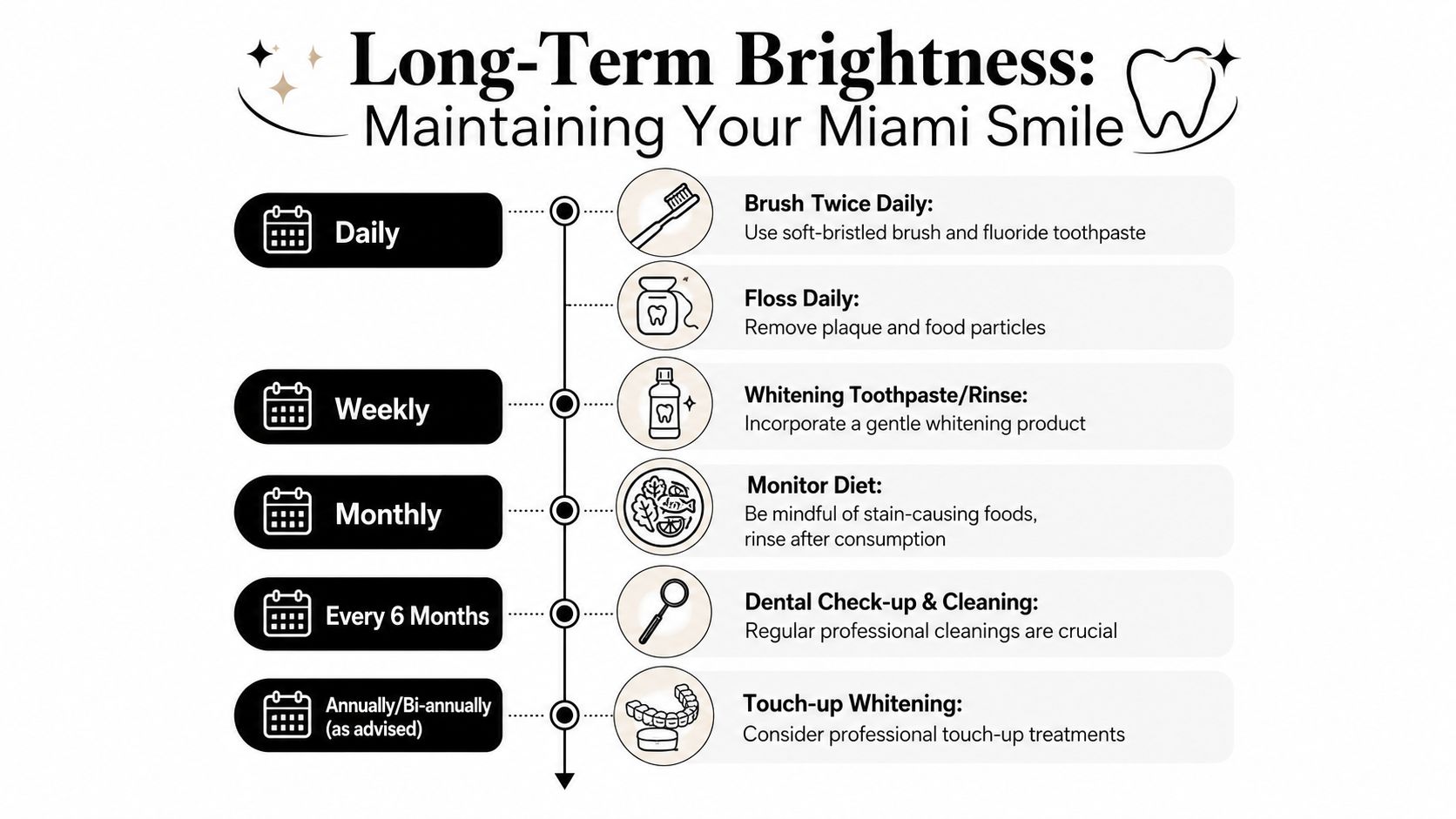
Build a routine that fits real life
Whitening lasts longer when daily habits protect enamel and limit new stain buildup. The exact timeline varies from patient to patient because diet, smoking or vaping, oral hygiene, enamel wear, and touch-up habits all affect how quickly teeth lose brightness.
In practice, patients do best with routines they can repeat on busy days, not ideal routines they abandon after a week.
A practical long-term plan often includes:
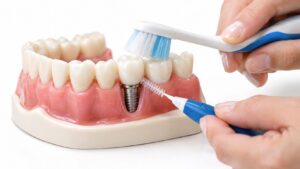
- Brushing twice a day with a soft brush: This keeps plaque from trapping surface stains without adding unnecessary wear.
- Using a low-abrasion toothpaste: Teeth can look duller when enamel is repeatedly scrubbed with harsh whitening products.
- Flossing once a day: Stain stands out more when plaque collects between teeth and near the gumline.
- Rinsing with water after coffee, tea, soda, or wine: This simple step helps reduce how long pigments and acids sit on the enamel.
- Using a straw when it makes sense: Iced coffee and dark cold drinks are easier on the front teeth when direct contact is reduced.
- Keeping regular cleanings: Polishing away external stain early is easier than trying to reverse months of buildup at home.
Miami patients usually appreciate specific swaps more than a long list of restrictions. If espresso is part of the morning, follow it with water. If red wine is on the dinner plan, choose clear spirits with soda water and lime more often. If tomato-based lunches or berries are frequent, brush later, not immediately after an acidic meal, and rinse first.
What works better than chasing quick fixes
Long-term whitening care should be steady and conservative. Repeated use of aggressive strips, charcoal pastes, or gritty whitening products can leave teeth rougher and more sensitive, which makes upkeep harder, not easier.
The better approach is measured touch-ups and professional guidance on timing. Some patients benefit from occasional take-home tray use. Others need nothing beyond good hygiene and routine cleanings for quite a while. The right schedule depends on staining habits, enamel condition, and how prone the teeth are to sensitivity.
Here is the trade-off I explain in the office. Faster, more frequent whitening usually means a higher chance of irritation. Slower maintenance usually gives a more comfortable result that is easier to preserve.
| Better long-term strategy | Less effective approach |
|---|---|
| Gentle daily hygiene | Scrubbing harder to remove stains |
| Water after staining drinks | Letting pigments sit on the teeth for hours |
| Occasional touch-ups based on need | Using whitening products too often |
| Professional cleanings and monitoring | Waiting until discoloration is heavy and uneven |
Patients who stay on a regular maintenance schedule usually hold their results more predictably than patients who wait for stains to become obvious and then try to reverse everything at once.
Restorations need special planning. Natural teeth can whiten. Crowns, veneers, and fillings do not respond the same way, which is why patients should review how whitening interacts with crowns, veneers, and fillings before doing future touch-ups.
How whitening fits with other cosmetic dentistry
Whitening often becomes the starting point for a larger smile plan because a brighter shade can make old dental work, uneven edges, or worn enamel more noticeable. That is not a problem. It is useful information.
Some patients decide they are happy with whitening alone. Others choose polishing, bonding, replacement of older visible restorations, or broader restorative care once they can see the smile more clearly. Coordinated planning matters because the best cosmetic result is not only brighter. It also looks even, healthy, and appropriate for the face.
Patients looking for one trusted office to oversee both appearance and long-term dental health usually do better with that kind of coordinated approach. The strongest results come from care that protects enamel, respects sensitivity, and accounts for how real life in Miami affects the smile every day.
Partner with a Top Cosmetic Dentist in Miami FL
A bright smile looks best when the dental plan behind it is thoughtful. Whitening is straightforward on the surface, but the details matter. Enamel condition, sensitivity history, existing fillings, crowns, veneers, and bite patterns all influence what kind of result will look natural and last well.
Why professional guidance matters
Patients often start with a whitening question and discover something else needs attention first. Sometimes it's a cavity. Sometimes it's gum irritation. Sometimes it's a restoration in the smile zone that won't change color with whitening. That's why a professional exam is still the smart first move for anyone seeking dentist near me, emergency dentist, or cosmetic dentist near me with both health and appearance goals in mind.
For some patients, whitening is the right next step. For others, dental x-rays, new patient exams, or restorative treatment should come first. In more complex cases, issues such as damaged teeth, infection, or severe wear can make services like tooth extraction or replacement planning more relevant than whitening alone.
Care that supports more than whitening
Miami patients often want dentistry that respects both their schedule and their comfort. That includes careful cosmetic planning, but it also includes a calm environment and clear communication. People who feel nervous about treatment usually do better when expectations are explained well and aftercare feels manageable from day one.
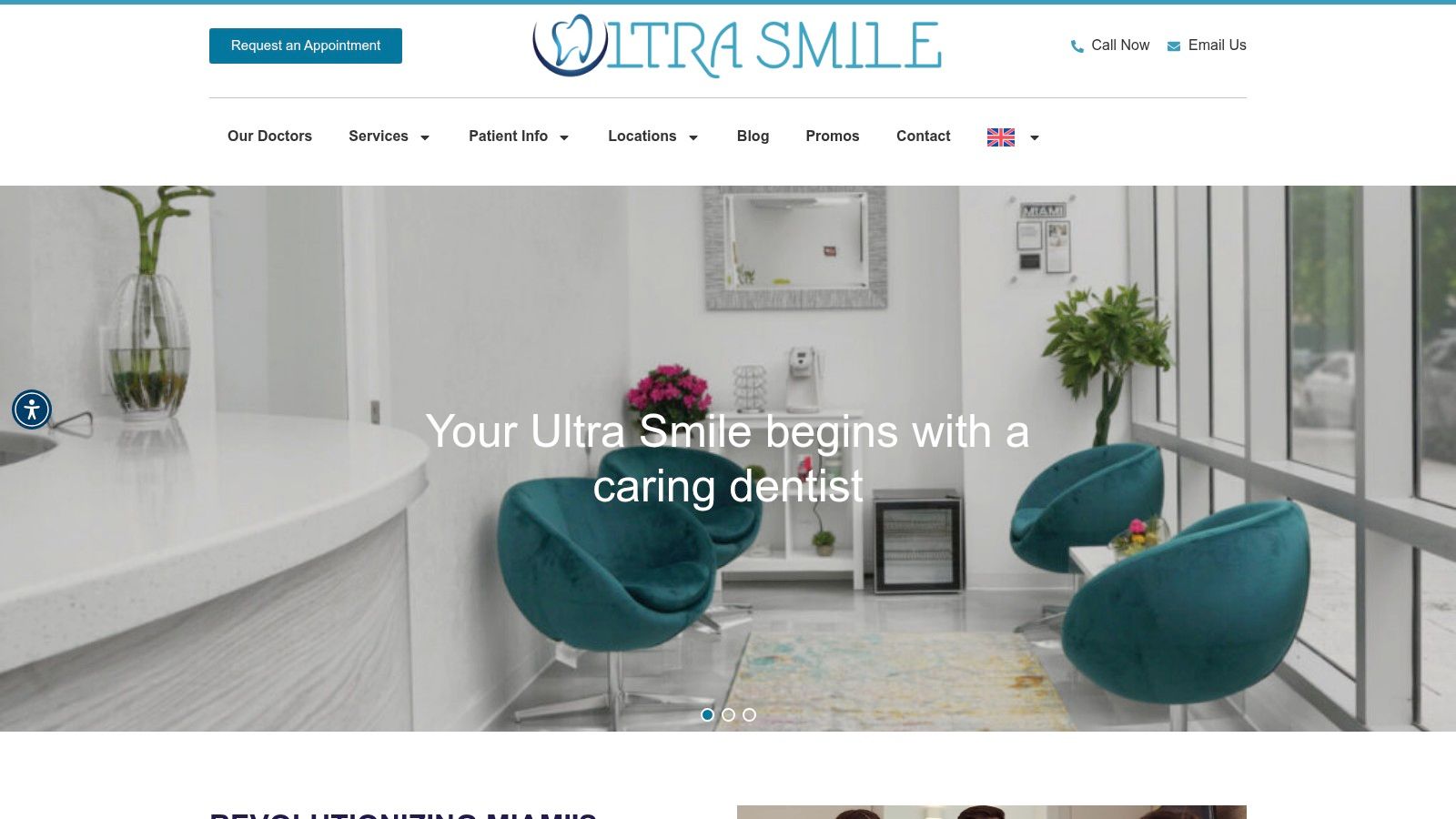
Dr. Neda Bahmadi and the team serving Downtown Miami, Midtown Miami, and Hallandale Beach take that broader view seriously. Whitening can be a strong standalone treatment, but it can also be the first step toward veneers, Invisalign, same-day crowns, implants, or a fuller smile refresh when that's appropriate.
Patients deserve guidance that feels precise, calm, and honest. The best cosmetic dentistry doesn't push treatment. It matches treatment to the smile, the goals, and the day-to-day habits that will determine whether the result still looks beautiful long after the appointment ends.
For patients ready to protect a recent whitening result or plan the next step in a smile upgrade, Ultra Smile DentalSpa offers cosmetic and general dental care in a setting designed around comfort, clarity, and lasting results. Schedule an appointment to discuss teeth whitening aftercare, routine dental care, veneers, Invisalign, restorative treatment, or a personalized cosmetic consultation in Miami.