A dental bridge rarely picks a convenient moment to fail. It happens during lunch in Downtown Miami, in the middle of a workday in Midtown, or late at night when something suddenly feels off. A bite that used to feel normal now feels unstable. A porcelain edge chips. A bridge that seemed secure yesterday starts moving today.
That kind of change can feel urgent fast. Many people immediately search for a dentist near me, an emergency dentist, or a dentist in Miami, FL because they want two things right away. They want the discomfort under control, and they want to know whether the bridge can be repaired or needs to be replaced.
Table of Contents
- Your Guide to Emergency Dental Bridge Repair in Miami
- Why Dental Bridges Fail and Common Symptoms
- Immediate Steps for a Broken or Loose Bridge
- Professional Dental Bridge Repair Options
- Alternatives to Bridge Repair Dental Implants
- Your Visit for Bridge Repair at Ultra Smile DentalSpa
- Frequently Asked Questions About Dental Bridges
Your Guide to Emergency Dental Bridge Repair in Miami
A common emergency starts the same way. Someone is chewing normally, feels a small shift, then notices the bridge no longer feels anchored. Another person sees a chip near the front and worries the entire restoration is about to fall apart before the next meeting. That panic is understandable because a bridge sits in a part of the mouth used constantly for chewing, speaking, and smiling.
The first priority is staying calm and protecting the area from further damage. A loose bridge isn't always lost, and a chipped bridge doesn't always mean full replacement. Some problems are repairable. Others are warning signs that the supporting teeth need immediate attention.
Why fast evaluation matters
A bridge often fails for a reason that isn't visible in the mirror. Cement can loosen, but the underlying problem may be under the crowns that support it. The fit may have changed. A crack may extend deeper than it looks from the outside. That's why waiting too long can turn a manageable repair into a more involved restorative dentistry case.
For people searching for an emergency dentist or dentist in Miami, FL, the key is same-day guidance and a practical plan. Patients dealing with a broken restoration can review emergency dentist services in Miami if they need immediate care.
Practical rule: If the bridge moves when chewing, comes out completely, or is paired with pain, swelling, or a bad taste, it should be treated as an urgent dental problem.
The goal of emergency bridge care
The right visit does more than put something back in place. It answers three questions:
- Is the bridge itself still usable
- Are the supporting teeth healthy enough to keep
- Would a different restoration offer a better long-term result
That last point matters more than many people realize. Some bridges can be repaired beautifully. Some are only temporarily salvageable. When a patient understands the trade-offs clearly, the next step becomes much less stressful.
Why Dental Bridges Fail and Common Symptoms
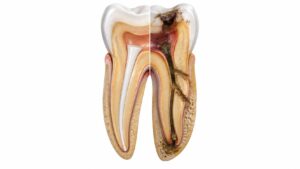
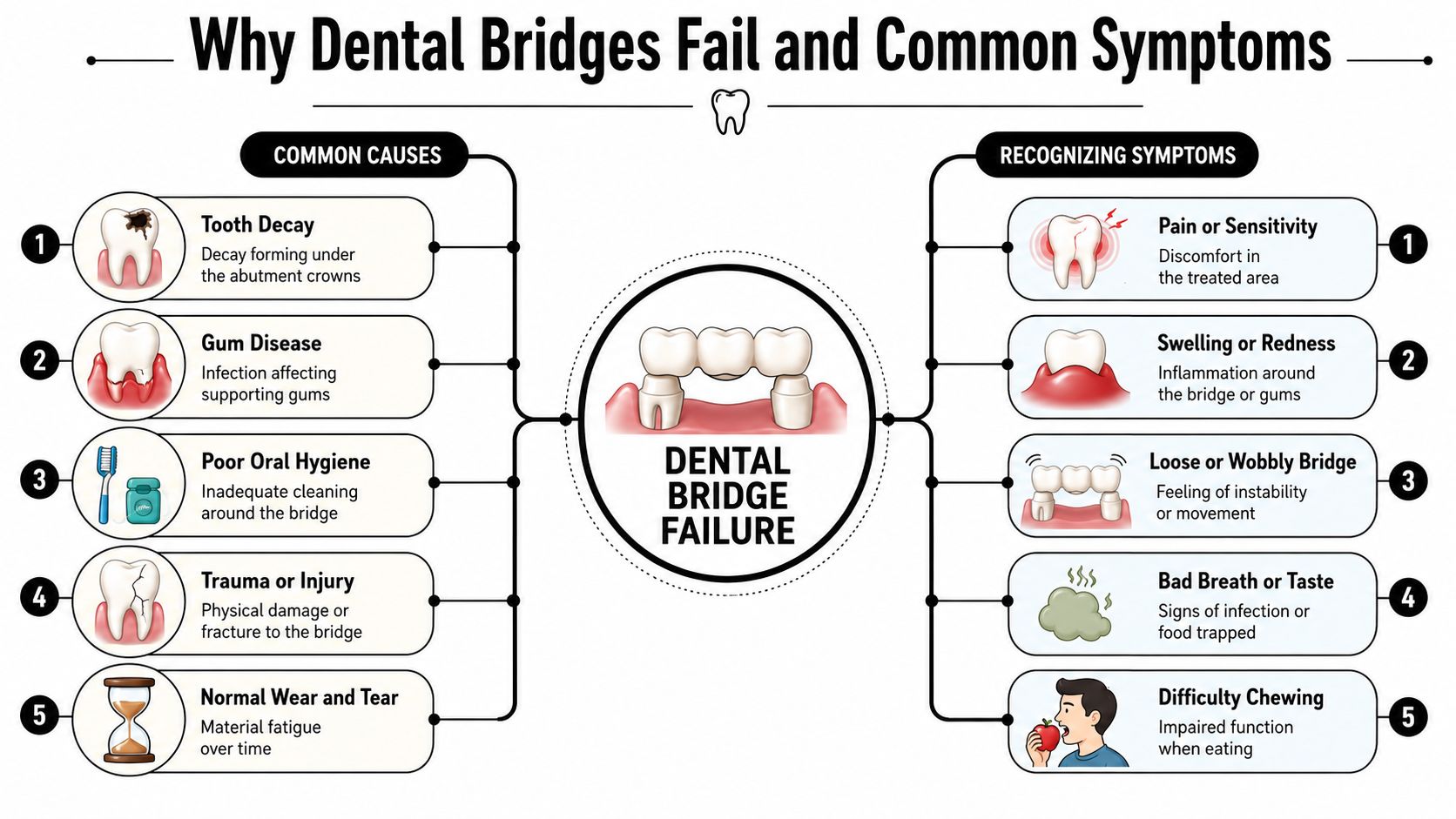
Most bridge failures start at the supporting teeth. The bridge itself may look intact, but decay at the crown margins, gum disease, bite stress, or a crack in an abutment tooth can make the restoration loose or unsafe to keep. According to clinical guidance on dental bridge longevity and failure, bridges often serve patients well for years with good maintenance, but long-term success depends heavily on the health of the teeth and tissues underneath.
What usually goes wrong
The most common causes of bridge failure relate to the abutment teeth and the way force is distributed across the restoration.
Common causes include:
- Decay under the supporting crowns. This is a frequent reason a bridge loosens or fails. The problem can stay hidden until food starts catching, the area develops an odor, or the bridge shifts.
- Gum disease and bone loss. Inflamed gums and reduced support around the abutment teeth make the bridge less stable and harder to clean.
- Heavy bite pressure or grinding. Repeated force can chip porcelain, break cement seals, and overload the supporting teeth.
- Injury or sudden impact. A hard object, sports injury, or unexpected bite on something tough can fracture the bridge or damage the tooth underneath.
- Changes in fit over time. Teeth can shift, fillings can wear, and the bite can change enough to create stress in one area.
Bridge design matters too. Longer spans place more load on the teeth at each end, so repairs are not always the best long-term answer. In some cases, especially when support is failing repeatedly, implants provide a more stable and easier-to-maintain replacement.
Symptoms that need prompt attention
A failing bridge rarely stays quiet for long. Patients usually notice small changes first, then a clear problem with comfort or chewing.
Watch for:
- Movement when biting. A bridge should feel secure.
- Pain or temperature sensitivity. This can point to decay, a crack, gum inflammation, or bite trauma.
- A visible chip, crack, or rough edge. Even minor damage can change how pressure travels through the restoration.
- Food packing around the bridge. That often signals an opening at the margin or a fit problem.
- Bad taste or bad odor. Leakage, trapped debris, or decay are common causes.
- Chewing on the other side without thinking about it. Patients often do this before they realize the bridge is failing.
A loose bridge often means the support underneath has changed.
In practice, that distinction matters. A simple recement is quick when the bridge and abutment teeth are still sound. If decay, fracture, or gum breakdown is present, the right plan may be repair, replacement, or a discussion about implants so the problem stops repeating. At Ultra Smile DentalSpa, we sort that out quickly and calmly, especially for anxious patients who need same-day answers in Miami.
Immediate Steps for a Broken or Loose Bridge
A bridge emergency feels chaotic, but the right first aid is simple. The goal is to avoid making the damage worse before a dentist examines it.
What to do right away
Start with the basics:
- Stop chewing on that side. Pressure can crack porcelain further or stress a compromised abutment tooth.
- Remove the bridge only if it's already detached. If it has come out completely, handle it gently.
- Rinse it carefully. Use water only. Don't scrub aggressively.
- Store it in a clean container. Bring it to the appointment. Even if it can't be reused, it helps with diagnosis and fit comparison.
- Choose soft foods. Keep chewing away from the affected side.
- Watch temperature sensitivity. Very hot or very cold foods may irritate exposed tooth structure.
What not to do at home
Home fixes usually create bigger problems.
Avoid these mistakes:
- Don't glue it back with household adhesive. Super glue and similar products can damage the bridge and surrounding teeth.
- Don't force a loose bridge into place. If the fit has changed because of decay or shifting, pressure can worsen the situation.
- Don't ignore staining or roughness. Surface changes can signal a deeper problem.
- Don't try whitening products on the bridge. As explained in guidance on staining and emergency bridge issues, over-the-counter whitening products are made for natural enamel and don't work on porcelain or ceramic bridge materials. Professional cleaning and polishing are the proper solutions for discoloration on a prosthetic.
If the bridge is out, bring the bridge. If the bridge is loose, leave it alone and protect the area.
A cracked bridge isn't always a middle-of-the-night emergency, but a bridge that's mobile, painful, or paired with swelling should be seen quickly. For many patients searching dentist near me, this is the point at which emergency dental care, digital imaging, and restorative planning come together.
Professional Dental Bridge Repair Options
A loose or broken bridge does not have one standard fix. The right treatment depends on what failed, why it failed, and whether the supporting teeth are still healthy enough to keep doing their job.
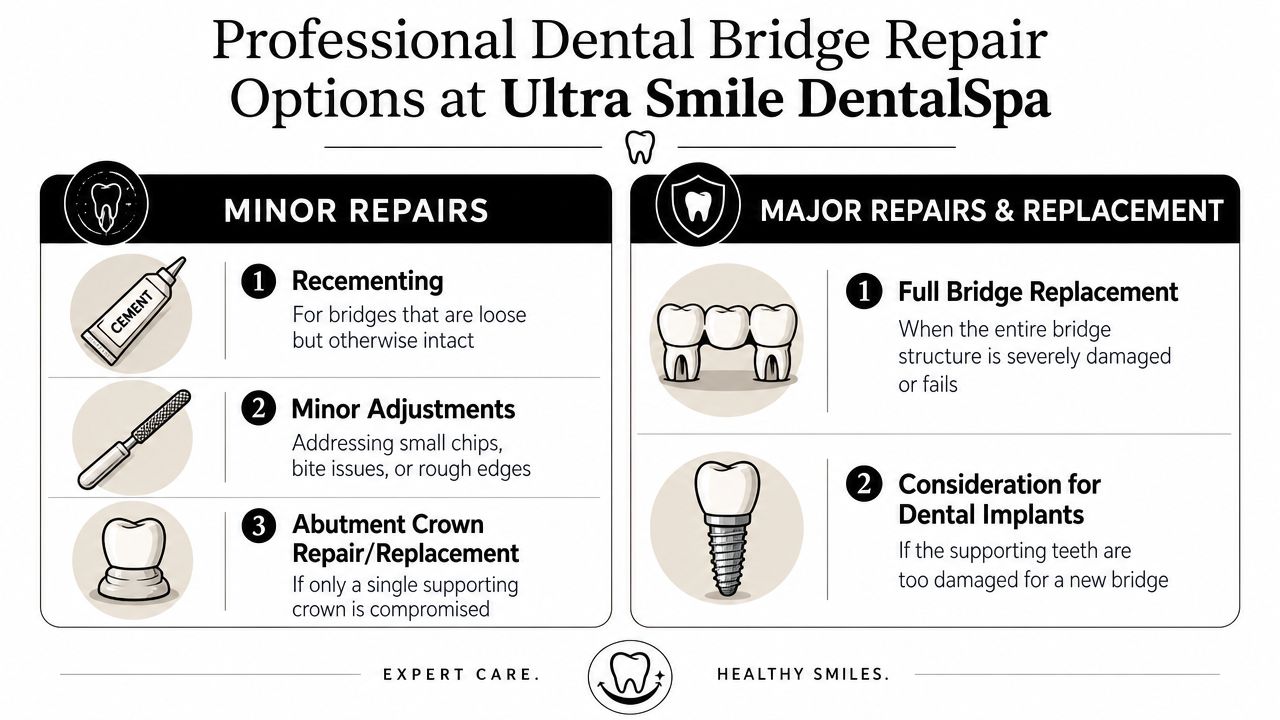
In practice, I look at three questions first. Is the bridge itself intact? Are the abutment teeth free of decay, fracture, or gum problems? Does the bridge still fit accurately at the margins and bite correctly? Those answers determine whether we can repair it safely or whether replacement gives you a better result.
When recementing works
Recementation is often the simplest professional repair, but only when the bridge has come loose because the cement failed and the support teeth remain sound. We remove old cement, clean the bridge and the teeth, check the fit under magnification, confirm the bite, and recement only if everything seats properly.
That distinction matters.
A bridge that is forced back onto a tooth with decay underneath, an open margin, or a distorted fit may feel stable for a short time, then loosen again, trap bacteria, or damage the abutment tooth. Patients often call this “just gluing it back on, but proper recementing is a diagnostic procedure as much as a repair.
When a targeted repair makes sense
Some bridges fail in a limited way and can be repaired without replacing the entire prosthesis. That is usually appropriate when the support is still strong and the problem is confined to the surface or bite.
Examples include:
- Small porcelain chips
- Limited edge roughness
- Minor cracks that do not involve the core structure
- Occlusal adjustments when the bite is creating localized stress
For porcelain or metal framework repairs, a more technical protocol may be used. One repair approach includes Zirconium Regular Primer (ZRP) to prime metal and porcelain together, followed by a bioactive adhesive that bonds with tooth, metal, and porcelain surfaces. The composite build-up can involve a flowable white opaque composite such as Titan as a base and an A3 exquisite composite for shade matching, followed by polishing and occlusion adjustment, as demonstrated in this technical bridge repair walkthrough.
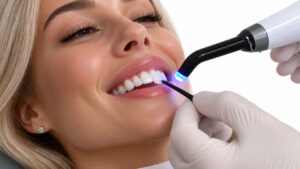
A general overview of the kinds of repairs discussed here can also be seen below.
When replacement is the safer choice
Some bridges should be replaced instead of patched. I recommend replacement when the bridge is failing because the foundation is failing.
Replacement is usually the better option when there is:
- Decay in a supporting tooth
- A fractured framework
- A poor margin or recurrent leakage
- Repeated loosening
- A design problem, such as an overly long span
This is also the point where long-term planning matters. If a bridge has failed more than once, or if the supporting teeth have already been heavily treated, repairing the same design again may only buy a little time. In many of those cases, patients are better served by reviewing dental bridge vs implant treatment options before committing to another repair cycle.
Here is the practical comparison most patients need during an emergency visit:
| Situation | Most likely recommendation | Main goal |
|---|---|---|
| Bridge intact, support healthy, cement failed | Recementing | Restore stability |
| Small chip or localized defect | Direct repair or adjustment | Preserve the existing bridge |
| Abutment tooth compromised | New crown, new bridge, or different restoration | Rebuild support |
| Framework damage or repeated failure | Full replacement | Improve long-term reliability |
At Ultra Smile DentalSpa, the goal is not to push every patient into the biggest procedure. The goal is to stop the emergency, protect the supporting teeth, and choose the repair that gives you the best chance of staying out of this situation again. For some patients, that means a careful same-day repair. For others, it means replacing a failed bridge with a stronger long-term solution.
Alternatives to Bridge Repair Dental Implants
A failed bridge often raises a better question than “Can it be fixed? The better question is “Should this be repaired again, or is it time for a stronger option? For many adults dealing with one or two missing teeth, the answer increasingly points toward dental implants.
Why implants change the conversation
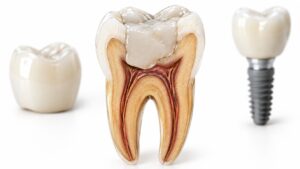
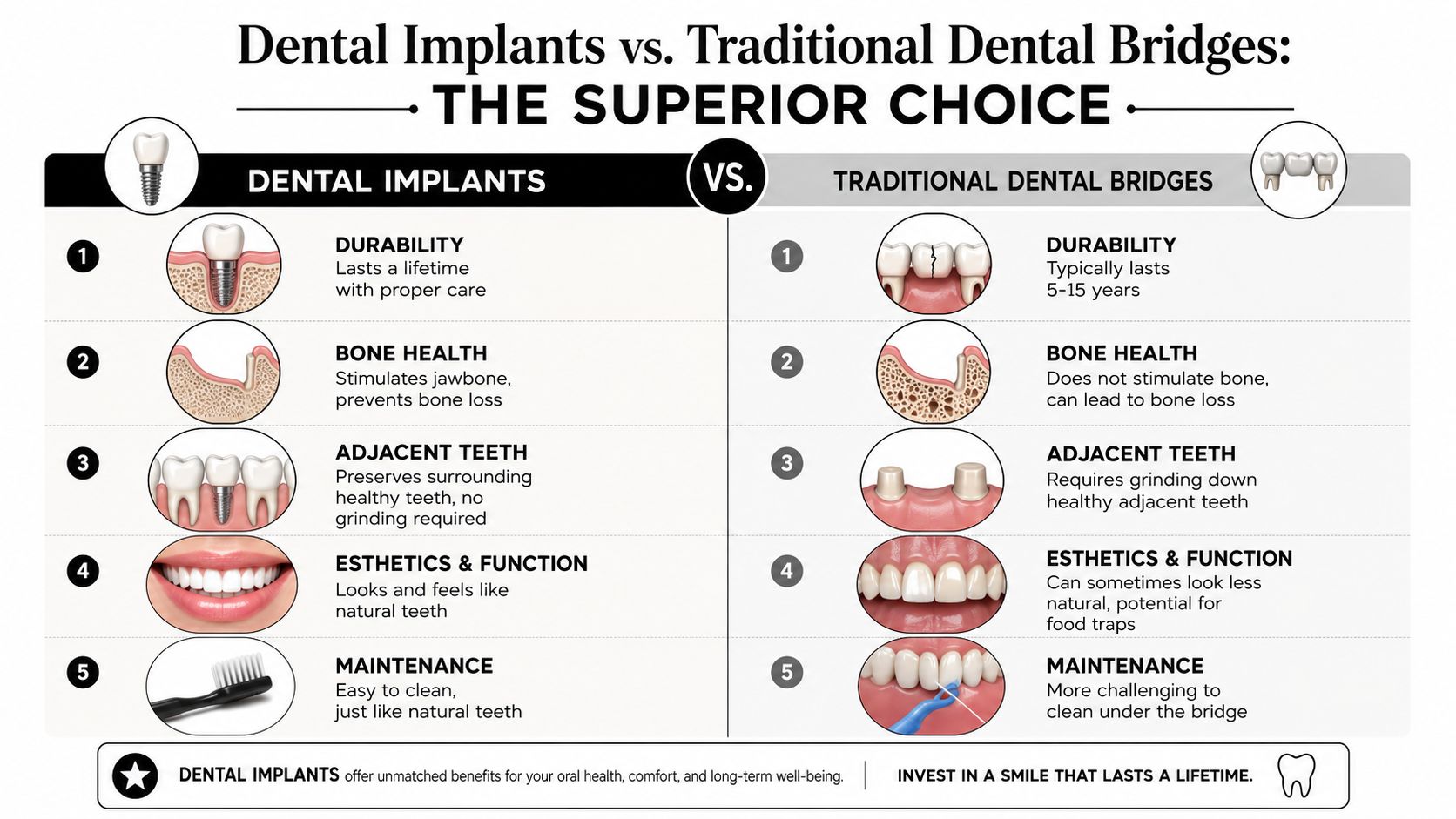
An implant is different from a bridge because it doesn't rely on neighboring teeth to hold the replacement in place. That matters when the old bridge failed because the support teeth developed decay or structural problems.
Guidance discussing failed bridges notes that prosthodontists increasingly recommend implants, especially for one or two missing teeth, because many loose bridges trace back to decay in the supporting teeth. An implant avoids that issue and offers stronger long-term stability, according to this discussion of failed bridge treatment choices.
That doesn't mean implants are the automatic answer for every patient. Bone support, bite forces, healing preferences, timeline, and budget all matter. Still, implants often become the better long-term restorative dentistry decision when repeated bridge repair would keep relying on teeth that are already compromised.
Bridge versus implant at a glance
Patients comparing options often focus on appearance first. Function and maintenance are just as important.
- A traditional bridge can restore chewing and appearance without surgery, but it depends on adjacent support and needs careful cleaning underneath.
- A dental implant stands on its own, which helps preserve neighboring teeth and often makes home care more straightforward.
- A replacement bridge may still be appropriate if adjacent teeth already need crowns.
- An implant-supported plan may be more attractive when preserving natural tooth structure is the priority.
For patients exploring the long-term differences, this page on dental bridge versus implant options can help frame the decision.
The best restoration isn't the one that saves the old dental work. It's the one that gives the mouth the most stable future.
This is also where cosmetic goals and functional goals overlap. Patients looking for a cosmetic dentist near me often start with the visible problem, but the right treatment plan also protects chewing comfort, hygiene access, and the health of nearby teeth.
Your Visit for Bridge Repair at Ultra Smile DentalSpa
Emergency dental visits feel easier when patients know what will happen before they arrive. A calm setting, clear communication, and efficient diagnostics can lower stress quickly, especially for someone already worried about pain, appearance, or the possibility of a lost restoration.

What happens at the appointment
The first step is evaluation. That usually includes a close exam of the bridge, the supporting teeth, the gumline, and the bite. If needed, digital dental x-rays help show whether the abutment teeth are sound, whether decay is present, and whether the bridge still fits the way it should.
From there, the appointment becomes a decision visit. Some patients need immediate stabilization. Others need a direct repair, a replacement plan, or a conversation about dental implants near me because the old bridge is no longer the best foundation.
A typical visit may include:
- A focused exam to identify whether the problem is cement, porcelain, decay, fit, or fracture
- Imaging when necessary to assess hidden damage
- Bite analysis to see whether pressure contributed to the failure
- A treatment plan that explains what can be repaired today and what should be replaced for long-term stability
Comfort matters during emergency care
Patients with dental anxiety often delay bridge care because they expect a cold, clinical experience. A spa-like environment changes that. Comfort amenities, a slower pace during explanation, and attention to sensory details can make urgent restorative care feel manageable.
At Ultra Smile DentalSpa, patients in Downtown Miami, Midtown Miami, and Hallandale Beach are welcomed into a setting built to reduce stress. The office combines advanced dentistry with touches such as refreshments, custom aromatherapy, streaming entertainment during treatment, and a soothing hot towel finish. That matters for emergency visits, especially when someone is embarrassed by a broken front bridge or uneasy about needing more extensive restorative work.
For many patients, the most reassuring part isn't the technology. It's hearing a clear answer after the exam. Is this a simple repair, a replacement, or the moment to consider implants?
Frequently Asked Questions About Dental Bridges
Bridge problems create practical questions fast. Cost, timing, and longevity usually matter just as much as the repair itself.
How much does bridge repair cost
Cost depends on what the dentist finds after the bridge and support teeth are examined. According to the verified cost guidance used here, recementing or simple repairs can range from $500 to $1,500, while a full replacement of a standard bridge can be significantly more. Implant-supported restorations cost more upfront but may offer greater longevity.
The most important point is that the fee usually follows the diagnosis. A bridge that only needs recementing is a very different case from one with hidden decay, margin breakdown, or a failed abutment tooth.
How long does a repaired or new bridge last
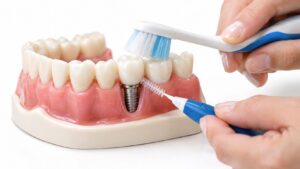
Longevity depends on the health of the supporting teeth, the bite, and daily cleaning. Earlier in this article, the clinical survival and lifespan data showed why maintenance matters. In day-to-day care, the practical habits are straightforward:
- Clean under the pontic daily with tools designed for bridge hygiene
- Use non-abrasive fluoride toothpaste instead of harsh products
- Keep regular cleaning and exams so hidden decay is caught early
- Report looseness early before the support teeth worsen
Patients who are also overdue for new patient exams, cleaning and exams, or updated dental x-rays often benefit from handling those needs as part of the same restorative plan.
Can a stained or cracked bridge be fixed
Sometimes, yes. Minor chips may be repairable, especially when the bridge structure is otherwise solid. Staining is different. Whitening strips and whitening gels don't change the color of porcelain or similar prosthetic materials, so professional cleaning and polishing are the appropriate approach.
A crack should never be dismissed casually. A tiny visible line may be superficial, or it may reflect a deeper structural problem. If the bridge feels normal and the crack is only cosmetic, the repair may be conservative. If the bridge moves, traps food, or changes the bite, a larger fix is more likely.
A bridge issue can also uncover a broader treatment need. If the support teeth aren't restorable, the conversation may shift toward tooth extraction, implant planning, or another restorative dentistry solution designed to protect long-term oral health.
If a bridge has come loose, cracked, or failed, the next step should be clear and calm. Ultra Smile DentalSpa provides advanced, gentle care for patients in Miami who need answers quickly, whether the right solution is recementing, cosmetic repair, full replacement, or a move to implants. Schedule an appointment to get the problem diagnosed properly and treated with comfort, precision, and a plan that fits your smile.