Sedation Dentist Near Me: Why More Patients Are Choosing Anxiety-Free Dental Care
Putting off necessary oral healthcare because of severe fear is incredibly common. For decades, patients have forced themselves to endure tremendous stress just to get their teeth cleaned or repaired. However, modern medicine has made white-knuckling your way through a dental appointment completely unnecessary.
This guide breaks down exactly how sedation dentistry works, demystifying the medications and protocols designed for ultimate patient comfort. When searching for a “sedation dentist near me,” individuals often want to know exactly what the process entails before committing to a consultation. Understanding the science behind the relaxation process removes the mystery and helps build confidence in the treatment plan.
You will learn about the different levels of sedation available, who makes an ideal candidate, strict safety measures, and how to prepare for an anxiety-free procedure. By exploring these topics, patients can finally access the critical dental care they need without enduring panic or discomfort.
Understanding the Root of Dental Anxiety
The Psychology Behind the Fear
Previous negative experiences, a fear of needles, or the feeling of losing control often trigger intense psychological barriers to booking an appointment. Patients frequently associate the dental chair with vulnerability, causing their brains to activate a strong fight-or-flight response. This psychological block is rarely a choice, but rather a deeply ingrained trauma response that requires compassionate medical intervention.
Physical Symptoms of Dental Phobia
Severe anxiety manifests physically, causing racing heartbeats, panic attacks, and severe muscle tension just from sitting in the waiting room. These involuntary bodily responses make it physically painful to endure even basic cleanings, turning a simple checkup into an exhausting ordeal. The nervous system becomes so overwhelmed that standard relaxation techniques completely fail to calm the patient down.
The Danger of Delaying Routine Care
Skipping basic cleanings due to fear eventually forces individuals into much more complex, painful, and expensive emergency procedures down the road. Small cavities can quickly develop into severe infections requiring root canals or dental extractions when left untreated. Avoiding the clinic only magnifies the initial problem, creating a vicious cycle of fear and declining oral health.

What Exactly is Sedation Dentistry?
Defining the Practice
Dental professionals use safe, targeted medications to help patients reach a state of deep relaxation during their treatments. This practice alters the central nervous system to reduce anxiety and create a calm, peaceful experience in the dental chair. By addressing the mind’s panic response directly, clinicians can perform necessary dental work while the patient rests comfortably.
The Myth of Being “Put Under”
There is a major difference between conscious sedation, where a patient remains awake but deeply relaxed, and the general anesthesia used in major hospital surgeries. Most dental sedation allows individuals to respond to verbal cues while remaining blissfully unaware of the actual dental work. The body breathes on its own naturally, avoiding the heavy risks associated with operating room anesthetics.
How It Differs from Local Numbing
Sedation is used to calm the mind and central nervous system, while local anesthetics are still required to numb the physical nerve endings in the mouth. Dentists administer the numbing injections only after the sedative takes full effect, ensuring complete physical and mental comfort. This two-pronged approach eliminates both the psychological terror and the physical pain of dental procedures.
Exploring the Different Levels of Sedation
Nitrous Oxide for Mild Anxiety
Often called “laughing gas,” this provides a mild, inhaled sedative that takes effect instantly and wears off completely before patients even leave the clinic. This breathable gas provides a gentle wave of relaxation, making it perfect for those who just need a little help taking the edge off their nerves. Patients can even drive themselves home after the appointment because the effects dissipate within minutes.
Oral Conscious Sedation for Moderate Fear
Taking a prescribed anti dental anxiety pill an hour before an appointment places patients in a deeply relaxed, groggy state where they remember very little. This pill-based approach requires no needles for administration and effectively handles moderate phobias. By the time the patient sits in the clinical chair, the medication has already blocked out the environmental stressors of the office.
Intravenous (IV) Sedation for Deep Relaxation
This fast-acting, doctor-controlled method delivers medication directly into the bloodstream, perfect for highly fearful patients or complex surgeries. The dentist can adjust the dosage throughout the procedure to maintain the exact right level of comfort at all times. It offers the deepest level of conscious sedation available, virtually guaranteeing a stress-free experience.
Who Makes the Ideal Candidate for Sedation?
Patients with Severe Gag Reflexes
Sedation medications naturally suppress the body’s involuntary gag reflex, allowing the dentist to work efficiently at the back of the throat. This suppression makes taking impressions and performing deep cleanings vastly more comfortable for sensitive individuals. The relaxing effect prevents the throat muscles from constantly spasming, speeding up the entire dental procedure.
Individuals Requiring Complex, Lengthy Procedures
Deep relaxation allows doctors to consolidate multiple root canals, extractions, or implant placements into a single, comfortable marathon visit. Patients save valuable time by avoiding multiple separate appointments and wake up with their comprehensive dental work completely finished. Sitting still for several hours becomes effortless when the mind is fully relaxed by medication.
Those with High Resistance to Local Anesthetics
Patients who struggle to get fully numb from standard injections find an excellent solution with sedation, as it lowers the body’s overall pain perception. The medication alters how the brain processes discomfort, ensuring a painless experience even for those who typically resist local anesthetics. It bridges the gap for individuals with unique metabolisms that normally burn through standard numbing agents too quickly.
The Safety and Monitoring Protocols
Rigorous Pre-Treatment Medical Reviews
Dentists must carefully review a patient’s complete medical history and current prescriptions to prevent negative drug interactions. This thorough background check ensures the chosen sedative matches the individual’s physiological profile perfectly. Taking the time to evaluate underlying health conditions guarantees the medications will process safely through the liver and kidneys.
Continuous Vital Sign Tracking
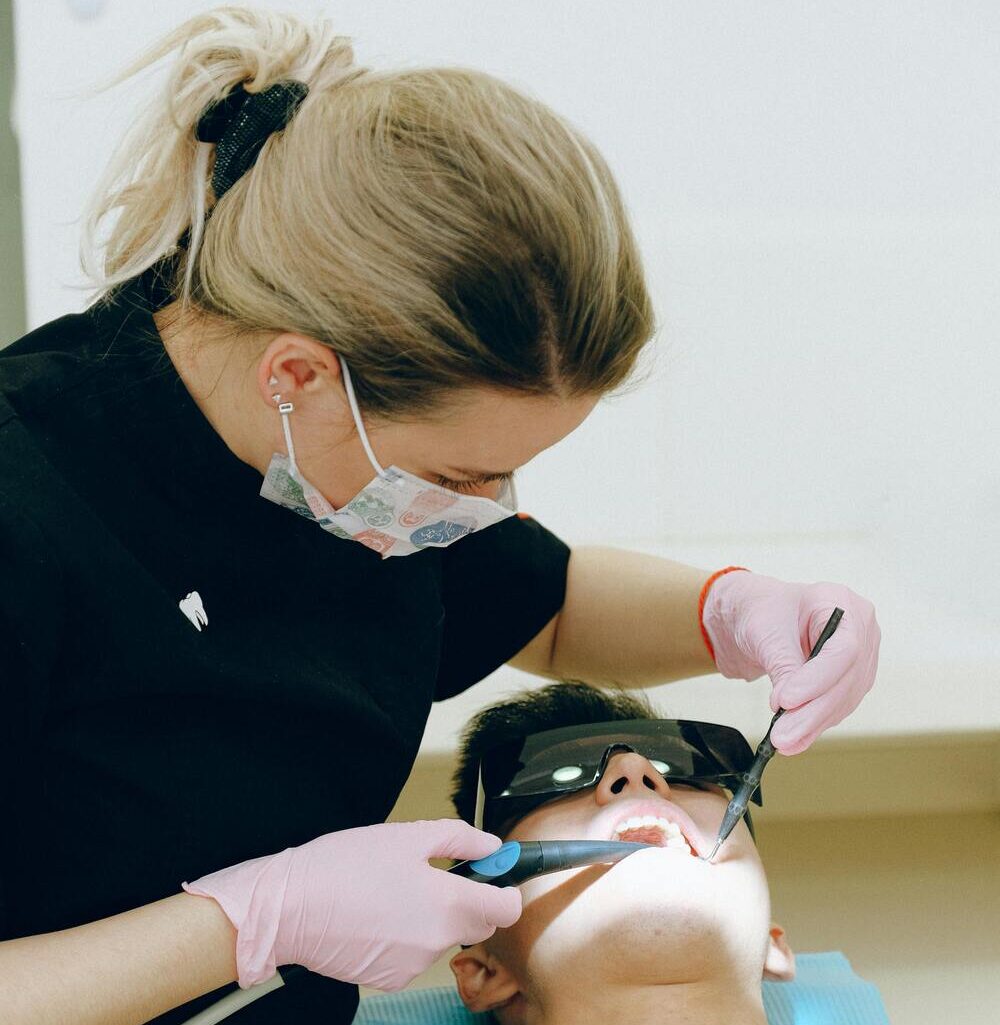
Clinical teams use advanced pulse oximeters and blood pressure cuffs to monitor heart rates and oxygen levels every single second a patient is sedated. Constant technological observation guarantees the body responds safely to the relaxation medications throughout the entire appointment. If any vital sign fluctuates, the highly trained staff can adjust the environment immediately.
The Importance of a Certified Sedation Provider
Patients must specifically seek out a dentist who holds advanced, state-regulated certifications and training in airway management and emergency protocols. Proper credentials prove the clinical staff has mastered the exact medical protocols required to administer specialized medications safely. This rigorous education standard separates standard dental practitioners from true sedation specialists.
Experiencing the Ultra Smile Approach to Anxiety-Free Care
A Compassionate, Judgment-Free Consultation
The Ultra Smile team prioritizes listening to specific fears and emotional triggers before ever asking a patient to open their mouth. This conversational approach builds vital trust and ensures the clinical staff completely understands the root causes of the individual’s dental phobia. A focus on empathy guarantees patients never feel embarrassed about the current state of their oral health.
Tailoring the Sedation to Your Specific Needs
These clinical experts calculate the exact right dosage and method of sedation based on unique body mass, medical history, and fear levels. A customized medication plan guarantees the sedative performs optimally without overmedicating or undermedicating the individual. Precision dosing ensures maximum comfort while strictly maintaining the highest medical safety standards.
Creating a Calming Clinic Environment
The practice pairs medication with sensory controls, utilizing weighted blankets, noise-canceling headphones, and soothing aromatherapy. This holistic dedication to comfort transforms the standard clinical atmosphere into a peaceful retreat designed specifically to melt stress away. By controlling lighting and sound, the clinic prevents environmental triggers from disrupting the calming effects of the sedative.
Preparing for Your Sedation Appointment
Dietary Restrictions and Fasting Rules
Patients must memorize the strict guidelines regarding when to stop eating and drinking prior to oral or IV sedation to prevent nausea and ensure total safety. Following these fasting rules keeps the airway completely clear and prevents respiratory complications while the body rests in a sedated state. Clinics provide explicit cutoff times for food and water to eliminate unnecessary procedural risks.
Arranging Safe Transportation
Clinics legally require patients to have a trusted friend or family member drive them to the office and escort them safely back home after the procedure. Because sedatives heavily impair motor skills and judgment, walking, taking public transit, or using rideshares alone remains strictly prohibited. A designated escort ensures the patient transitions safely from the clinic chair to their own bed.
Dressing for Absolute Comfort
Wearing loose, breathable clothing with short sleeves to an appointment allows for easy relaxation and gives the doctor quick access for blood pressure cuffs. Comfortable attire prevents restricted breathing and ensures monitoring equipment attaches flawlessly to the skin. Leaving tight belts and heavy layers at home helps the body regulate its temperature smoothly while under the effects of medication.
The Post-Procedure Recovery Process
What to Expect Immediately After Waking
Patients should anticipate the common side effects of lingering grogginess, slow reflexes, and the pleasant “amnesia” effect that makes them forget the procedure entirely. This mild confusion is completely normal and fades steadily as the bloodstream clears the medications over the next several hours. Having a quiet, dark room prepared at home provides the perfect environment to sleep off these residual effects.
Managing Pain and Swelling at Home
Transitioning smoothly from the effects of sedation to a prescribed at-home pain management routine becomes critical as the local numbing agents wear off. Staying ahead of the discomfort with over-the-counter or prescribed analgesics ensures the recovery phase remains just as peaceful as the surgery. Following the doctor’s icing instructions keeps swelling down while the jaw heals.
Transitioning Back to Normal Activities
A clear timeline dictates when it is safe to operate heavy machinery, drive a car, or make important financial decisions following a sedation appointment. Most medical professionals recommend resting quietly for a full twenty-four hours before resuming any physically or mentally demanding tasks. Allowing the central nervous system to completely reset guarantees a safe return to everyday life.
Achieve a Healthy Smile Without Fear
Sedation dentistry provides a safe, highly monitored solution that completely removes the barrier of fear. This modern approach allows patients to achieve a healthy smile without the emotional trauma of standard dental visits, preserving both oral health and peace of mind. By utilizing targeted medications and compassionate care, clinical professionals can repair years of dental damage in just one or two easy appointments.
Pick up the phone today to schedule a simple, no-pressure consultation with a certified local sedation dentist to discuss your anxiety. Building a customized treatment plan opens the door to a lifetime of painless, stress-free dental care. Protecting your overall health starts by taking that first comfortable step toward a brighter, healthier smile.
Ultra Smile DentaSpa
https://maps.app.goo.gl/aZyhKAnrJbTXqQFv8
(305) 676-5330
111 NE 32nd St, Miami, FL 33137, United States
https://www.ultrasmilemiami.com/