How Much Are Dental Implants? A Clear Breakdown of Real Costs You Can Expect
Replacing a missing tooth is a major life decision, and looking at the initial price tag often leaves patients with more questions than answers. When researching “how much are dental implants,” you will quickly discover that the final number depends on several unique factors related to your specific oral health. Instead of feeling overwhelmed by a single large quote, it helps to look at the process as a series of distinct medical steps.
This guide breaks down the financial reality of dental implants step-by-step, helping you understand exactly where your money goes and how to plan for the investment. By examining the process piece by piece, you can gain a clearer picture of the actual value provided by dental professionals.
You will learn about the individual components of an implant, the cost of necessary preparatory procedures, how to maximize your dental insurance, and practical ways to finance your treatment. Armed with this knowledge, you can confidently navigate your treatment plan without any hidden financial surprises.
The Initial Consultation and Diagnostic Fees
Comprehensive Dental Examinations
Your journey begins with a thorough clinical review of your oral health, gum tissue, and bite alignment, which carries its own distinct exam fee. A dentist must carefully evaluate the current state of your mouth to determine if you are a suitable candidate for implant surgery. This initial step prevents future complications by identifying any underlying issues, such as gum disease or hidden infections, that could compromise the success of the treatment.
Advanced 3D Imaging Scans
Standard X-rays do not provide enough detail for a complex surgical procedure, making specialized Cone Beam CT (CBCT) scans a necessary investment for safe surgical mapping. These advanced 3D scans give the surgical team a complete view of your jawbone density, nerve pathways, and sinus cavities. Paying for this high-level diagnostic imaging ensures the implant is placed with pinpoint accuracy, greatly reducing the risk of nerve damage or implant failure.
Custom Treatment Planning
Drafting a customized surgical plan tailored specifically to your facial structure and health needs requires significant time and expertise from your dental specialist. Every patient has a unique jaw structure, meaning there is no one-size-fits-all approach to restorative dentistry. The fee associated with treatment planning covers the behind-the-scenes work where specialists map out the exact angle, depth, and size of the implant required for a flawless result.

Preparatory Surgeries and Foundation Building
Surgical Tooth Extractions
The complexity of removing a damaged or decayed tooth directly impacts your total bill, especially if the tooth is impacted or fractured below the gumline. A simple tooth extraction usually costs less, whereas a surgical extraction requiring sectioning of the tooth takes more time and skill.
Bone Grafting Materials and Procedures
A sturdy foundation is non-negotiable, and you can expect to pay additional fees if your jawbone needs rebuilding before it can support a titanium post. When a tooth is missing for an extended period, the jawbone naturally begins to deteriorate and shrink. Bone grafting adds specially treated minerals to the surgical site, stimulating natural bone growth to create a solid anchor point that will keep the implant perfectly stable for decades.
Sinus Lift Modifications
Elevating the sinus membrane in your upper jaw to safely accommodate an implant carries specific surgical costs to prevent penetrating the sinus cavity. The upper back jaw notoriously lacks deep bone structure, placing the sinus cavity dangerously close to the tooth roots. A sinus lift carefully raises that membrane and packs bone graft material underneath it, ensuring the implant has plenty of vertical bone to hold onto without causing painful sinus complications.
The Surgical Placement and Implant Post
Titanium vs. Zirconia Materials
Comparing the base costs of standard medical-grade titanium implants against newer, metal-free zirconia alternatives reveals distinct pricing tiers. Titanium has been the gold standard for decades due to its incredible strength and ability to fuse naturally with human bone. However, patients with specific metal sensitivities or high aesthetic demands often choose zirconia, which typically carries a higher price tag due to manufacturing complexities.
Specialist Surgical Fees
Paying for an experienced oral surgeon or periodontist brings immense value, as their advanced surgical training minimizes risks and ensures proper placement. While a general dentist might offer a lower fee, specialists dedicate years of extra education solely to complex surgical procedures and implantology.
Anesthesia and Sedation Options
Review the sliding scale of comfort costs, which range from basic local anesthetics included in your surgery to the premium price of deep intravenous (IV) sedation. Local numbing injections are highly effective and keep costs down for patients who feel comfortable staying awake during the procedure. For those experiencing severe dental anxiety or undergoing multiple implant placements, paying extra for IV sedation guarantees a completely stress-free experience where you sleep right through the appointment.
The Abutment and Temporary Crown Phase
Pricing the Connecting Abutment
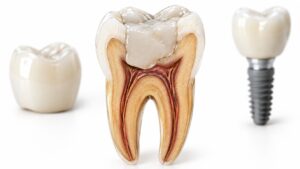
You pay separately for this crucial connector piece that sits directly above the gumline and anchors your future tooth to the surgical post hidden in the jaw. The abutment must be incredibly durable to withstand the daily forces of chewing and speaking. Sometimes these pieces are stock-manufactured, but often they are custom-milled to perfectly match the contours of your gums, which adds to the overall cost of the hardware.
Healing Collars and Gum Shaping
Small components are used to guide your gum tissue as it heals around the implant, creating a natural-looking emergence profile. These healing caps force the gum tissue to heal in a perfect circle, mimicking the way gums naturally wrap around a real tooth. This meticulous soft-tissue management is essential for a highly aesthetic final result, ensuring the artificial tooth never looks bulky or unnatural at the gumline.
Temporary Aesthetic Restorations
Wearing a temporary crown or “flipper” tooth during your multi-month healing phase costs extra, but ensures you never have to walk around with a visible gap. Because the titanium post needs several months to fully integrate with the bone before it can handle heavy chewing forces, a lightweight temporary tooth fills the visual void.
Crafting the Final Custom Crown
Dental Laboratory Fabrication
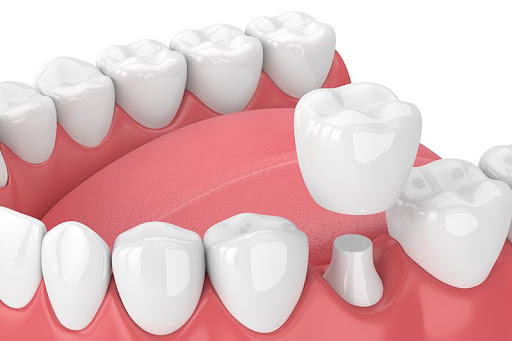
The artistry and technical skill required by dental technicians to sculpt a tooth that flawlessly matches your natural smile represent a significant portion of the cost. Master ceramists spend hours layering porcelain to mimic the exact translucency, color gradients, and tiny ridges of your surrounding teeth.
Material Selections for the Crown
Evaluating the price differences between porcelain-fused-to-metal crowns and highly durable, all-ceramic or pure zirconia crowns helps patients make an informed choice. Metal-based dental crowns offer excellent durability at a slightly lower cost, but they can eventually show a dark line near the gums. Premium ceramic and zirconia materials cost more upfront but deliver unmatched strength and a lifelike translucency that remains beautifully natural for years.
Fitting and Bite Adjustments
The final price includes multiple fittings and micro-adjustments to ensure your new tooth hits your opposing teeth perfectly when you chew. If a crown sits even a fraction of a millimeter too high, it can cause severe jaw pain, headaches, or damage to the opposing teeth. Dentists take extensive time during the final delivery appointment to polish and adjust the crown, guaranteeing a comfortable and functional bite.
The Ultra Smile Approach to Transparent Pricing
Providing All-Inclusive Estimates
The Ultra Smile clinical team eliminates financial anxiety by handing patients a completely clear, itemized quote covering every phase before they commit to surgery. By laying out the costs of diagnostics, parts, and labor on a single document, patients can make fully informed decisions without fear of hidden bills.
Bundling Post-Operative Care
Choosing a clinic that includes essential follow-up visits, healing checks, and adjustment appointments in the primary surgical fee offers a tremendous financial benefit. Recovery requires careful monitoring to ensure the gums are healing properly and the bone is successfully fusing to the implant. Bundled care means patients never hesitate to schedule a quick check-up if something feels off, knowing they will not be hit with an unexpected office visit charge.
Prioritizing Long-Term ROI
Investing in premium materials and precise digital workflows prevents costly future implant failures and extensive revision surgeries. Cheaper, generic implants often lack the clinical research and quality control of premium brands, leading to higher rates of loosening or cracking over time. Paying for high-quality care upfront ultimately saves money, as a properly placed, top-tier implant is designed to last a lifetime.
Navigating Dental Insurance Contributions
Decoding Annual Maximum Allowances
Strategically scheduling a procedure across two different calendar years maximizes insurance payouts and lowers the out-of-pocket burden. Most dental insurance plans cap their total annual payout between $1,000 and $2,000, which a dental implant procedure can easily exhaust.
Understanding Cosmetic Exclusions
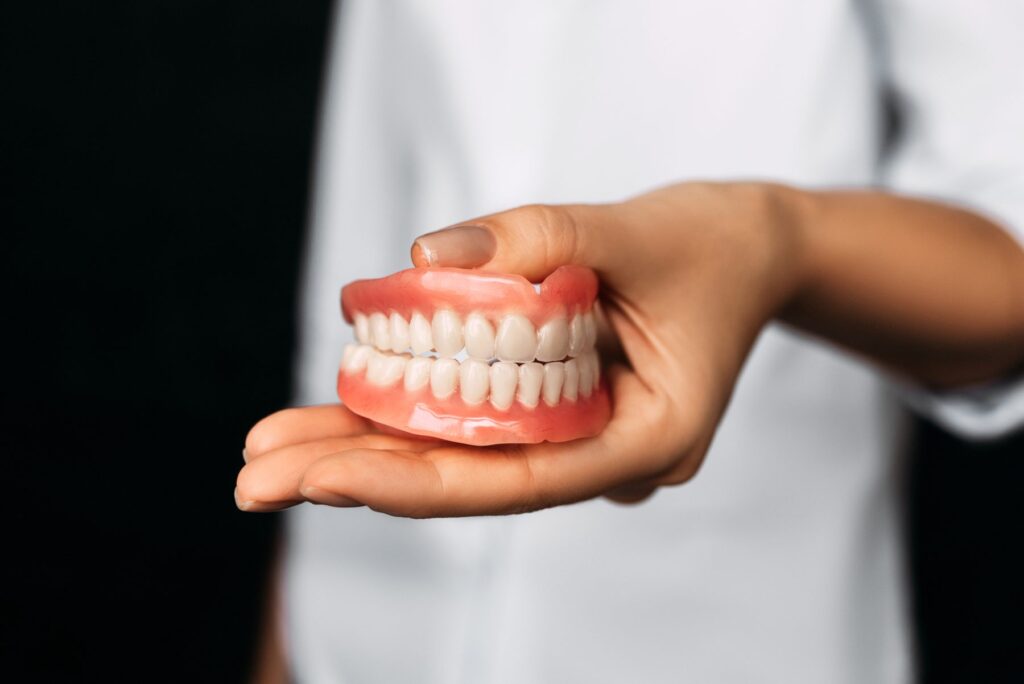
Many insurance carriers gladly cover the final crown and tooth extractions while still refusing to cover the surgical implant post itself. Dental insurance companies often classify the titanium screw as an elective or “cosmetic” upgrade, preferring to only pay for cheaper alternatives like traditional dentures or bridges.
Securing a Pre-Determination of Benefits
A billing coordinator can submit a formal request to an insurance provider to guarantee exactly what will be paid before a patient ever sits in the surgical chair. This pre-determination process removes the guesswork from dental billing by forcing the insurance company to review the specific treatment codes in advance. Once approved, patients receive a binding document outlining the exact dollar amount the insurance company will contribute to the total cost.
Smart Financing Options and Payment Plans
Leveraging Health Savings Accounts (HSAs)
Using pre-tax dollars from an HSA or Flexible Spending Account (FSA) effectively gives patients a significant discount on comprehensive restorative surgery. These specialized accounts allow individuals to set aside a portion of their paycheck before taxes are applied, specifically for medical expenses.
Third-Party Medical Lenders
Popular financing options like CareCredit often offer promotional zero-percent interest periods to help patients manage the cost over 12 to 24 months. These specialized healthcare credit cards divide a daunting lump sum into highly manageable monthly payments. As long as the balance is paid off within the promotional window, patients can finance their brand-new smile without paying a single dime in interest charges.
In-House Office Memberships
Many modern dental practices now offer their own subscription models or direct payment plans to make comprehensive care accessible for uninsured patients. These in-house plans often charge a flat annual fee that covers basic cleanings and exams, while unlocking steep percentage discounts on major surgical procedures.
Making a Smart Investment in Your Smile
While the total cost of dental implants represents a significant financial commitment, understanding the breakdown of diagnostics, materials, and surgical expertise proves that you are investing in a permanent, high-quality medical solution. Unlike traditional dentures or bridges that require frequent replacements and adjustments, a properly placed implant offers a lifelong return on investment.
Gather your dental insurance details and call a trusted local implant provider today to schedule a consultation and request a completely transparent price estimate for your unique smile.”
Ultra Smile DentaSpa
https://maps.app.goo.gl/aZyhKAnrJbTXqQFv8
(305) 676-5330
111 NE 32nd St, Miami, FL 33137, United States
https://www.ultrasmilemiami.com/