Emergency Dentist Near Me: What to Do Before You Even Arrive at the Clinic
Dental emergencies often strike without warning, turning a normal afternoon into a stressful scramble for immediate care. A sudden injury, an unexpected wave of severe pain, or a cracked tooth requires quick action to prevent further complications. Knowing exactly how to handle the initial moments of a crisis makes a massive difference in long-term oral health and recovery.
While the natural instinct is to rush directly to a clinic, staying calm during these urgent moments is absolutely crucial. Panic clouds judgment, leading to rushed decisions or improper first aid that might actually worsen the injury. Taking a deep breath and systematically evaluating the problem allows patients to communicate clearly with professionals and take the right temporary measures.
Preparation before even stepping foot in a clinic heavily influences the final treatment outcome. From applying basic first aid to gathering essential medical information, the steps taken at home set the stage for a smoother professional intervention. This guide outlines everything you need to know to hire a emergency dentist near me.
Understanding What Qualifies as a Dental Emergency
Severe tooth pain or swelling that requires immediate attention
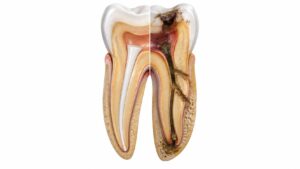
Intense, unyielding tooth pain or sudden facial swelling usually signals a severe underlying issue that cannot wait for a routine appointment. Swelling, particularly when it spreads to the neck or affects breathing, indicates a rapidly spreading infection requiring immediate professional intervention.
Knocked-out, broken, or fractured teeth situations
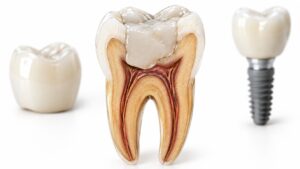
Physical trauma resulting in knocked-out, shattered, or deeply fractured teeth requires urgent care to save the natural tooth structure. If an entire tooth gets dislodged, preserving it correctly and reaching a clinic within an hour greatly increases the chances of successful reimplantation. In cases where a tooth cannot be saved, patients might later need to consider a dental implant to restore full functionality and appearance.
Signs of infection such as abscesses or uncontrolled bleeding
A dental abscess, which looks like a painful, pus-filled bump on the gums, is a serious infection that can spread quickly through the body if left untreated. Likewise, bleeding that does not stop after applying gentle pressure for fifteen minutes is a clear sign that immediate medical help is necessary.

Staying Calm and Assessing the Situation Quickly
How to evaluate pain level and visible damage safely
Carefully examine the inside of the mouth using a flashlight and a mirror, looking closely for visible cracks, bleeding, or localized swelling. Rate the pain on a scale from one to ten, noting whether it throbs constantly or only hurts when applying pressure. This initial assessment provides vital clues about the severity of the injury without requiring any invasive prodding that could cause further harm.
Steps to avoid panic during sudden dental incidents
Taking slow, deep breaths helps lower the heart rate and clears the mind after a sudden impact or the onset of severe pain. Having a trusted friend or family member sit nearby can provide immediate emotional support and assistance with making phone calls. Focusing strictly on the immediate next steps, rather than worrying about long-term consequences, keeps anxiety levels manageable during the crisis.
When to decide between home care and urgent clinic visit
Minor issues like a small, painless chip or a slightly loose crown can usually wait for a scheduled appointment a few days later. However, excruciating pain, heavy bleeding, or a completely dislodged tooth demand a rapid trip to an emergency clinic. When in doubt about the severity of the situation, calling a professional for an initial phone consultation is always the safest approach.
Immediate First Aid Steps You Can Take at Home
Rinsing and cleaning the mouth safely without worsening injury
Gently rinsing the mouth with warm water helps clear away blood, dirt, and debris to provide a better view of the damaged area. Avoid using alcohol-based mouthwashes, as these will irritate open wounds and cause severe stinging. If a tooth has been knocked out, rinse it very gently with milk or saline solution, but never scrub the sensitive root surface.
Using cold compresses to reduce swelling and pain
Applying a cold compress or a wrapped ice pack to the outside of the cheek significantly reduces both swelling and localized pain. Hold the cold pack against the face for fifteen minutes at a time, taking a short break before reapplying it to prevent skin damage. This simple step constricts blood vessels, slowing down bleeding and numbing the area temporarily while preparing for transport.
Temporary pain relief methods before professional care
Taking over-the-counter anti-inflammatory medications like ibuprofen can help manage intense throbbing before arriving at the dentist. Never crush painkillers and apply them directly to the gums or the injured tooth, as this can cause severe chemical burns to the soft tissue. Clove oil applied very sparingly to a painful area with a cotton swab can also offer temporary numbing relief.
How to Quickly Search for an Emergency Dentist Near You
Using search engines and maps effectively for fast results
Typing specific queries like “emergency dentist near me” into a map application provides a quick list of the closest available options based on real-time location. If the emergency results in a lost tooth that requires future restoration, you might also search for “dental implants near me” later on, but the immediate focus should be stopping the crisis.
Identifying clinics labeled as “emergency or “same-day care
Look closely at clinic websites or directory listings for specific keywords like “24/7 emergency care,” “walk-ins welcome,” or “same-day appointments.” Not all general practices handle urgent trauma cases, so finding a specialized emergency facility prevents wasted trips. Many clinics also display a dedicated emergency hotline number prominently on their homepage for after-hours situations.
Checking availability and operating hours in real time
Always call the clinic directly before getting in the car to confirm they are currently open and have an emergency dentist on duty. Automated answering machines often provide alternative numbers or redirect callers to an affiliated on-call professional if the primary office is closed. Verifying this information takes only a minute but saves precious time that might otherwise be spent driving to a locked building.
What Information to Prepare Before Calling the Clinic
Describing symptoms clearly for faster triage support
Provide the receptionist with a concise summary of the problem, including when the pain started, the exact location of the injury, and the intensity of the symptoms. Mention any visible physical changes, such as facial swelling, excessive bleeding, or teeth that are visibly broken.
Sharing medical history or allergies when necessary
Be prepared to list any current medications, underlying health conditions, or known allergies to anesthetics and antibiotics. This critical medical background ensures the dentist can safely administer pain relief and plan a treatment strategy without causing adverse reactions. Having this information written down on a piece of paper beforehand prevents memory lapses during a stressful phone call.
Asking about wait times and emergency handling procedures
Inquire about how quickly the dentist can see a patient upon arrival and whether there are specific intake protocols to follow at the front desk. Some busy clinics might recommend a slightly different location if their current emergency wait time spans several hours. Knowing what to expect upon walking through the clinic doors helps manage expectations and reduces waiting room anxiety.
What to Avoid Doing Before Reaching the Dentist
Avoiding self-medication that could worsen the condition
Never attempt to pull a loose tooth or drain an abscess at home, as these actions quickly lead to severe secondary infections. Applying topical numbing gels excessively can sometimes mask important symptoms that the dentist needs to evaluate accurately. Stick strictly to basic first aid and leave all invasive procedures and diagnoses to trained medical professionals.
Not ignoring persistent pain or swelling signs
Hoping that severe pain will simply disappear overnight is a dangerous strategy that allows infections to spread deeper into the jawbone. Dental problems rarely resolve themselves without intervention, and delaying care often turns a simple fix into a highly complex, expensive procedure.
Steering clear of delaying treatment due to uncertainty
Hesitating to seek help because you are unsure if the situation qualifies as a “true” emergency wastes valuable time. It is always better to have a professional evaluate a minor injury than to accidentally neglect a serious condition. If a tooth is knocked out, the window for successful reimplantation closes rapidly, making immediate action absolutely mandatory.
Preparing for a Smooth Emergency Dental Visit
Bringing identification and insurance details if available
Grab a driver’s license, dental insurance card, and any preferred payment methods before rushing out the door. Having these administrative documents ready allows the front desk staff to process the paperwork quickly so the dentist can begin treatment faster. If the paperwork is disorganized, it adds unnecessary delays to receiving much-needed pain relief.
Organizing transportation in case of severe pain or trauma
Never attempt to drive if the pain is blinding, if heavy dental pain medication has been taken, or if the injury causes dizziness. Ask a family member, friend, or rideshare service to handle the driving to ensure a safe arrival at the clinic. Having a companion along also provides an extra set of ears to listen to the dentist’s post-care instructions.
Mentally preparing for possible immediate treatment procedures
Understand that the primary goal of an emergency visit is to stabilize the injury, stop the pain, and clear any immediate infections. The dentist might perform a quick extraction, prescribe antibiotics, or apply a temporary crown, scheduling more permanent fixes for a later date. If a dental extraction is necessary, the dentist will likely discuss future restoration options, such as getting a dental implants procedure, once the area heals.

Ultra Smile: Supporting Patients During Urgent Dental Situations
Focus on prompt response and emergency dental readiness
Ultra Smile prioritizes urgent cases by maintaining a streamlined triage system designed to get patients out of pain as swiftly as possible. The clinic ensures that essential emergency equipment and diagnostic tools are always prepped and ready for sudden walk-ins or urgent calls.
Commitment to patient comfort and fast relief care
Understanding that emergency visits cause extreme anxiety, the staff at Ultra Smile focuses heavily on creating a calming, supportive environment. Immediate pain management protocols are implemented the moment a patient sits in the chair, ensuring physical comfort before any detailed examinations begin.
Providing clear guidance and structured emergency treatment support
Beyond stopping the immediate crisis, Ultra Smile provides comprehensive guidance on what steps are required for a full recovery. Patients receive detailed aftercare instructions and a structured follow-up plan to monitor healing and prevent future complications. Whether the next step involves simple rest or planning for a permanent restoration, the clinic supports patients through every phase of the process.
Navigating Your Dental Crisis with Confidence
Handling a sudden dental injury requires a clear head and a methodical approach to first aid. Remembering to gently clean the area, apply cold compresses, and gather essential medical information sets the foundation for a successful clinic visit. Taking these deliberate steps at home minimizes the risk of further damage and prepares the body for professional care.
Acting quickly but calmly remains the most important factor in overcoming a sudden oral health crisis. Panic only complicates the situation, while a focused approach ensures that the right clinic is contacted and the right details are communicated. Swift action, especially when dealing with knocked-out teeth or severe infections, dictates the success of the resulting treatment.
Ultimately, being prepared significantly improves recovery outcomes and reduces the likelihood of long-term complications. By knowing exactly what to do—and what not to do—patients can confidently navigate the terrifying moments before they reach the dentist’s chair. Proper preparation transforms a chaotic emergency into a manageable, temporary hurdle on the path back to a healthy smile.
Ultra Smile DentaSpa
https://maps.app.goo.gl/aZyhKAnrJbTXqQFv8
(305) 676-5330
111 NE 32nd St, Miami, FL 33137, United States
https://www.ultrasmilemiami.com/