Dental Implants Near Me: What to Look For Before Committing to Treatment
Dental implants have quickly become one of the most trusted solutions for replacing missing teeth, offering a long-term alternative that looks, feels, and functions like natural teeth. Unlike removable dentures or temporary fixes, implants are designed to integrate with the jawbone, helping restore both appearance and oral health in a more permanent way.
As this treatment has grown in popularity, so has the number of people searching online for “Dental Implants Near Me. It’s often the first step for patients who are ready to restore their smile, especially when comfort, confidence, and function are affected by missing teeth. The convenience of finding nearby providers instantly makes the process feel accessible and straightforward.
However, while the search itself is easy, the decision is not always simple. The quality of providers, experience levels, and treatment approaches can vary significantly. Choosing the right dental professional before starting treatment is essential, as it directly impacts the success, comfort, and longevity of the implant.
Understanding Dental Implants and How They Work
Basic structure of a dental implant
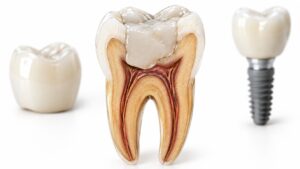
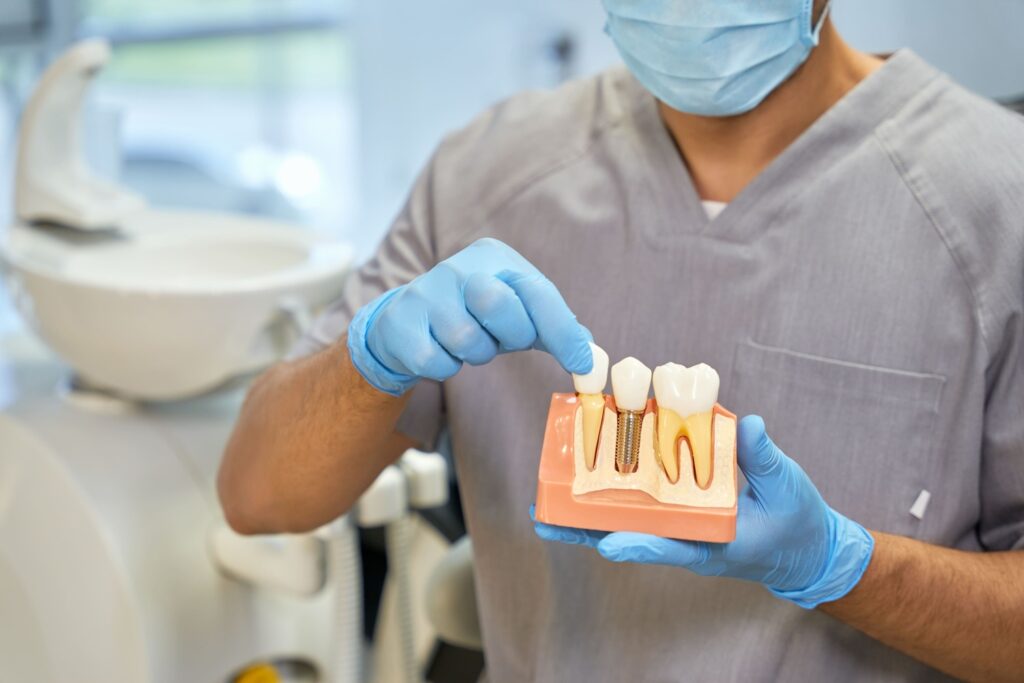
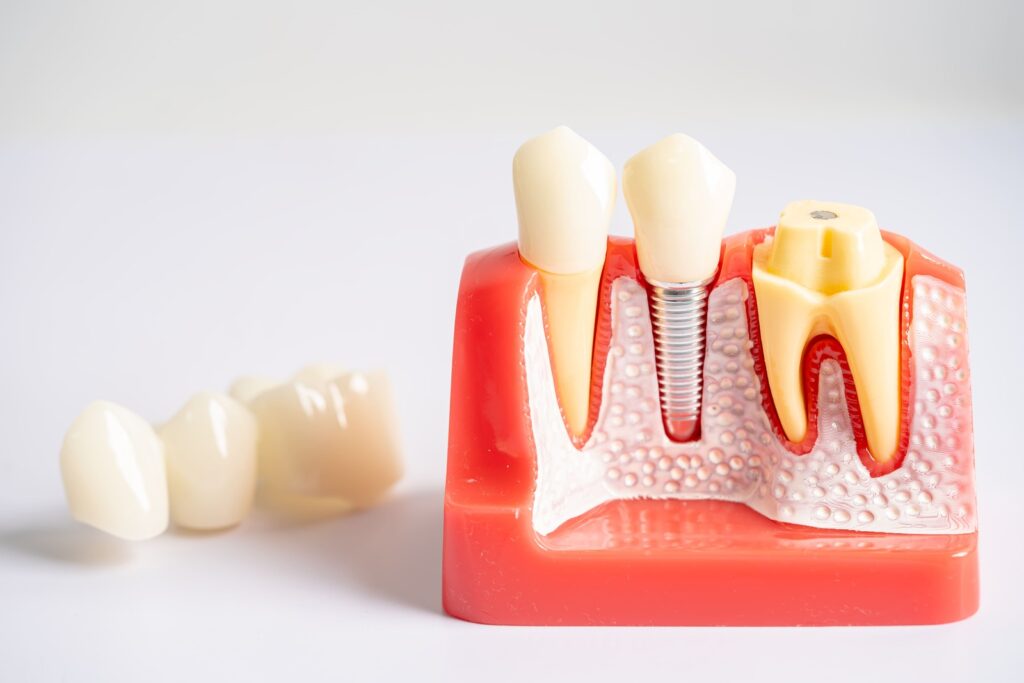
A complete dental implant consists of three main components that work together to mimic a natural tooth. The post is a small titanium screw inserted into the jaw to act as an artificial root. Above the gum line sits the abutment, a connector piece that securely attaches the base to the visible portion of the restoration. Finally, a custom-made crown is placed on top, designed to match the shape and color of the surrounding natural teeth perfectly.
How implants integrate with jawbone for long-term stability
Once the post is placed, a biological process called osseointegration occurs over several months. During this healing phase, the surrounding bone tissue physically grows and fuses with the titanium surface of the post. This remarkable integration creates an incredibly strong foundation, preventing the artificial tooth from slipping or shifting while eating and speaking.
Who is typically a good candidate for the procedure
Generally, anyone healthy enough to undergo a routine dental extraction is a potential candidate for a dental implant. Patients need to have healthy gums and sufficient bone density to support the titanium post. Individuals who smoke, suffer from uncontrolled chronic disorders like diabetes, or have had radiation therapy to the head and neck area will need a thorough evaluation to determine if this treatment is a safe and viable option.
Evaluating the Experience and Qualifications of the Dental Provider
Importance of implant-specific training and certifications
Successfully placing dental implants requires surgical precision and advanced knowledge of oral anatomy. Before selecting a provider, prospective patients should look for dentists who have completed extensive, implant-specific training beyond standard dental school. Board certifications or memberships in specialized organizations, such as the American Academy of Implant Dentistry, indicate a high level of dedication to this specific field of dentistry.
Differences between general dentists and implant specialists
While many general dentists are legally allowed to perform implant surgery, specialists like periodontists or oral surgeons focus almost exclusively on these complex procedures. Specialists handle complicated cases daily, managing issues like severe bone loss or sinus floor augmentations with ease.
Role of continuing education in modern implant dentistry
The field of implantology evolves constantly, with new materials and surgical techniques emerging every year. Dentists who actively participate in continuing education stay updated on these cutting-edge advancements. By choosing a provider committed to lifelong learning, patients benefit from the most current, minimally invasive, and highly successful treatment protocols available today.
Assessing Technology and Treatment Methods Used in Clinics
Use of digital imaging and 3D scans for precision planning
Modern clinics rely heavily on advanced imaging tools like Cone Beam Computed Tomography (CBCT) to plan implant surgeries. These 3D scans provide detailed views of the jawbone, nerve pathways, and surrounding tissues, which traditional 2D X-rays cannot show. This high level of anatomical detail allows the surgeon to determine the exact angle and depth for the implant, significantly reducing surgical risks.
Guided implant surgery vs. traditional methods
Traditional implant placement often relies on the surgeon’s visual judgment during the procedure, which leaves a small margin for error. Guided implant surgery, on the other hand, utilizes the 3D scans to create a custom surgical template that directs the drill to the exact pre-planned position.
How modern tools improve safety and recovery time
By combining 3D imaging with computer-guided surgical templates, dentists can often perform the procedure with smaller incisions and less tissue disruption. This minimally invasive approach reduces postoperative swelling, bleeding, and discomfort. Consequently, patients experience a much faster and smoother recovery time, allowing them to return to their normal daily routines quickly.
Understanding Cost Transparency and Long-Term Value
Breakdown of implant costs and what influences pricing
The total price of a dental implant procedure depends on several variables, including the number of teeth being replaced and the geographic location of the clinic. The cost is usually broken down into the surgical placement of the post, the abutment, and the final crown.
Hidden costs to watch out for in treatment plans
When reviewing an estimate, patients must verify that the quote includes every phase of the treatment from start to finish. Some clinics advertise unusually low prices but fail to mention that the cost only covers the titanium post, leaving the patient surprised by separate bills for the abutment and crown.
Why long-term durability matters more than upfront price
While the initial cost of implant dentistry can seem high compared to bridges or dentures, the long-term value is unmatched. Traditional bridges often need replacing every five to ten years, incurring continuous costs over a lifetime. Dental implants boast a remarkably high success rate and can last a lifetime with proper care, ultimately making them a more cost-effective solution in the long run.
Reviewing Patient Experiences and Success Rates
How to interpret before-and-after case studies
Reputable dental clinics usually showcase before-and-after photos of their actual patients to demonstrate the quality of their work. When reviewing these portfolios, look for cases that resemble your specific dental situation to gauge what results might be possible. Pay attention to how natural the artificial teeth look against the gum line and whether they blend seamlessly with the surrounding natural teeth.
Importance of long-term patient testimonials
While immediate post-surgery reviews are helpful, testimonials from patients who received their implants several years ago provide much deeper insight. Long-term reviews reveal how well the implants have held up over time and how the clinic handles routine maintenance or any unexpected complications.
Identifying consistent success patterns in reviews
Browsing through third-party review sites can help identify recurring themes regarding a particular provider. If multiple patients specifically praise the surgeon’s gentle bedside manner, the cleanliness of the facility, and the transparency of the billing process, those are excellent signs.
Comparing Treatment Plans and Personalized Care Options
Why one-size-fits-all approaches don’t work in implant dentistry
Every patient has a unique facial structure, bite alignment, and medical history, meaning a standardized approach to implant surgery is incredibly risky. A generic treatment plan fails to account for subtle anatomical differences that dictate the success or failure of the procedure.
Customization based on bone structure and oral health
During the initial consultation, the provider must carefully analyze the density and volume of the patient’s jawbone. If the bone has deteriorated due to prolonged tooth loss, the dentist may need to incorporate a bone grafting procedure into the customized plan to build a strong foundation.
Importance of clear consultation and treatment roadmaps
A trustworthy specialist will sit down with the patient to explain the proposed treatment roadmap in simple, easy-to-understand terms. This transparent discussion should cover the estimated timeline, the sequence of surgical visits, and exactly what to expect during the healing phases. Having a clear, personalized roadmap eliminates anxiety and ensures the patient is fully prepared for every step of the journey.
Post-Treatment Care and Recovery Support
What to expect during the healing process
Immediately following the surgery, it is normal to experience some minor swelling, bruising, and discomfort around the implant site. Most patients manage these mild symptoms easily with over-the-counter pain relievers and cold compresses. A temporary soft food diet is usually required for a few weeks to avoid placing unnecessary pressure on the healing post while osseointegration begins.
Role of follow-up visits in implant success
Regular follow-up appointments are a critical component of the recovery phase. During these brief visits, the dentist monitors the healing progress, removes any sutures, and ensures the gum tissue is closing properly around the surgical site. These check-ups allow the provider to catch and treat any potential signs of infection early, safeguarding the overall success of the implant.
Tips for maintaining implants for long-term durability
Once the final dental crown is attached, maintaining excellent oral hygiene is the best way to protect the investment. Brushing twice a day, flossing daily, and using an antibacterial mouthwash will prevent plaque buildup around the gumline. Attending professional dental cleanings every six months ensures the implant remains free of destructive bacteria that could threaten the surrounding bone.

Ultra Smile: What Sets a Trusted Dental Implant Provider Apart
Commitment to patient-focused implant planning and care
Ultra Smile prioritizes a deeply personalized approach, ensuring every individual feels heard and understood from the very first consultation. The team takes the time to thoroughly assess each patient’s unique goals, designing custom treatment strategies that address both functional needs and aesthetic desires.
Use of advanced dental technologies for predictable outcomes
By investing heavily in the latest digital dentistry tools, Ultra Smile guarantees the highest level of surgical precision available. The clinic utilizes state-of-the-art 3D imaging and computer-guided placement techniques to map out the entire procedure before any physical work begins.
Emphasis on comfort, safety, and long-term oral health success
Beyond merely placing artificial teeth, Ultra Smile focuses intensely on the lifelong health and comfort of the patient. The facility follows strict sterilization protocols and offers various sedation options to ensure a painless, stress-free experience in the surgical chair. Furthermore, their comprehensive aftercare programs empower patients with the knowledge and support necessary to maintain their beautiful, restored smiles for decades.
Preparing for a Successful Smile Restoration
Getting a dental implant is a permanent enhancement to dental health and confidence, but it requires careful vetting of the surgeon’s skills, technology, and transparent pricing. Researching the local options and understanding the intricacies of the procedure helps patients avoid hidden costs and poor outcomes. Taking the time to evaluate a provider’s technology and patient reviews will ultimately lead to a much safer and smoother surgical experience.
Schedule two or three consultations with highly rated local specialists this week to compare their treatment plans and ask the tough questions. Bringing a list of concerns regarding bone health, customized care, and long-term maintenance will help identify the perfect partner for this restorative journey. Making an informed decision today ensures a functional, beautiful smile that will last a lifetime.
Ultra Smile DentaSpa
https://maps.app.goo.gl/aZyhKAnrJbTXqQFv8
(305) 676-5330
111 NE 32nd St, Miami, FL 33137, United States
https://www.ultrasmilemiami.com/