Dental Implants Miami FL
Missing teeth can dramatically impact a person’s self-esteem and make simple daily tasks like chewing and digesting food incredibly difficult. Many individuals hide their smiles or avoid certain social situations because they feel embarrassed about gaps in their teeth. Fortunately, modern dentistry provides a permanent, reliable way to turn back the clock and restore full functionality to the mouth. Dental Implants Miami, FL, represent the gold standard for tooth replacement, offering a foundation that feels and looks just like natural teeth.
Deciding on restorative dental work often feels overwhelming due to the sheer number of options and the medical terminology involved. This comprehensive guide breaks down everything patients need to know about dental implants to help them make a highly educated choice about their oral health.
Readers will learn exactly how these implants function beneath the gum line to provide unmatched stability. The following sections will cover who makes a good candidate for this treatment, what the surgical procedure entails step-by-step, and how to maintain the new smile for decades to come. Armed with this knowledge, making the leap toward a complete, functional set of teeth becomes a much simpler, stress-free decision.
Dental Implants Miami, FL: Understanding the Basics
What Are Dental Implants Made Of?
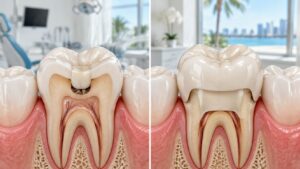
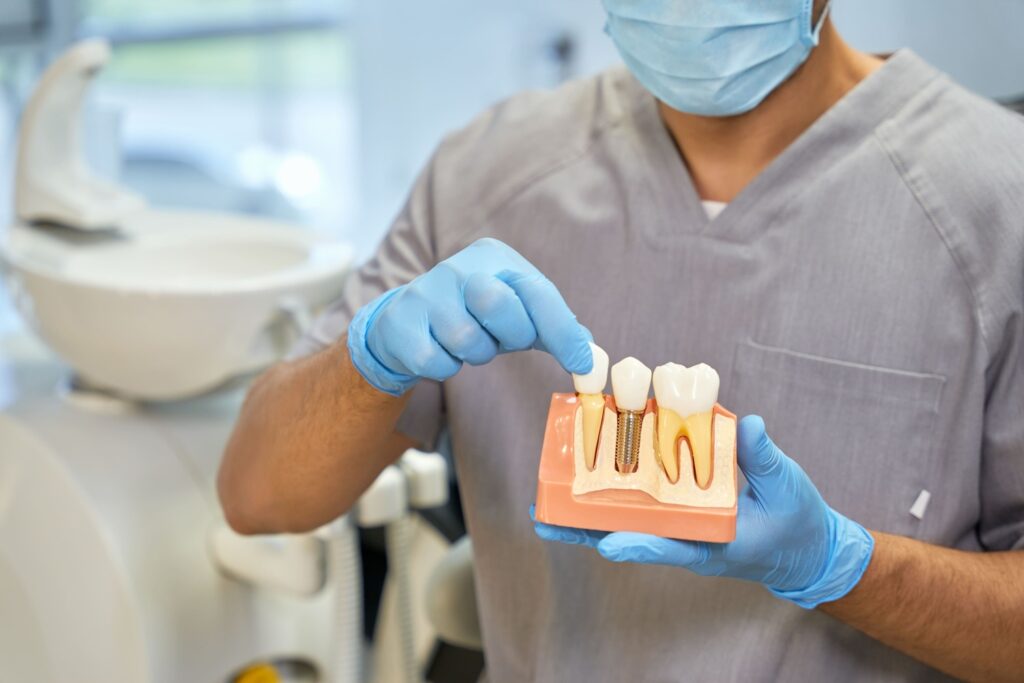
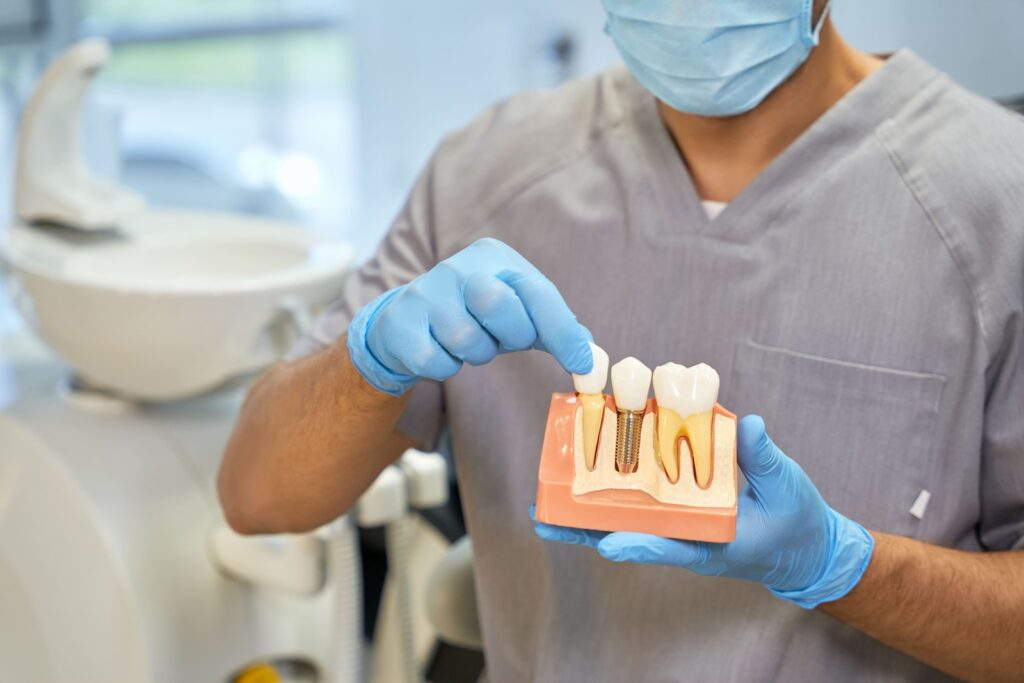
Dental implants are primarily crafted from titanium, a highly durable and biocompatible metal that the human body easily accepts. The structure consists of three main components: the titanium post that goes into the jawbone, an abutment that sits above the gum line, and the custom-made prosthetic crown that acts as the visible tooth. Because titanium has the unique ability to fuse directly with living bone, these artificial roots provide incredible strength and longevity that other restorative materials simply cannot match.
How Implants Replace Natural Teeth
These advanced devices function exactly like natural tooth roots by anchoring securely into the jawbone to provide a stable base for biting and chewing. Once the titanium post integrates with the bone tissue, it prevents the replacement tooth from shifting or slipping, which often happens with removable dentures. Aesthetically, the attached porcelain or ceramic crown is color-matched and shaped to blend flawlessly with the surrounding natural teeth, ensuring that the final result looks totally authentic.
Who Is a Good Candidate?
A successful candidate for this procedure generally needs to have healthy gums and a sufficient amount of jawbone density to support the titanium post. Individuals must also be committed to good oral hygiene and regular dental visits, as plaque buildup can still cause gum disease around the artificial tooth. Those with certain underlying health conditions, such as uncontrolled diabetes, or heavy smokers may require additional evaluations to ensure their bodies can properly heal and integrate the implant.
Why Dental Implants Are a Game-Changer for Tooth Replacement
Long-Term Benefits Over Traditional Options
Unlike traditional dentures or bridges that may need to be replaced every five to ten years, dental implants offer a permanent solution for missing teeth. The titanium root creates an unshakeable foundation that allows individuals to eat their favorite foods without worrying about their teeth slipping out of place. This long-lasting stability means that patients can invest in their smile once and enjoy the functional benefits for the rest of their lives with proper care.
Improved Oral Health
Losing a tooth naturally causes the underlying jawbone to deteriorate over time because the bone no longer receives stimulation from chewing. Inserting a titanium post into the jaw mimics the function of a natural root, providing the necessary stimulation to halt bone loss and preserve the facial structure. Furthermore, replacing a missing tooth prevents adjacent natural teeth from shifting out of alignment, which keeps the entire bite healthy and functional.
Confidence Boost
Living with missing teeth often causes individuals to hide their mouths when speaking, laughing, or taking photographs. Restoring the mouth with a natural-looking prosthetic gives people the freedom to express themselves fully without any lingering embarrassment. Knowing that the teeth are securely anchored and look entirely natural provides a profound boost in daily self-confidence and overall quality of life.
The Step-by-Step Dental Implant Process
Initial Consultation and Planning
The journey begins with a comprehensive consultation where a dental professional evaluates the patient’s oral health using advanced diagnostic tools. X-rays and 3D imaging help the dentist assess bone density and precisely map out the exact placement angle for the titanium root. This thorough planning phase ensures that the surgical procedure will go smoothly and that the patient understands the entire customized treatment plan.
Surgical Placement Explained
During the surgical phase, the dentist makes a small incision in the gum tissue to expose the jawbone and carefully inserts the titanium post. Local anesthesia ensures the patient remains completely comfortable and pain-free throughout this precise, minimally invasive procedure. Once the post is securely positioned in the bone, the gums are stitched closed to allow the healing process to begin in a protected environment.
Healing and Final Restoration
After the surgery, a critical biological process called osseointegration takes place over the course of several months, during which the jawbone fuses tightly to the titanium surface. Once this solid bond is fully formed, the patient returns to the clinic to have the connecting abutment and the final, custom-crafted crown securely attached.
Types of Dental Implants Available in Miami, FL
Single Tooth Implants
When a patient is missing just one tooth, a single implant is the most conservative and effective way to fill the gap. A single titanium post is placed into the bone, and a single custom crown is attached, completely replacing the lost tooth from root to tip. This method leaves the neighboring healthy teeth completely untouched, making it an excellent targeted solution for minor tooth loss.
Implant-Supported Bridges
For individuals missing several teeth in a row, an implant-supported bridge offers a sturdy and cost-effective alternative to replacing every single tooth individually. Instead of grinding down healthy adjacent teeth to support a traditional bridge, two implants are placed at either end of the gap to hold the artificial teeth securely in place. This provides a highly durable restoration that distributes chewing forces evenly across the jaw while preventing unnecessary damage to natural enamel.
Full-Arch Solutions
Patients missing an entire upper or lower arch of teeth can benefit immensely from full-arch restorations like the popular All-on-4 method. This technique uses strategically angled implants to support a complete, fixed set of prosthetic teeth, often eliminating the need for extensive bone grafting. Full-arch solutions offer a permanent, non-removable alternative to traditional dentures, giving individuals back their full biting power and a flawless smile.

Comparing Dental Implants to Other Tooth Replacement Options
Implants vs. Dentures
Traditional removable dentures simply rest on top of the gums, which often leads to uncomfortable friction, slipping, and difficulty chewing tough foods. Implants are surgically anchored into the jawbone, providing absolute stability that eliminates the need for messy adhesives and allows for a completely unrestricted diet. While dentures accelerate jawbone deterioration, implants actively preserve bone health, making them a vastly superior choice for long-term oral wellness.
Implants vs. Bridges
A conventional dental bridge requires the dentist to permanently shave down the healthy teeth adjacent to the gap so they can serve as anchors for the prosthetic. Implants are entirely standalone restorations that do not rely on or damage surrounding teeth, preserving the natural structure of the mouth.
Cost vs. Value Over Time
The initial upfront cost of implant surgery is noticeably higher than the price of receiving standard dentures or a bridge. However, because implants are designed to last a lifetime with proper maintenance, they rarely incur the frequent replacement or repair costs associated with traditional prosthetics. When viewed as a long-term investment in personal health and well-being, the unmatched durability and lifestyle benefits make this treatment highly economical over time.
6. Recovery and Aftercare: What Patients Should Know
Healing Timeline and Expectations
Immediately following the placement surgery, it is normal for patients to experience mild swelling, bruising, and minor discomfort around the treated area for a few days. The complete osseointegration process takes anywhere from three to six months, though patients generally feel completely back to normal within a week or two. Following the specific recovery timeline provided by the dental specialist ensures that the implant heals properly and integrates successfully with the bone tissue.
Post-Procedure Care Tips
During the initial recovery phase, patients should stick to a soft food diet to avoid placing unnecessary stress on the healing surgical site. Maintaining excellent oral hygiene is absolutely crucial, but patients must brush gently and use prescribed antibacterial mouthwashes to keep the area clean without disrupting the stitches. Avoiding strenuous physical activity and refraining from smoking will significantly speed up the healing process and lower the risk of post-surgical complications.
Signs of Healthy Healing
A healthy recovery is characterized by a gradual decrease in swelling and pain within the first week after the procedure. If a patient experiences severe, worsening pain, excessive bleeding, or a high fever, they should contact their dental provider immediately as these could indicate an infection. Regular follow-up appointments allow the dentist to monitor the healing progress closely and confirm that the bone is successfully fusing with the titanium root.
Technology Behind Modern Dental Implants
3D Imaging and Digital Planning
State-of-the-art cone beam computed tomography (CBCT) scanners provide highly detailed 3D images of a patient’s jaw, nerve pathways, and sinus cavities. These comprehensive digital models allow dental professionals to virtually plan the exact angle and depth of the implant before the surgery even begins.
Minimally Invasive Techniques
Advancements in digital dentistry have led to the creation of custom surgical guides that direct the dentist’s instruments with absolute pinpoint accuracy. By using these guides, surgeons can place the titanium posts through tiny incisions without needing to extensively cut or expose the gum tissue.
Advanced Materials
Modern implant posts are often treated with specialized microscopic coatings that actively encourage bone cells to attach and grow along the titanium surface. The crowns attached to these posts are fabricated from ultra-strong, highly translucent ceramics like zirconia, which reflect light exactly like natural enamel. These cutting-edge materials ensure that the final restoration is not only virtually indestructible but also aesthetically indistinguishable from the patient’s real teeth.
What to Expect from a Trusted Provider Like Ultra Smile
Personalized Treatment Plans
Every single mouth is unique, which is why a reputable clinic like Ultra Smile tailors every aspect of the treatment to the individual’s specific anatomical needs. The clinical team takes the time to discuss the patient’s cosmetic goals, budget constraints, and medical history before finalizing any surgical decisions.
Focus on Comfort and Care
Undergoing dental surgery can provoke anxiety, so top-tier providers prioritize creating a relaxing, stress-free environment from the moment a patient walks through the door. Compassionate staff members answer all questions thoroughly and offer various sedation options to ensure the patient feels entirely comfortable during the procedure.
Commitment to Long-Term Results
A trusted local provider does not simply place the restoration and send the patient away; they remain dedicated to the ongoing success of the treatment. Ultra Smile schedules thorough follow-up exams to monitor the integration process and provides detailed education on how to care for the new teeth.
Cost Considerations for Dental Implants in Miami, FL
Factors That Affect Pricing
The total financial investment for this procedure varies widely depending on the number of teeth being replaced and the specific type of restoration chosen. Additional preparatory procedures, such as bone grafting or sinus lifts, will increase the overall cost if the patient lacks sufficient jawbone density.
Insurance and Financing Options
While some dental insurance plans may cover a portion of the associated costs, like the final dental crown or tooth extractions, they often classify the surgical implant placement as an elective procedure. To make this life-changing treatment more accessible, many dental offices offer flexible, zero-interest financing plans or partner with third-party medical lenders. Patients should always speak directly with the clinic’s financial coordinator to explore all available payment options and maximize their insurance benefits.
Why Implants Are Worth the Investment
Opting for cheaper, temporary tooth replacement solutions often results in hidden future costs related to adjustments, repairs, and total replacements. Because implants stop jawbone loss and securely lock into place, they protect the health of surrounding teeth and prevent expensive future dental complications. Choosing this premium restorative option provides an unparalleled peace of mind and a permanent enhancement to daily life that far outweighs the initial monetary expense.
Maintaining Your Dental Implants for Lifelong Results
Daily Oral Hygiene Practices
Caring for artificial teeth requires the same diligent routine as caring for natural teeth, including brushing twice a day with a soft-bristled toothbrush and a non-abrasive toothpaste. Flossing daily is absolutely essential to remove harmful plaque and food particles from around the implant base and the gum line.
Routine Dental Visits
Professional dental checkups and cleanings every six months are vital for protecting the longevity of any dental restoration. During these visits, the hygienist uses specialized instruments that safely clean the implant without scratching the sensitive titanium or ceramic materials. The dentist will also take routine X-rays to verify that the jawbone remains healthy and that the prosthetic components are functioning perfectly.
Lifestyle Habits That Protect Your Smile
To prevent chipping or cracking the ceramic crown, individuals must avoid chewing on excessively hard items like ice cubes, hard candies, or unpopped popcorn kernels. Those who grind their teeth at night should have a custom nightguard made to protect their restorations from excessive pressure and wear.
Stepping Into a Future with a Flawless Smile
Dental implants represent the most advanced, reliable, and natural-looking solution available today for replacing missing teeth and restoring total oral function. By fusing directly with the jawbone, they offer unmatched structural stability, prevent bone deterioration, and eliminate the frustrating slipping associated with traditional dentures.
While the initial surgical process and the required healing months take a degree of patience, the final outcome is undeniably worth the wait. Patients who undergo this treatment consistently report a massive improvement in their ability to eat, speak, and laugh without hesitation.
Taking the first step toward a permanently restored mouth is incredibly easy and entirely risk-free. Individuals ready to leave their dental struggles behind should immediately book an initial consultation with a trusted local implant specialist to evaluate their unique needs. Reach out to a professional provider today to explore all available options and start the journey toward a lifetime of bright, confident smiles.