A patient in Miami is told that a tooth extraction may need to be followed by a bone graft, then wonders whether the procedure is standard protocol or truly necessary. The answer depends on the planned restoration, the shape of the remaining jawbone, the condition of the socket, and the cosmetic and functional result the patient wants. A dentist in Miami, FL should recommend grafting because the anatomy calls for it, not just because a tooth was removed.
For someone searching for a dentist near me, dental implants near me, or an emergency dentist after a painful extraction, the most useful question isn't “Does every patient need a graft? It's “What problem would a graft solve in this specific mouth? Ultra Smile DentalSpa serves patients in Downtown Miami, Midtown Miami, and Hallandale Beach with tooth extraction, implant planning, restorative dentistry, cosmetic dentistry, dental X-rays, and related dental care.
Table of Contents
- When Are Dental Bone Grafts Actually Necessary
- The Three Requirements for Implant Success
- Different Situations Where Bone Grafts Help
- How Dentists Determine If You Need A Graft
- What The Research Says About Bone Preservation
- Making The Right Decision For Your Case
- Working With An Experienced Miami Implant Dentist
When Are Dental Bone Grafts Actually Necessary
A Miami patient has a molar removed and hears that a socket graft is available. Another patient has an implant consultation after losing a front tooth and is told that grafting is strongly advisable. Those recommendations can both be appropriate, but they aren't automatically appropriate for every extraction or implant.
Bone grafting rebuilds or preserves deficient alveolar bone. The relevant questions are whether the ridge has enough height, width, and volume to support a stable implant, whether the implant can be positioned correctly, and whether the gum and facial contour will remain healthy and natural-looking. If no implant or other restoration is planned, and the remaining bone is already adequate, extraction alone may be reasonable.
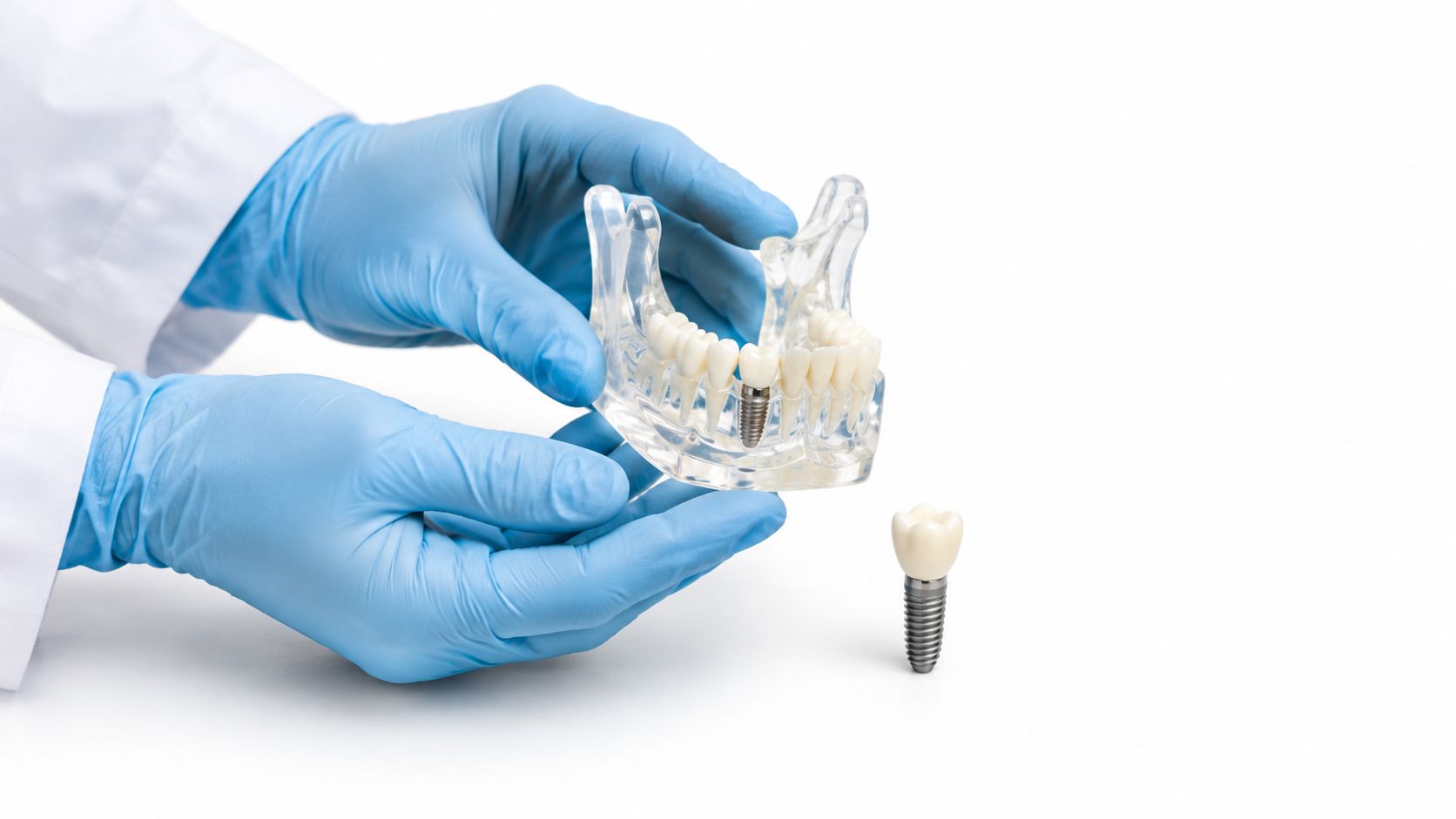
Why two patients can receive different advice
Bone naturally changes after extraction. A ridge-preservation graft can limit dimensional shrinkage, which may matter when a future implant needs a particular trajectory or when a front-tooth contour must be preserved. But preservation doesn't guarantee that a later augmentation will never be needed, and the clinical evidence remains uncertain about whether preservation reduces implant failure or eliminates future grafting.
A tooth in a visible smile area, a broad socket, a thin facial wall, or a planned delayed implant can make preservation more consequential. A back tooth with no plan for replacement and sufficient surrounding bone may create a different decision.
Patients who want a plain-language overview of healing can review what to expect from a graft, then ask the treating dentist which part applies to their anatomy. Ultra Smile DentalSpa's Miami bone graft guide can also help patients prepare for a consultation, but imaging and examination must determine the recommendation.
Practical rule: A graft is justified by a measurable treatment need, such as inadequate ridge volume, a compromised facial wall, or a planned implant position that would otherwise be unstable or unaesthetic.
The Three Requirements for Implant Success
A dental implant needs more than a hole in the jawbone. The available ridge must meet three clinical requirements: it must anchor the implant, allow the implant to sit in a prosthetically correct three-dimensional position, and provide enough surrounding bone for long-term biologic stability.
Adequate anchorage
The implant needs firm bone contact for primary stability. If the ridge is too narrow, too short, or significantly damaged, the implant may not be secure enough for the planned restoration. A graft can add or preserve the volume needed for anchorage, although some well-contained sites can support an implant without augmentation.
Correct three-dimensional placement
An implant should not be placed wherever bone happens to remain without careful planning. Its position must work with the final crown, bite, gum contour, cleaning access, and facial appearance. An implant placed too far toward the cheek, too deep, or at an unfavorable angle can create functional and aesthetic problems even if it initially feels stable.
The ITI consensus recommends a buccal bone-wall thickness greater than 1.5 mm at implant placement. Healed sites with thinner buccal walls show more vertical bone loss and less favorable clinical and radiographic outcomes, according to the ITI consensus publication. That measurement is particularly important for visible teeth, where the facial bone supports the gum line and smile contour.
Enough surrounding bone for stability
Bone must surround the implant sufficiently to support healthy tissue over time. A dehiscence, fenestration, narrow ridge, or exposed facial surface can make simultaneous guided bone regeneration appropriate. Conversely, when primary stability is achievable and the defect is contained, grafting may not be needed.
This is why “Are dental bone grafts necessary? can't be answered responsibly without examining the planned implant and the bone around it. A dentist in Miami, FL should connect the recommendation to anchorage, position, and tissue stability rather than present grafting as a routine add-on.
Different Situations Where Bone Grafts Help
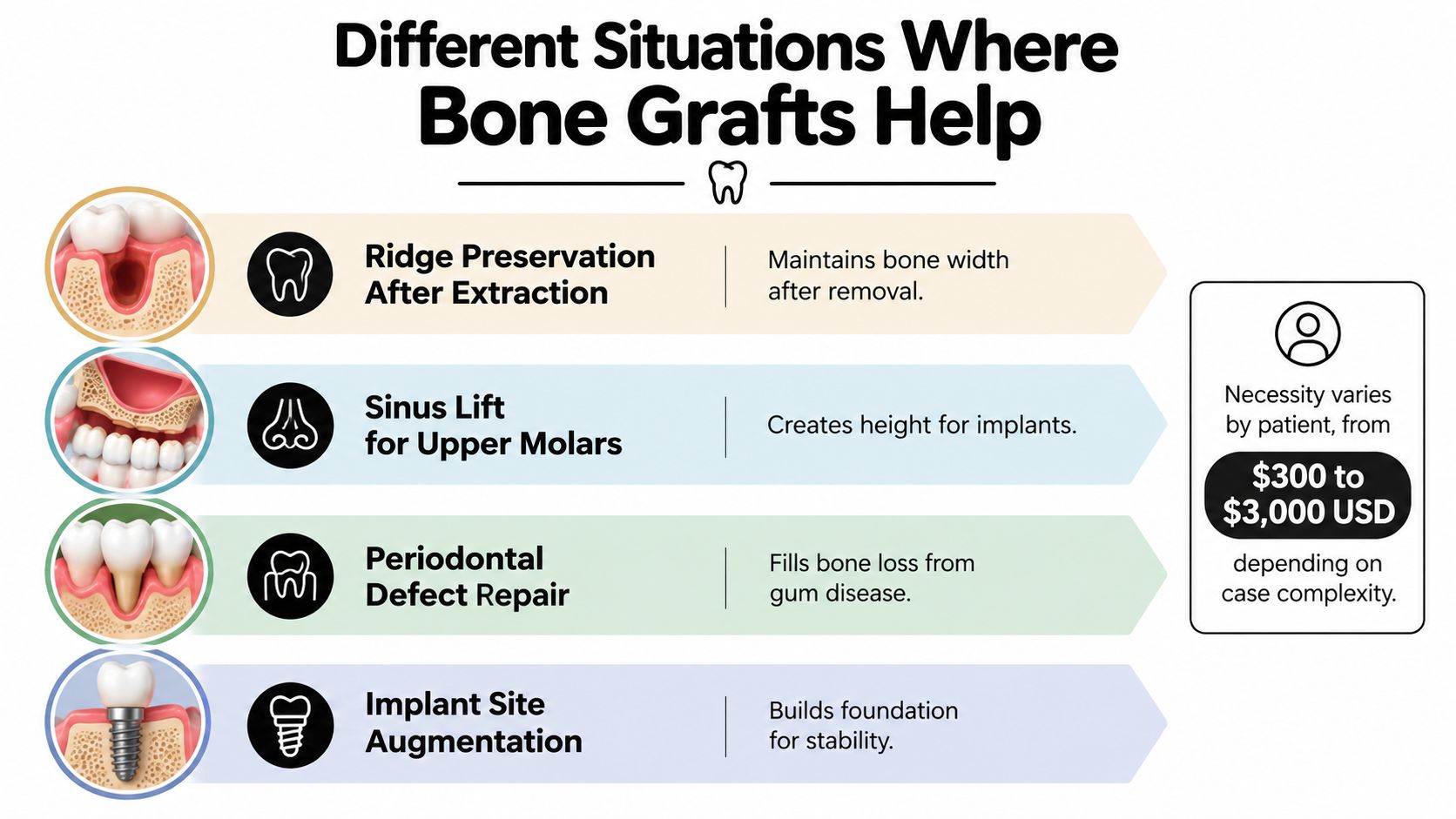
The phrase “bone graft describes several different clinical purposes. Ridge preservation protects the shape of a fresh extraction site. Reconstructive grafting rebuilds a healed area that already lacks bone. A sinus lift addresses limited vertical height in the upper back jaw. Each procedure solves a different problem, so necessity varies.
Ridge preservation after tooth extraction
A socket graft may be considered when an implant is planned but extraction-related shrinkage could compromise the future site. It can be especially relevant for a thin facial plate, a wide socket, a visible front tooth, or a delayed implant plan. It isn't automatically required after every tooth extraction, particularly when no implant is planned or the existing ridge is sufficient.
Sinus lift for upper molars
In the posterior maxilla, reduced vertical bone beneath the sinus can limit implant length. A sinus lift is one option, but it isn't the only option. Cochrane evidence found insufficient moderate-quality evidence that sinus lifting is superior to short implants in sites with approximately 4 to 9 mm of residual bone height. Short implants produced fewer complications in the available comparisons, so the decision should account for anatomy, prosthetic demands, primary stability, and the extent of the defect. The Cochrane review of sinus-related bone augmentation reports one comparison showing about 5.66 mm of bone gain with grafting versus 2.06 mm without grafting at six months, but that finding doesn't establish that grafting is preferable for every patient.
Repairing existing defects
A graft may be used around an implant when the facial wall is deficient or the implant would otherwise be exposed. It may also be part of staged reconstruction when a healed ridge lacks the width or height required for predictable treatment. In these cases, the purpose is not merely to preserve a socket. It is to rebuild a foundation for the planned restoration.
The appointment may also include tooth extraction, dental implants, dental X-rays, or restorative planning. Patients should ask whether the proposed procedure is preventive preservation, simultaneous augmentation, or a later reconstruction.
How Dentists Determine If You Need A Graft
A sound recommendation begins with a clinical examination and imaging, not a generic rule. The dentist evaluates the tooth or missing site, gum condition, infection history, proposed restoration, and the timing of extraction and implant placement.
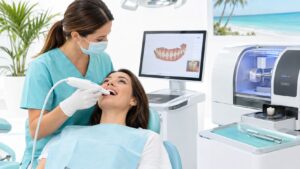
The role of CBCT imaging
Cone-beam CT, or CBCT, provides a three-dimensional view of the ridge. It helps measure:
- Ridge width and height: Whether the bone can house the planned implant.
- Facial-wall thickness: Whether enough bone will remain on the cheek-facing side.
- Sinus and nerve proximity: Whether the implant trajectory or grafting plan must avoid vital structures.
- Planned implant position: Whether the implant can support the final crown without compromising appearance or function.
A conventional dental X-ray can be useful, but it may not show the full three-dimensional relationship between the ridge, sinus, mandibular canal, and planned implant path. CBCT supports a more precise conversation about whether grafting is required, advisable, or unnecessary.
Questions that clarify the recommendation
Patients don't need to interpret every image alone. They can ask the dentist to identify the specific deficiency and explain the alternative if no graft is placed.
- What are the residual ridge width and height?
- Is the facial bone wall intact and thick enough for the planned implant?
- Can the implant achieve primary stability without augmentation?
- Would a short implant, delayed placement, or another restoration avoid grafting?
- Is the procedure preserving the socket, filling a gap around an implant, or rebuilding a healed ridge?
A useful consultation standard: The treatment plan should explain what the graft is expected to change, what could happen without it, and how the decision affects the timing and position of the final restoration.
For a patient seeking an emergency dentist after trauma, infection, or severe tooth pain, the immediate priority may be controlling the urgent problem. Grafting and implant planning can then be considered once the dentist understands the socket, infection status, soft tissue, and long-term goal.
What The Research Says About Bone Preservation
Research supports a potential preservation benefit, but it doesn't support an automatic graft for every extraction. A Cochrane review covering 16 randomized controlled trials, 524 extraction sites, and 426 adults found that xenograft-based ridge preservation reduced average horizontal bone loss by 1.18 mm, with a 95% confidence interval of 0.54 to 1.82 mm, compared with extraction alone. Vertical loss was reduced by 1.35 mm, with a 95% confidence interval of 0.70 to 2.00 mm, as reported in the Cochrane evidence review.
The same review rated the evidence very low certainty. It found no demonstrated significant difference in implant failure or in the need for additional augmentation at implant placement. That distinction matters. A graft can help maintain dimensions without guaranteeing a faster implant, a complication-free course, or complete avoidance of another procedure.
What a few millimeters can mean
An implant requires adequate bone volume and a favorable three-dimensional position. A change measured in millimeters can affect whether the implant fits within the ridge, whether the facial contour can be supported, and whether the dentist needs a larger later reconstruction. Those consequences are most relevant when the original site is thin, visible, infected, or intended for a carefully positioned implant.
A British Dental Journal review also described pooled ridge-preservation advantages of approximately 1.97 mm in ridge width and 2.60 mm in ridge height after follow-up. The review reported no statistically significant reduction in the need for additional augmentation at implant placement. These findings favor realistic expectations rather than blanket promises.
Newer questions about materials
A 2025 randomized clinical trial involving 20 extraction sites reported comparable outcomes for a collagenated bone-graft plug alone and the same plug combined with a collagen membrane in sockets with thick buccal bone, including stable ridge dimensions, new bone formation, and healthy soft-tissue healing. The study had a small sample and six-month follow-up, so it doesn't establish that membranes are unnecessary in thin-wall, aesthetic-zone, infected, or large-defect cases. Patients should ask what each material solves, whether it is human, animal, synthetic, or autologous, and how the plan changes if preservation is incomplete.
Making The Right Decision For Your Case
The right decision depends on the intended result, not on the label “bone graft. A patient who isn't replacing a tooth may reasonably choose extraction and natural healing when the ridge is adequate. A patient planning an implant in the smile zone may place greater value on preserving facial contour and future positioning.
A practical decision framework
During a consultation at a Miami dental practice, the following questions can organize the discussion:
- Eligibility: Will grafting change whether an implant can be placed predictably?
- Position: Will it allow the implant to sit in the correct three-dimensional location?
- Aesthetics: Will it support the gum contour and facial profile around a visible tooth?
- Alternatives: Could spontaneous healing, a short implant, delayed placement, or another restoration work?
- Extent: Is the proposed procedure a small contained graft or staged reconstruction?
- Timing: Is the graft being placed after tooth extraction, with an immediate implant, or later in a healed site?
A 2025 systematic review and meta-analysis of five randomized controlled trials involving 179 immediate implants found no significant difference in horizontal bone change near the crest during the first 3 mm apical to the crest between flapless immediate implants placed with and without grafting. Grafting did provide a significant preservation advantage farther apically, at 4 to 5 mm, although the evidence was heterogeneous at that level, as detailed in the PubMed review.
For patients comparing options, the central question is simple: Will grafting change implant eligibility, the aesthetic result, or the treatment timeline? Patients considering whether they can receive dental implants without a bone graft should still receive imaging-based advice, because the answer depends on the ridge rather than on a universal treatment rule.
Working With An Experienced Miami Implant Dentist
Bone-grafting decisions require more than identifying a missing tooth. The treating dentist must interpret three-dimensional imaging, evaluate facial-wall integrity, consider sinus or nerve anatomy, understand the final crown position, and compare grafting with short implants, staged placement, or no augmentation.
Ultra Smile DentalSpa offers implant preparation and CBCT-based evaluation for patients in Downtown Miami, Midtown Miami, and Hallandale Beach. Its broader services include tooth extraction, dental implants, restorative dentistry, cosmetic dentistry, cleanings and exams, teeth whitening, and other dental care, allowing treatment planning to address both oral health and the intended smile result.
Patients researching how practices organize patient communication and care delivery may also find MedicalVirtual dentistry practice management useful as a general professional resource. It doesn't replace a clinical examination, but clear systems and transparent planning help patients understand why a graft is or isn't being recommended.
A consultation should leave the patient with a specific explanation of the bone measurements, the expected benefit, the alternatives, and the consequences of declining treatment. That clarity is more valuable than assuming every extraction or implant requires the same procedure.
Ultra Smile DentalSpa provides personalized evaluations for tooth extraction, CBCT-guided implant planning, and dental bone grafting when the anatomy requires additional support. Schedule a consultation by visiting Ultra Smile DentalSpa to discuss whether grafting is necessary for the patient's implant, functional, and aesthetic goals.