Why Delaying Emergency Dental Care Can Lead to Bigger Problems
Dental pain has a way of appearing at the worst possible time. You may notice a sharp sensation while eating, wake up with a throbbing toothache, or discover that part of a filling or crown has broken. When the discomfort comes and goes, it can be tempting to wait and see whether the problem improves on its own.
Unfortunately, many urgent dental problems do not resolve without professional treatment. Pain may temporarily decrease, but the underlying decay, infection, fracture, or damaged restoration can continue to worsen. A problem that might have required a filling or a simple repair may eventually need root canal treatment, a crown, or even tooth removal.
At Ultra Smile DentalSpa, we encourage patients to contact a dental professional promptly when they experience significant pain, swelling, trauma, or sudden changes in a tooth. Early evaluation gives us a better opportunity to identify the cause, relieve discomfort, and preserve as much healthy tooth structure as possible.
Dental Pain Is Usually a Warning Sign
Pain is the body’s way of signaling that something needs attention. A toothache may be caused by decay, an infected nerve, gum inflammation, a cracked tooth, a damaged filling, grinding, or pressure from an impacted tooth.
The intensity of pain does not always reveal how serious the problem is. Some advanced infections cause severe throbbing, while others produce only mild sensitivity at first. In certain cases, pain may decrease when the nerve inside a tooth becomes damaged or dies. That does not necessarily mean the infection has healed.
This is why it is important not to rely only on how you feel from one day to the next. A dental examination and appropriate imaging may be needed to determine what is happening beneath the surface.
At our practice, a comprehensive evaluation may include an examination of the teeth and gums along with X-rays examination or panoramic imaging when appropriate. These tools can help our doctors identify decay, fractures, infections, impacted teeth, and other concerns that may not be visible during a basic visual examination.

A Small Cavity Can Become a Much Larger Restoration
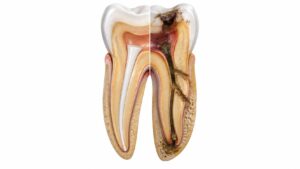
Tooth decay typically begins in the outer enamel. When it is identified early, the damaged area may be treated with a relatively conservative filling.
If treatment is delayed, bacteria can move deeper into the tooth. The decay may eventually reach the dentin and then the pulp, which contains the tooth’s nerves and blood vessels. Once the pulp becomes inflamed or infected, a filling alone may no longer be enough.
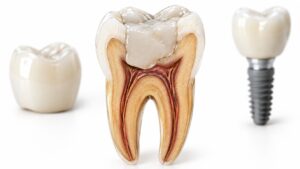
Root canal treatment may then be needed to remove the infected tissue and save the tooth. Ultra Smile DentalSpa provides root canal therapy for teeth affected by severe decay, infection, nerve damage, prolonged sensitivity, swelling, or pain when chewing. After the infected tissue is removed, the tooth may need a filling or crown to restore its strength and function.
Delaying care does not guarantee that a root canal will become necessary, but it reduces the opportunity to treat decay while it is still limited.
Dental Infections Can Spread
A dental abscess is a pocket of infection that may develop around a tooth root or within the surrounding gums and bone. Symptoms can include throbbing pain, swelling, tenderness, a bad taste, fever, or a pimple-like bump on the gums.
An abscess does not reliably disappear on its own. Even if it drains and the pressure decreases, the source of the infection may remain. Without appropriate dental treatment, the infection can continue damaging the tooth and surrounding tissues.
Dental emergencies include problems that require prompt treatment to control severe pain, stop bleeding, address infection, or prevent biological and functional complications.
Most dental infections can be managed successfully when they are addressed early. Waiting may allow the infection to extend into the jaw, face, or neck. Severe swelling accompanied by difficulty breathing, speaking, swallowing, opening the mouth, or seeing clearly requires immediate medical attention rather than waiting for a routine dental appointment.
A Cracked Tooth Can Become Harder to Save
Teeth may crack because of trauma, biting hard foods, large existing fillings, grinding, or normal wear over time. Some cracks are small and limited to the outer portion of the tooth. Others extend toward the nerve or below the gumline.
A cracked tooth may initially cause discomfort only when biting or when pressure is released. Temperature sensitivity may come and go, which can make the problem easy to ignore.
The danger is that chewing forces can cause the crack to spread. Bacteria may also enter the damaged area and reach the pulp. Depending on the location and depth of the crack, treatment may involve bonding, a crown, root canal therapy, or extraction.
Crowns are commonly used to protect teeth that have lost significant structure because of damage, decay, large fillings, wear, or previous root canal treatment. At Ultra Smile DentalSpa, we use CEREC technology for qualifying crowns and bridges, allowing certain restorations to be designed, fabricated, and fitted efficiently.
Prompt evaluation does not always prevent a cracked tooth from needing extensive treatment, but it may improve the chance of protecting the remaining structure before the damage progresses.
A Broken Filling or Crown Can Expose the Tooth
A lost filling or damaged crown may not always cause immediate pain. However, the exposed tooth can become sensitive to temperature, pressure, food, and bacteria.
Continuing to chew on the area may cause additional tooth structure to fracture. Food can also collect in or around the damaged restoration, increasing the risk of decay and irritation.
Temporary dental cement from a pharmacy may help protect certain damaged restorations until an appointment, but it is not a permanent solution. Household glue should never be used to reattach a crown.
An emergency dentist needs to determine why the restoration failed. Sometimes the filling or crown simply requires replacement. In other situations, decay, a fracture, or changes in the supporting tooth must be treated before a new restoration can be placed.
Gum Swelling Can Signal More Than Irritation
Tender or swollen gums may result from food becoming trapped between the teeth, but they can also indicate gum disease, an abscess, or an infection around a tooth.
When swelling is limited and mild, gentle brushing, flossing, and rinsing may help remove trapped debris. However, persistent swelling, drainage, fever, facial enlargement, or worsening pain should be evaluated promptly.
Delaying care may allow inflammation to damage the tissues supporting the teeth. In advanced cases, gum and bone loss can contribute to tooth mobility and eventual tooth loss.
Swelling is especially concerning when it begins spreading beyond the immediate gum area. Rapid facial or neck swelling, trouble swallowing, or difficulty breathing is a medical emergency.
A Knocked-Out Tooth Requires Immediate Action
When a permanent tooth is completely knocked out, timing can influence whether it can be successfully returned to the socket.
Handle the tooth by the crown, which is the part normally visible in the mouth. Avoid touching or scrubbing the root. If the tooth is dirty, gently rinse it without removing attached tissue. Keep it moist and seek professional care immediately.
The sooner a knocked-out permanent tooth is evaluated, the better the chance that it may be saved. A dental team can also examine the surrounding teeth, gums, bone, and jaw for additional injuries.
For significant facial trauma, uncontrolled bleeding, suspected jaw injury, loss of consciousness, or other medical concerns, emergency medical evaluation may be necessary.
Waiting Can Make Treatment More Complicated
One of the most common reasons patients delay emergency dental care is fear of the treatment or concern about what the dentist may find. Unfortunately, postponing an appointment often creates the outcome the patient hoped to avoid.
A small cavity may become a root canal. A damaged tooth may lose enough structure to require a crown. An infection may make extraction necessary when the tooth might have been saved earlier. Treatment may also require more appointments once the condition becomes complex.
Ultra Smile DentalSpa provides a range of general and restorative services, including composite fillings, root canal therapy, crowns, bridges, wisdom tooth extraction, dentures, implants, and bone grafting. Our doctors develop treatment recommendations based on the condition of the tooth, the surrounding tissues, the patient’s medical history, and the likelihood of achieving a stable long-term result.
Our goal is not to recommend more treatment than necessary. It is to understand the cause of the problem and explain which options are available before the condition has more time to progress.
Signs You Should Contact a Dentist Promptly
You should arrange a dental evaluation when you experience severe or persistent tooth pain, prolonged sensitivity, pain when biting, swelling around a tooth, a broken restoration, a cracked tooth, drainage from the gums, or a tooth that suddenly feels loose.
Call for help immediately when symptoms include:
- Rapidly increasing facial or neck swelling
- Difficulty breathing, swallowing, or speaking
- Uncontrolled bleeding
- Significant facial or jaw trauma
- A knocked-out permanent tooth
- Fever or feeling seriously unwell along with dental swelling
Temporary home care may reduce discomfort, but it cannot diagnose or correct the underlying problem. A cold compress may help with swelling, and over-the-counter pain medication may provide temporary relief when it is safe for the patient to take. Pain medicine should not be placed directly against the tooth or gums because it can injure the tissue.

Early Care Can Help Protect Your Smile
Dental emergencies are stressful, but waiting often creates more uncertainty. Prompt evaluation allows the dentist to identify whether the problem involves decay, infection, trauma, a damaged restoration, or another condition.
At Ultra Smile DentalSpa, we combine modern dental technology with personalized care at our Miami-area offices. Our team takes time to listen to patient concerns, review treatment options, and develop plans intended to prevent smaller dental problems from becoming more extensive.
Severe tooth pain, swelling, or damage should not be treated as something you simply have to tolerate. Contact a dentist as soon as possible for guidance. When symptoms affect breathing or swallowing, involve rapid facial swelling, or follow major trauma, seek emergency medical care immediately.
Ultra Smile DentaSpa
https://maps.app.goo.gl/aZyhKAnrJbTXqQFv8
(305) 676-5330
111 NE 32nd St, Miami, FL 33137, United States
https://www.ultrasmilemiami.com/