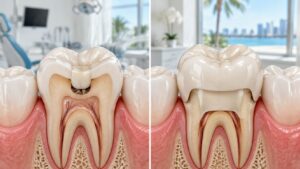
Getting the date for surgery can feel like a relief for about five minutes. Then the practical questions hit all at once, what to eat, what to stop, how to get home, what to bring, and whether the procedure will be harder than expected. For patients in Miami, that mix of nerves and logistics is common, whether the plan is a tooth extraction, dental implants, sedation dentistry, or a different procedure entirely.
The good news is that how to prepare for surgery is one part of the process patients can control. The strongest prep starts before the night before, especially in the 2 to 8 week window when sleep, walking, nutrition, nicotine cessation, and medical optimization can change recovery in real ways. Fasting still matters, but modern preparation is much broader than “nothing after midnight.
A calm plan also helps the day feel less chaotic. That matters for a dentist near me, a dentist in Miami, FL, Dental implants near me, a Cosmetic dentist near me, an Emergency dentist, or help with a Tooth extraction. The right office should walk through the medical details and the dental details together, so the patient is not left guessing.
Table of Contents
- The Moment Surgery Becomes Real
- Two to Eight Weeks Out Building a Stronger Baseline
- Medications, Supplements, and the Fasting Window
- Testing, Consent, Transportation, and Home Setup
- The Morning of Surgery Step by Step
- Dental Surgery Wisdom Teeth Implants and Sedation
- Your Pre-Surgery Checklist and Next Step in Miami
The Moment Surgery Becomes Real
The moment often happens in an exam room. The surgeon explains the procedure, the patient nods, and then the calendar starts moving in the mind, work, rides, medications, food, recovery, pain, and the possibility of complications. Relief is real too, especially when the operation is meant to end pain or restore function.
That swirl is normal. Preparation gives that energy somewhere useful to go. Instead of treating surgery like a single day with a single rule, it helps to see it as a sequence of decisions, many of them made weeks in advance.
Practical rule: The safest patients are rarely the ones who improvise the night before. They're the ones who have already asked about fasting, medications, transportation, and home support.
Traditional advice often reduced the whole process to not eating after midnight. That is too thin for modern care. A peer-reviewed NCBI Bookshelf review on preoperative fasting guidelines notes that children and adults usually stop eating 6 hours before general anesthesia and stop drinking 2 hours before, while breastfed infants generally should not be fed in the final 4 hours before surgery, because emptying the stomach lowers aspiration risk during anesthesia or sedation.
That same review also points to the broader stakes of preparation. Inadequate preoperative preparation has been linked to perioperative harm, and one large study cited there documented at least one complication in 17% of surgical patients. For a patient in Miami planning oral surgery or sedation dentistry, that is a reminder that prep is not busywork, it is part of safety.
Two to Eight Weeks Out Building a Stronger Baseline
The part of surgery prep that gets skipped most often happens before the formal pre-op instructions arrive. The weeks before surgery are the right time to build reserve, not just to avoid food and water. That matters for patients planning implants, bone grafts, wisdom teeth extraction, or sedation dentistry, because healing capacity shapes comfort, recovery, and how much strain the body feels after the procedure.
Start with the habits that lower risk
The American College of Surgeons says specialized nutrition formulas can reduce infection-related complications by 40–60%, smoking increases postoperative complications by 40%, hyperglycemia doubles the risk of surgical site infections, and pre-op glucose testing can uncover undiagnosed diabetes in up to one-third of surgical patients (American College of Surgeons). A peer-reviewed PMC review on enhanced recovery strategies adds that intensive smoking and alcohol cessation 6–8 weeks before elective surgery may reduce postoperative morbidity by about 50%.
Those figures point to a clear priority order. Nicotine cessation deserves real attention, especially for patients planning extractions or implant surgery. Glucose control matters just as much for patients with diabetes or prediabetes, because infection risk rises when blood sugar is poorly controlled. Nutrition and protein intake matter because healing tissue needs raw material, not guesswork.
Practical rule: If only one change can be made early, stop nicotine first. If more changes are possible, add regular walking and a protein-focused meal plan, then tighten glucose control with the medical team.
A recent review says preparation should begin when surgery is being considered, with screening for physical fitness, nutritional status, psychological health, frailty, and cognitive function (PMC review). OHSU's prehabilitation guidance says patients who “prehabilitate have fewer post-operative complications and quicker recovery to their previous functional level (OHSU). That matches real-life dental surgery too, especially when the procedure will temporarily limit chewing or normal routines.
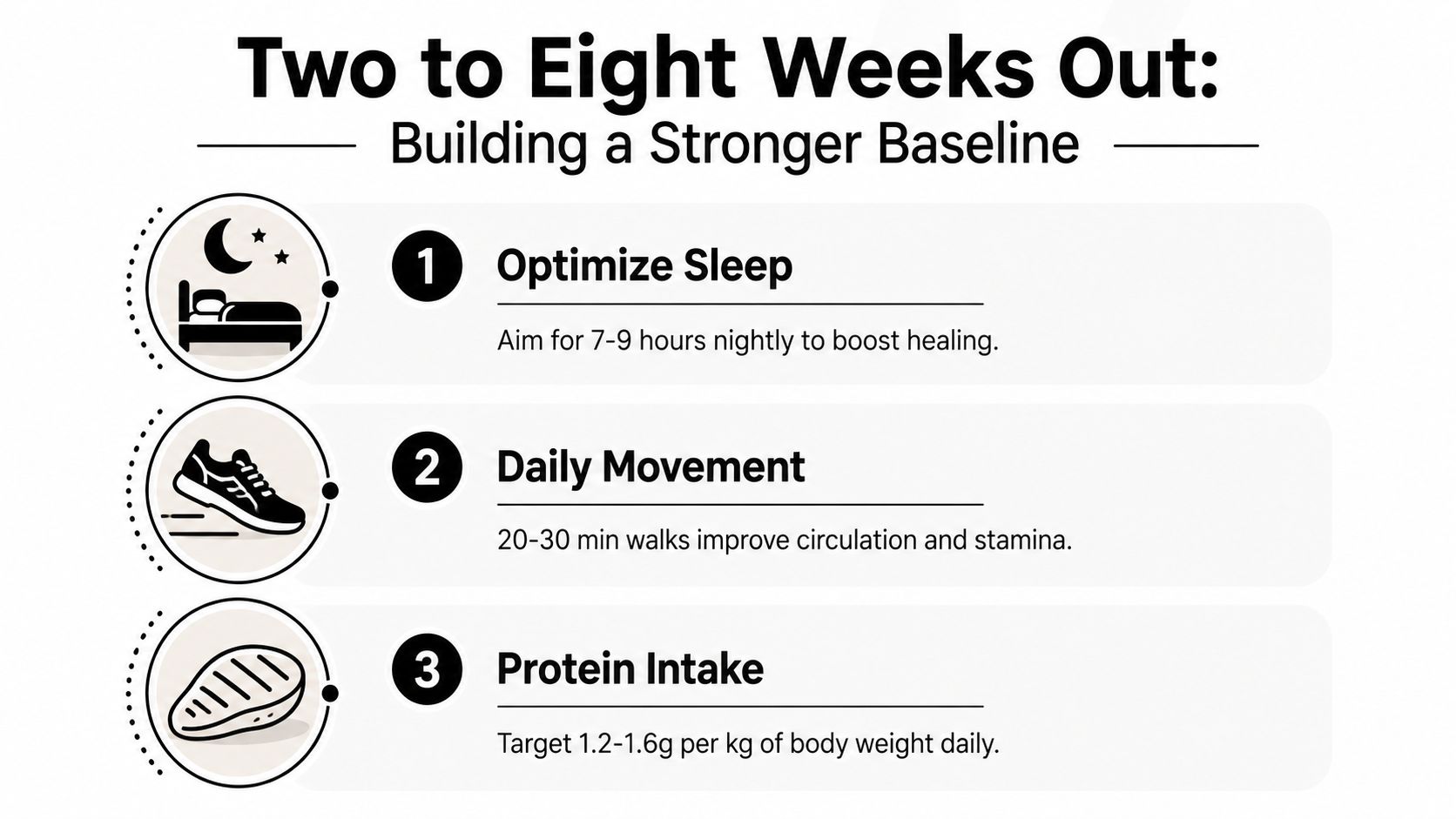
A patient does not need a perfect routine to benefit. Consistent sleep, daily walking, enough protein, and an honest discussion about nicotine and blood sugar usually matter more than dramatic last-minute changes. That is the logic behind prehabilitation. Build the baseline before the operating room ever comes into view.
Medications, Supplements, and the Fasting Window
The medication review is where many patients get tripped up, because “take all your usual meds is not always safe. Aspirin, blood thinners, and diabetes medications often need individualized instructions, and herbal supplements are not harmless just because they are sold as natural products. The right plan depends on the procedure, the anesthesia plan, and the patient's medical history.
Ask before stopping anything important
The safest move is to list every prescription, over-the-counter medicine, vitamin, and supplement before the pre-op visit. Some drugs should continue, some should pause, and some need timing adjustments. That matters especially for patients with diabetes or cardiovascular disease, because bleeding risk, clotting risk, and glucose control do not follow a single rule.
The fasting rules are clearer, but they still need the exact instructions from the surgical team. A PMC evidence-based preoperative guideline on fasting rules says clear liquids are safe up to 2 hours before elective surgery and fried food, fatty foods, or meat require at least 8 hours of fasting. The same source also notes that if fasting is ordered, patients should not eat or drink anything, including light snacks and sweets.
The practical takeaway is simple. Follow the exact instructions from the surgeon or anesthesiologist, because some centers still use stricter “nothing after midnight instructions, while others allow clear liquids closer to the procedure. Johns Hopkins Medicine also emphasizes careful review of medications, smoking, bathing, and surgeon-specific instructions.
For dental patients, the confusion usually centers on pain medicine, sedation plans, and pre-op prescriptions. The office should say what to take, what to hold, and when to stop eating, in plain language. If you are filling out Ultra Smile Miami's new patient forms, do it with your medication list in front of you so the team can spot conflicts early.
Testing, Consent, Transportation, and Home Setup
The administrative part of surgery is easy to underestimate until something goes wrong. Missing pre-op testing, rushing consent, or showing up without a ride home can delay care or make discharge unsafe. Major hospital guidance explicitly flags those issues, along with insurance checks and the need for a responsible adult after outpatient surgery (ASAHQ checklist).
The checklist that keeps the day from unraveling
A solid pre-op visit usually covers the procedure itself, the anesthesia plan, medications, recovery time, and any needed lab work or imaging. Consent should be a real conversation, not a signature at speed. Patients should understand what the procedure does, what it does not do, and what the recovery will probably require.
Useful logistics are simple but easy to miss:
- Transportation home: Arrange a ride, because patients may not be able to drive after outpatient surgery or while taking pain medication (Healthdirect).
- Adult support: Plan for a responsible adult to stay available during the first 24 hours after outpatient surgery, especially after sedation (ASAHQ checklist).
- Supplies at home: Fill prescriptions ahead of time, set out soft foods, and keep ice packs ready before the procedure.
- Insurance and forms: Confirm pre-certification, paperwork, and any missing new-patient forms before the morning of surgery. A practical place to organize that is the new patient forms page.
That kind of setup sounds basic, but it prevents the most common day-of stressors. It also lets the patient focus on recovery instead of scrambling for gauze, pain medicine, or a ride at the end of a long day.
The Morning of Surgery Step by Step
The morning usually feels better when it is predictable. Loose clothes, no jewelry, and no makeup are not arbitrary rules, they reduce friction during monitoring, anesthesia, and the procedure itself. Contact lenses, nail polish, and accessories can also get in the way of clinical checks or equipment.
What to wear and bring
A patient should arrive with identification, an insurance card, a medication list, and any advance directive or medical paperwork the team requested. Loose clothing is easier to change out of and puts less pressure on an already nervous body. If the surgery involves sedation, comfort and simplicity matter more than looking put together.
Practical rule: If an item would be annoying to remove, replace, or explain during check-in, leave it at home.
Once inside, the sequence is usually familiar. Vitals are taken, the team reviews the chart, IV access may be placed, the anesthesia professional meets the patient, and the surgical site is marked or confirmed. That last pause is valuable. It is the final chance to correct a medication list, mention a new symptom, or ask one more question before things begin.
Some centers still tell patients to arrive earlier than feels necessary. That buffer exists for a reason. It gives the team time to verify details, and it gives the patient time to settle down instead of rushing from curb to chair. For anxious patients, that slower rhythm often helps more than any slogan about staying calm.
Dental Surgery Wisdom Teeth Implants and Sedation
A dental procedure can feel routine on paper and still raise more questions than a hospital surgery. Wisdom teeth extraction, dental implants, bone grafts, same-day crowns, and sedation dentistry each bring a different prep plan, different recovery limits, and different anesthesia choices. A patient searching for a dentist in Miami, FL or Dental implants near me should get those details explained before the appointment, not during check-in.
What changes in a dental office
For wisdom teeth or implant surgery, fasting and anesthesia instructions depend on whether the plan uses local anesthesia, oral sedation, IV sedation, or another method. The patient also needs to know when to remove dentures, aligners, or other removable appliances before the appointment. Hospital guidance also points out practical issues like contact lenses, makeup, nail polish, jewelry, and oxygen-monitoring constraints, all of which can matter during sedation or surgery (Johns Hopkins Medicine).
The discharge side matters just as much. A responsible adult after IV sedation is required, and post-op pain control should be planned before the procedure, not after the numbness wears off. That matters even more when the patient will be tired, groggy, or limited to soft foods for a while.
For patients comparing comfort-focused care, Ultra Smile DentalSpa in Miami offers wisdom teeth extraction with custom aromatherapy, streaming entertainment, and a hot towel finish. Those details do not replace medical prep, but they can make the experience feel less clinical while the team still follows the same safety standards.
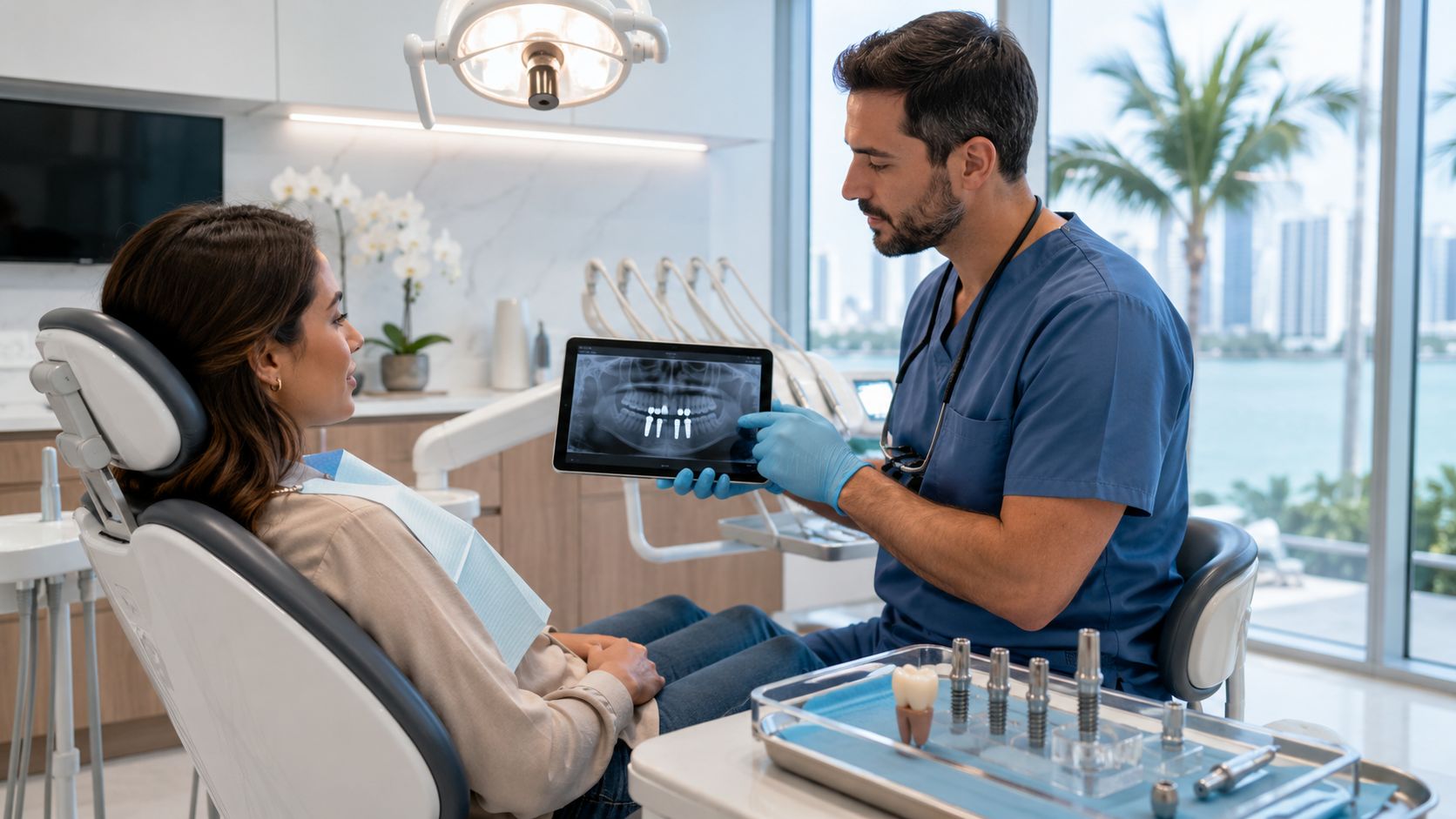
For sedation dentistry, the pre-op plan should be specific. A Miami dental team should review the exact timeline, the medications, and the ride home before the procedure is booked, not after the chair is already reclined. If the case involves wisdom teeth, sedation options for wisdom teeth extraction should be part of that conversation so the patient knows what to expect and what the trade-offs are.
Your Pre-Surgery Checklist and Next Step in Miami
A simple timeline keeps everything readable:
| When | What to Do |
|---|---|
| 2 to 8 weeks out | Improve sleep, walk daily, increase protein, reduce or stop nicotine, and get blood sugar reviewed if needed. |
| 1 week out | Reconfirm the procedure, anesthesia plan, medication list, and any testing or insurance steps. |
| Day before | Follow fasting instructions exactly, fill prescriptions, and prepare soft foods and ice packs. |
| Morning of surgery | Wear loose clothes, leave jewelry and makeup at home, and bring ID, insurance, and medication information. |
| Trip home | Use the arranged ride, stay with a responsible adult if sedation was used, and rest as instructed. |
The best surgery prep is calm, specific, and early. It doesn't depend on guesswork, and it doesn't start at midnight. For patients in Downtown Miami, Midtown Miami, or Hallandale Beach who are planning implants, wisdom teeth removal, or any sedated procedure, the next step is a consultation that reviews the timeline in person and makes the plan fit the case.
If surgery or sedation dentistry is on the calendar, Ultra Smile DentalSpa in Miami can review the procedure, medications, fasting window, and recovery plan before the appointment day arrives. Visit Ultra Smile DentalSpa to schedule a consultation and get a clear, patient-specific plan for your dental surgery or sedation visit.