Cost Dental Implant Explained: What’s Included in the Price?
More people than ever are choosing dental implants to restore their smiles. This treatment offers a permanent, natural-looking solution for missing teeth that dentures and bridges simply cannot match. Patients appreciate how implants restore their ability to eat, speak, and smile with total confidence.
However, when considering this life-changing procedure, one question usually dominates the conversation: how much does it cost? The price tag for dental implants can seem high at first glance. It varies widely from patient to patient, which can make budgeting for the procedure feel confusing.
At Ultra Smile, a premier dental practice in Miami, FL, we believe in complete transparency. We know that understanding financial investment is a critical part of your healthcare journey. Hidden fees and vague estimates only add stress to what should be an exciting transformation.
This guide will demystify cost dental implant to help you make informed decisions about your oral health. We will break down exactly what goes into the price, explore the factors that influence your final bill, and explain why this treatment is one of the best investments you can make for your long-term well-being.
Understanding Dental Implants
To understand the cost, you first need to understand the product. Dental implants are not just simple artificial teeth. They are complex medical devices designed to mimic your natural tooth structure.
What are dental implants?
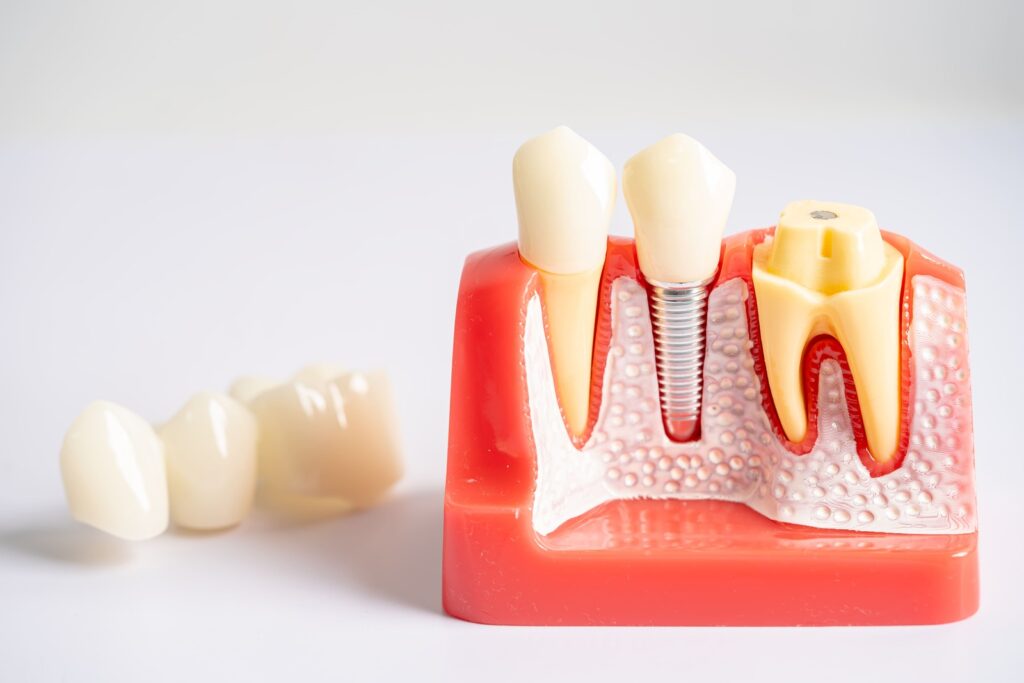
A standard dental implant consists of three main components:
The Post: A small screw surgically placed into the jawbone, acting as an artificial tooth root.
The Abutment: A connector piece attached to the top of the post.
The Crown: The visible, custom-made artificial tooth that attaches to the abutment.
Implants offer incredible benefits, including high durability, excellent aesthetics, and the restoration of full chewing function.
Types of dental implants
Not all implants are exactly the same. Your specific needs will dictate the type of implant used:
Endosteal implants: The most common type, surgically placed directly into the jawbone.
Subperiosteal implants: Placed under the gum but above the jawbone, typically for patients lacking healthy bone structure.
Mini implants: Narrower implants often used to stabilize lower dentures or when space is highly restricted.
The dental implant process
Getting an implant is a journey that happens in stages. It begins with an initial consultation and assessment. Next comes the implant placement surgery. After surgery, a period of osseointegration occurs, allowing the bone to fuse tightly with the implant. Finally, the abutment and custom crown are securely placed.

Factors Influencing Dental Implant Cost
No two smiles are identical. Therefore, no two dental implant treatment plans will cost exactly the same amount. Several key factors influence the final price you will pay.
Number of Implants Needed
The most obvious factor is the number of teeth you need to replace. A single-tooth implant requires one post, one abutment, and one crown. If you are missing multiple teeth, the cost will increase accordingly.
For patients missing most or all of their teeth, full-arch implants offer an excellent solution. Procedures like the All-on-4 or All-on-6 use four to six strategically placed implants to support a complete arch of prosthetic teeth. While the overall cost is higher than a single implant, it is much more cost-effective than replacing each tooth individually.
Type of Implant Material
The materials used for your implant components also affect the price. The implant post is traditionally made of titanium, a highly durable metal that is biocompatible with the human body.
Zirconia is an alternative material gaining popularity. It is a strong, metal-free ceramic. Some patients prefer zirconia for holistic reasons or because they have specific metal allergies. Zirconia implants typically cost slightly more than standard titanium options.
Location of the Missing Tooth
Replacing a front tooth usually costs more than replacing a back tooth. Front teeth are highly visible, requiring a more complex aesthetic approach. The dentist must carefully match the angle, shape, and gumline to ensure the new tooth blends perfectly with your natural smile. Back teeth require a focus on heavy bite force and durability.
Geographic Location of the Practice
The city and state where you receive treatment play a significant role in the cost. Operating a high-end medical facility in a major metropolitan area involves different overhead costs compared to a rural town.
In Miami, FL, patients have access to some of the top dental specialists in the country. While costs in major cities can be higher than national averages, Ultra Smile offers highly competitive pricing. We balance world-class expertise with accessible, transparent fees so our patients receive exceptional value.
What is Included in the Price?
When you receive a quote for dental implants, it represents a series of medical procedures, custom laboratory work, and specialized care. Here is a comprehensive breakdown of what you are actually paying for.
Initial Consultation and Diagnostic Imaging
Your treatment begins with a thorough evaluation. This phase includes 2D X-rays and 3D CT scans. These advanced imaging tools allow the dentist to view the exact structure of your jaw, locate nerves, and measure bone density. This step is crucial for safe, precise surgical planning.
Pre-Surgical Procedures
Many patients require preparatory procedures before their jaw is ready to receive an implant. If you have a damaged or decaying tooth still in place, it will need to be extracted.
If your jawbone is too thin or soft, you may need a bone grafting procedure. The dentist adds bone material to the area to create a solid foundation for the implant. If you are replacing an upper back tooth, you might require a sinus lift to raise the sinus floor and make room for the new bone. Additionally, any active gum disease must be treated before surgery can begin. Each of these necessary prep steps adds to the overall cost.
The Implant Surgery
The surgery itself requires specialized skills, sterile equipment, and clinical time. A portion of your cost goes toward anesthesia. Depending on your comfort level and the complexity of the surgery, you might receive local anesthesia, oral conscious sedation, or IV sedation. The surgical placement of the implant post demands extreme precision to ensure long-term success.
Abutment Placement
Once osseointegration is complete, the gums are opened slightly to attach the abutment. This phase covers the cost of the abutment piece itself and the clinical procedure required to secure it to the titanium post.
Dental Crown and Prosthesis
The crown is the part of the implant you will see and use every day. Your quote includes the cost of the materials—such as porcelain, ceramic, or zirconia—and the highly specialized dental laboratory fees. Skilled technicians craft your crown to match the exact shade and shape of your surrounding teeth. In some cases, you may also receive a temporary crown to wear while the permanent one is being created.
Follow-up Appointments
Proper post-operative care ensures your implant heals correctly. Your total cost typically covers multiple follow-up appointments. During these visits, the dentist checks your healing progress, removes any sutures, and makes minor adjustments to your bite once the crown is placed.
Understanding Payment Options and Insurance
Navigating the financial side of dental care can be intimidating. Knowing your options can make the process much smoother and more affordable.
Dental Insurance Coverage
Historically, dental insurance considered implants a “cosmetic” procedure and offered zero coverage. Fortunately, this is changing. Many modern insurance plans now cover a portion of the implant process.
While they might not cover the surgical placement of the titanium post, they often pay a percentage of the crown, the tooth extraction, or the diagnostic X-rays. Our team at Ultra Smile will help you review your policy, understand your specific coverage limits, and maximize your available benefits.
Financing Options
If insurance does not cover the full amount, financing options can break the cost into manageable monthly payments. Many practices offer in-house payment plans.
Third-party financing companies, such as CareCredit, specialize in healthcare expenses. They often provide short-term financing with zero percent interest, allowing you to get the care you need immediately while paying it off over time.
Health Savings Accounts (HSAs) and Flexible Spending Accounts (FSAs)
If you have an HSA or FSA through your employer, you can use these tax-advantaged funds to pay for dental implants. Because implants are a recognized medical and dental expense, using these accounts is an excellent way to reduce your out-of-pocket burden using pre-tax dollars.
Why Choose Ultra Smile for Your Dental Implants?
Selecting the right provider is just as important as choosing the right treatment. Residents in Miami, FL, trust Ultra Smile for their implant procedures for several key reasons.
Expertise and Experience
Our clinic is staffed by highly qualified implant specialists. We utilize advanced technology and cutting-edge surgical techniques to ensure every procedure is safe, efficient, and precise. Experience matters when it comes to oral surgery, and our team has successfully placed thousands of implants.
Transparent Pricing Policy
We respect your budget. Ultra Smile operates with a strict policy of transparent pricing. During your consultation, we provide a detailed cost breakdown outlining every phase of your treatment. You will never encounter hidden fees or surprise bills at the end of your procedure.
Patient-Centered Care
We treat patients, not just teeth. We develop personalized treatment plans tailored to your specific goals and health profile. Our Miami office is designed to be a comfortable, welcoming environment that eases dental anxiety. From your first consultation through your comprehensive aftercare, we support you every step of the way.
Long-Term Value and Return on Investment
When evaluating the cost of dental implants, you must look beyond the initial price tag. Traditional dentures and bridges usually require replacement every five to ten years. Over a lifetime, the repeated costs of adjustments, special cleaning solutions, and replacements can easily surpass the price of an implant.
Dental implants offer incredible durability. With good oral hygiene, the titanium post can last a lifetime, and the crown can easily last 15 years or more.
More importantly, implants protect your oral health. They stimulate the jawbone to prevent bone loss and stop surrounding teeth from shifting. The improvement in your quality of life—eating your favorite foods without pain, speaking clearly, and smiling without hesitation—provides a return on investment that is truly priceless.
Secure Your Smile’s Future Today
The cost of a dental implant reflects a comprehensive, highly customized medical procedure. You are paying for advanced imaging, surgical expertise, high-quality materials, and custom laboratory work. While the initial investment is significant, the long-term benefits to your health, confidence, and daily comfort make dental implants the gold standard for tooth replacement.
You deserve a smile that looks, feels, and functions naturally. If you are ready to explore your tooth replacement options, the team at Ultra Smile in Miami, FL, is here to guide you. Contact us today to schedule your comprehensive consultation. We will provide a personalized evaluation, a clear treatment plan, and a transparent quote to help you take the first step toward your brand new smile.
Ultra Smile DentaSpa
https://maps.app.goo.gl/aZyhKAnrJbTXqQFv8
(305) 676-5330
111 NE 32nd St, Miami, FL 33137, United States
https://www.ultrasmilemiami.com/