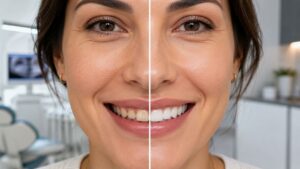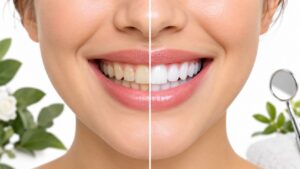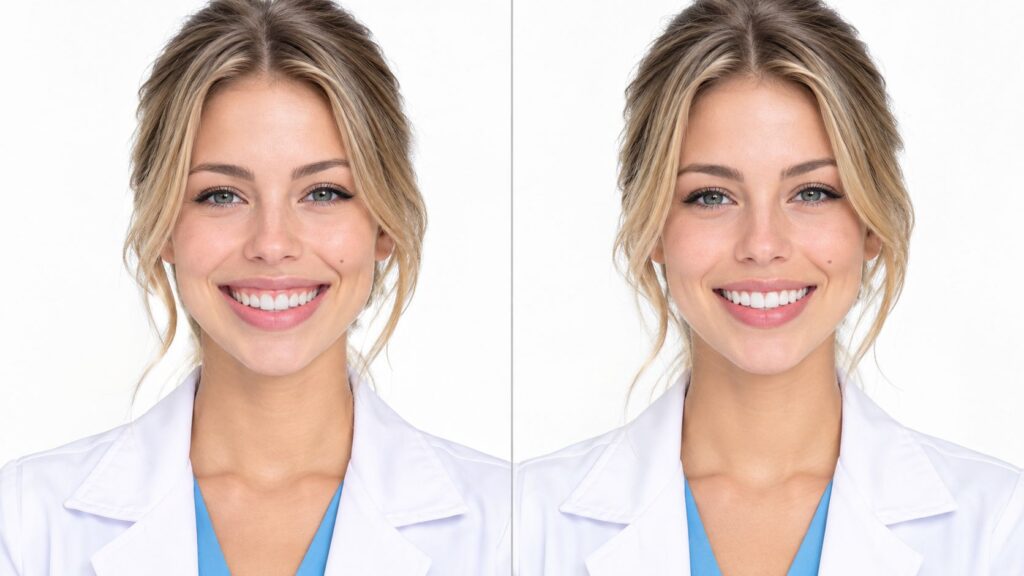
A Miami professional may smile freely with friends, then angle every phone downward before a photograph. Some keep their lips pressed together so the gums disappear. Others feel self-conscious while speaking, even though their teeth and gums are healthy. Gummy smile correction can help, but the right treatment depends on why excess gum shows, not just how much appears.
At Ultra Smile DentalSpa, patients seeking a cosmetic dentist near me often ask whether Botox, gum contouring, veneers, orthodontics, or surgery will create the most balanced result. Each option solves a different problem. A careful diagnosis can prevent a temporary treatment from being used for a structural concern, or a major operation from being recommended when a conservative approach may be appropriate.
Table of Contents
- What Counts as a Gummy Smile in Miami
- The Four Real Causes of Excessive Gingival Display
- Every Correction Option Worth Considering
- Short-Term Results vs Long-Term Stability
- Who Is a Good Candidate and How Ultra Smile Plans Your Case
- What Visiting Ultra Smile DentalSpa Actually Feels Like
- Gummy Smile Correction Questions Miami Patients Ask Most
- Start With a Miami Consultation You Can Trust
What Counts as a Gummy Smile in Miami
A gummy smile, clinically called excessive gingival display, generally means more than 2 mm of gum shows above the upper incisors during a maximum smile, according to a clinical review of gummy smile diagnosis and treatment selection. A commonly used aesthetic benchmark places attractive gingival display at about 1–2 mm. More than 3 mm is often considered undesirable in cosmetic dentistry, as described in NCBI clinical reference material.
The measurement is a starting point, not a diagnosis. A spontaneous social smile may expose less gum than a posed smile, which can lift the upper lip more forcefully. Resting lip position also matters. A higher lip at rest may suggest a lip-related or skeletal factor, while a normal resting position with excess display during smiling may point toward lip hyperactivity.
Why a small difference can matter
Many Miami adults seek treatment because the display feels excessive to them, even when it sits near a textbook threshold. About 10% of people aged 20–30 are reported to have excessive gingival display, while a systematic review estimates prevalence in the general population at roughly 10%–30%. One study of young adults reported a 10.5% prevalence and found that women were affected about twice as often as men, according to the NCBI reference on excessive gingival display.
The concern can affect daily behavior. Patients may avoid photographs, monitor their speech, or hold back a natural laugh. At Ultra Smile DentalSpa, those concerns are considered alongside the clinical examination. Gum exposure can result from the gums, tooth eruption, upper-lip movement, jaw growth, or several factors together. That distinction guides whether a temporary option such as Botox is appropriate or whether a more stable dental or surgical correction deserves discussion.
Practical rule: Visible gum is the symptom. The cause determines the correction.
The Four Real Causes of Excessive Gingival Display
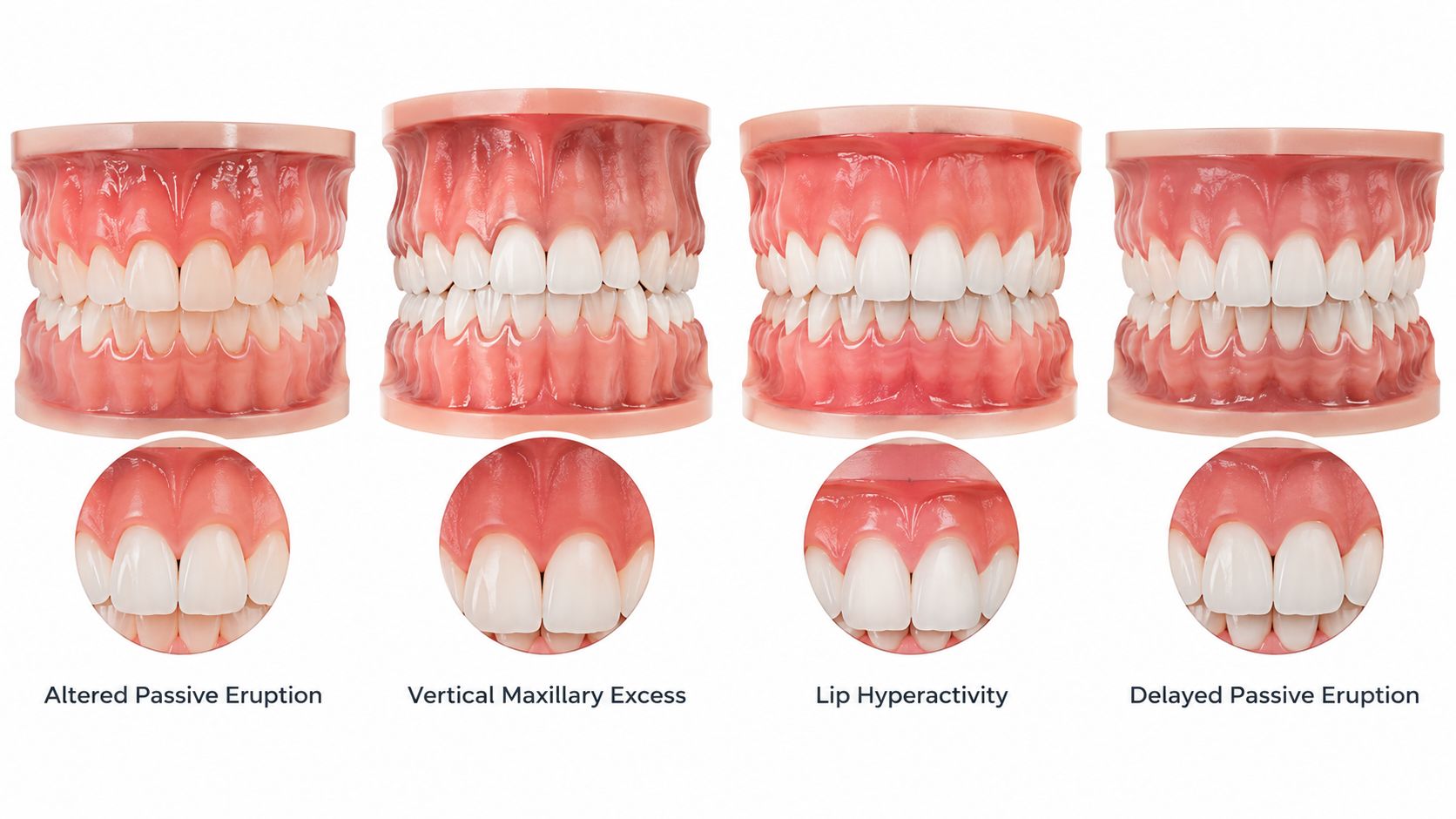
A useful consultation starts by separating appearance from anatomy. Four causes appear repeatedly in gummy smile assessments, and each leaves different clues.
Altered passive eruption
In altered passive eruption, the gumline doesn't move to its expected position after the tooth emerges. The teeth may look short because gum covers more of the visible crown. A clinician evaluates the amount of enamel showing, the gum-to-tooth relationship, and the underlying bone before recommending gum contouring or crown lengthening.
Vertical maxillary excess
Vertical maxillary excess means the upper jaw has developed with excessive downward height. A patient may show more gum not only during a full smile, but also at rest. Facial proportions, incisor display, lip posture, and the relationship between the upper and lower jaws help identify this cause.
Lip hypermobility
A hypermobile upper lip rises too far during smiling. The teeth may have normal proportions, and the gumline may be healthy, yet the lip exposes excessive gingiva during a posed or spontaneous smile. Botulinum toxin targets this dynamic movement, making it the most direct nonsurgical option for this specific cause.
Dentoalveolar extrusion
With dentoalveolar extrusion, upper teeth have over-erupted and carried the surrounding gumline downward. Incisor display at rest, tooth position, bite relationships, and orthodontic records help distinguish this problem from a short tooth or an overactive lip.
These causes can overlap. A patient may have short-looking crowns and lip hypermobility, or dental extrusion with a skeletal component. Botox only addresses lip movement, so it won't correct excess bone, tooth position, or gum covering the crown. Accurate cause identification is therefore the foundation of every responsible gummy smile correction plan.
Every Correction Option Worth Considering
A patient may show excessive gum because the upper lip rises too far, the gumline covers too much of the crown, the teeth have over-erupted, or the upper jaw is vertically long. Treatment should match that cause, along with the patient's tolerance for surgery and expectations for permanence. No single procedure corrects gum position, tooth position, lip movement, and facial structure at the same time.
| Option | Best For (Cause) | Durability | Recovery | Miami Cost Range |
|---|---|---|---|---|
| Botox or botulinum toxin | Lip hypermobility | Temporary, commonly about 4–6 months | Minimal downtime | Varies by treatment plan |
| Orthodontic intrusion | Dentoalveolar extrusion | Long-term when retention and bite are managed | Gradual treatment period | Varies by complexity |
| Gingivectomy or gum contouring | Altered passive eruption with adequate biologic width | Long-lasting structural change in selected teeth | Short soft-tissue recovery | Varies by number of teeth |
| Esthetic crown lengthening with osseous recontouring | Altered passive eruption with excess bone | Long-lasting structural correction | Surgical healing period | Varies by extent |
| Lip repositioning surgery | Hypermobile lips that don't respond adequately to Botox | Longer-lasting, with possible relapse | Surgical recovery | Varies by surgeon and case |
| Le Fort I orthognathic surgery | Vertical maxillary excess | Durable skeletal correction | Major surgical recovery | Varies substantially by hospital and surgical plan |
| Porcelain veneers | Tooth-proportion refinement after gum or jaw correction | Long-term with careful occlusal management | Usually limited dental recovery | Varies by number of veneers |
Matching treatment to the cause
Botulinum toxin fits lip hypermobility when the teeth and gumline are otherwise proportionate. It reduces upper-lip elevation without changing bone, tooth position, or gum tissue. Reviews describe a rapid but temporary effect, generally lasting about 4–6 months. One meta-analysis found the strongest effect around 2 weeks, with a mean gingival-display reduction of 3.42 mm in the analyzed protocols, as reported in PubMed's systematic review record. At the six-month point, many patients need reassessment or another treatment.
Orthodontic intrusion addresses dentoalveolar extrusion by moving over-erupted upper teeth upward. Clear aligners or other orthodontic systems may be appropriate, but the plan must account for bite, roots, anchorage, and retention. Patients considering teeth straightening with Invisalign need an examination to determine whether aligners can produce the required movement. Covering a low gumline with veneers does not correct the underlying tooth position.
Gingivectomy and laser gum contouring remove excess soft tissue when enough healthy crown is already present and the bone sits at a safe level. The procedure can be effective for selected cases of altered passive eruption. If bone prevents the gum from moving without violating the biologic width, esthetic crown lengthening adds osseous recontouring. Healing and final gum levels must be considered before restorative work.
Lip repositioning limits upward movement by modifying the soft-tissue attachment. It can suit a patient who responds to Botox but wants fewer repeat injections. Results may still relapse, and the procedure does not correct a long upper jaw or an over-erupted tooth.
Le Fort I orthognathic surgery treats vertical maxillary excess at the jaw level. It is the most extensive option listed, with major surgical recovery, but it can provide durable skeletal correction when facial proportions, tooth display at rest, and jaw relationships support that approach.
Porcelain veneers refine tooth shape and proportions after the gumline or jaw position has been addressed. They do not correct a hyperactive lip or long upper jaw. Patients considering porcelain veneers in Miami should view veneers as an adjunct rather than the primary gummy smile treatment.
At Ultra Smile DentalSpa, the fee depends on examination findings, imaging, tooth count, surgical involvement, and restorative needs. A clear plan should separate the cost of each phase instead of combining unrelated services into one cosmetic package.
Short-Term Results vs Long-Term Stability
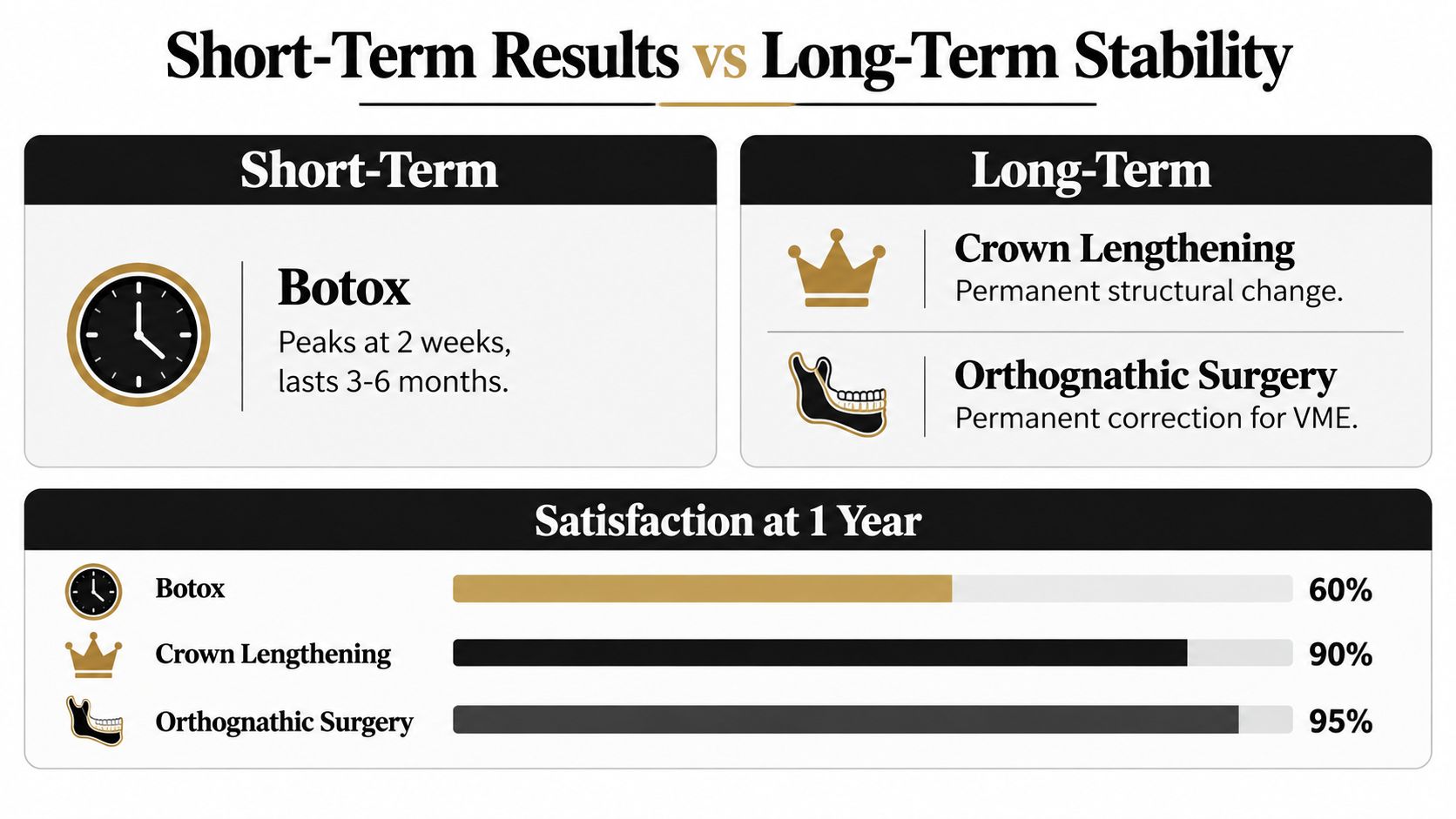
A smile can look excellent immediately after treatment and still need maintenance. Botox shows this difference clearly. Its effect develops over the early weeks and gradually fades, so patients who choose it should plan for repeat visits rather than expect a permanent change. The treatment is most appropriate when excessive gingival display comes from an overactive upper lip, not from altered eruption or a long upper jaw.
The durability gap becomes clearer over time. A review comparing nonsurgical and surgical approaches found similar early results at 1 month, while by 6 months the average reduction in gingival display was 0.51 mm for nonsurgical care versus 2.86 mm for surgery, as reported in a review comparing surgical and nonsurgical approaches. Botox remains a reasonable choice for a lip-dynamic problem, provided the patient accepts maintenance. Patients seeking tooth movement may also need Invisalign teeth straightening in Miami when alignment contributes to the display.
Where expectations often diverge
Lip repositioning can reduce gingival exposure in the short and medium term. A systematic review and meta-analysis reported a mean reduction of about 3.03 mm. Adding botulinum toxin may improve the early appearance, but its effect commonly fades by 9–12 months. For suitable patients, lip repositioning can offer greater stability than injections, while still carrying relapse risk, as detailed in the lip repositioning evidence review.
Gingivectomy and crown lengthening change the relationship between gum and tooth, but gum thickness, hygiene, bone position, and healing influence the final result. Orthognathic surgery offers durable skeletal correction when vertical maxillary excess is the cause, with substantially greater planning and recovery demands.
Ultra Smile DentalSpa can document baseline and follow-up photographs using consistent smile views. Comparing lip height, gingival exposure, tooth display, and symmetry over time gives patients a clearer assessment than relying on memory or one postoperative image.
Who Is a Good Candidate and How Ultra Smile Plans Your Case
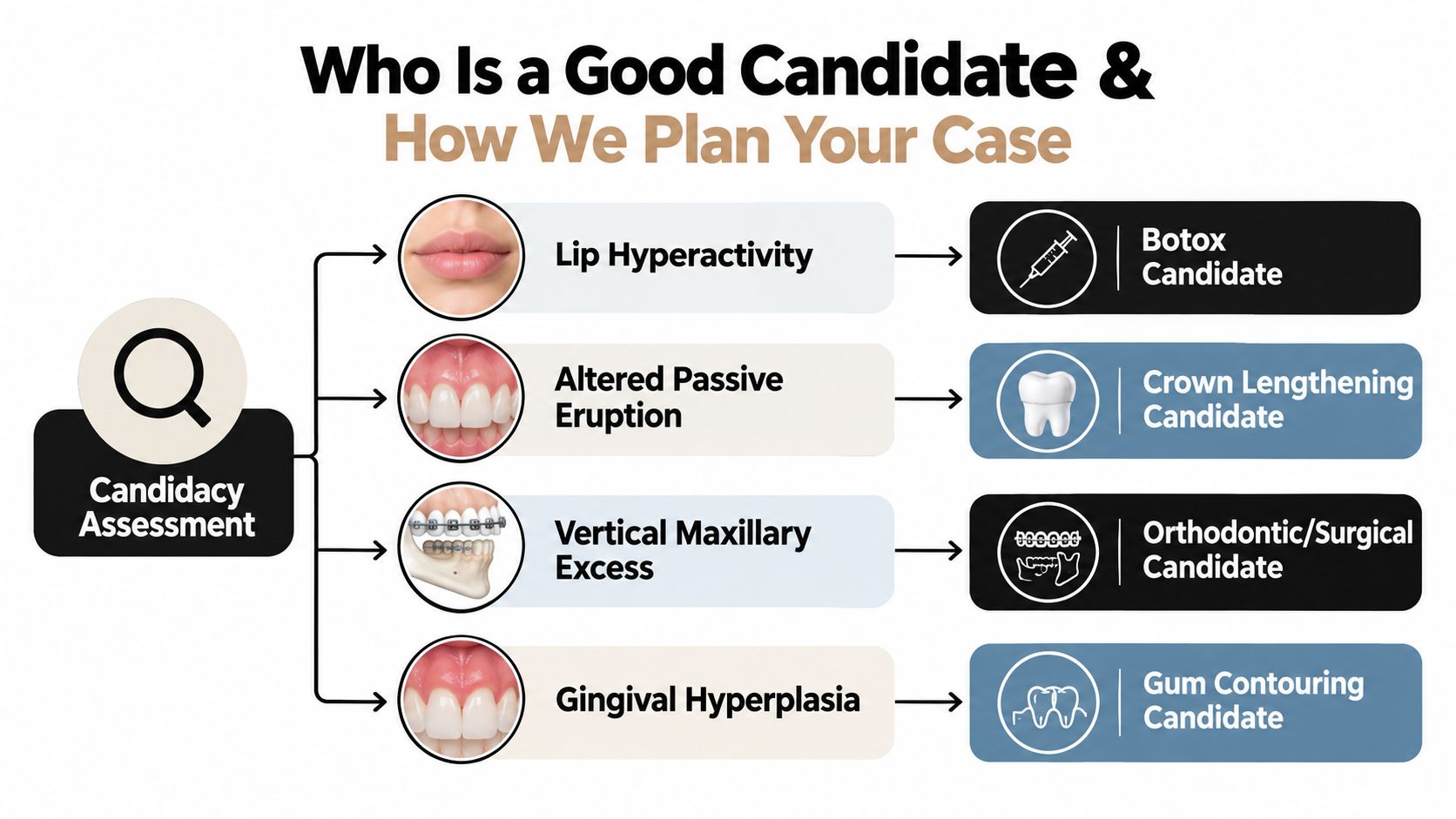
Candidacy follows the cause. A patient whose upper lip rises excessively may be a Botox candidate. Someone with altered passive eruption may benefit from crown lengthening, while vertical maxillary excess may require orthodontic and surgical evaluation. Short clinical crowns may also support restorative planning, but veneers should improve tooth proportions without hiding an untreated skeletal or periodontal issue.
The diagnostic sequence
A careful Miami consultation can include:
- Periodontal charting: The team checks gum health, tissue levels, probing findings, and the amount of tooth structure available.
- Dental imaging: Periapical images or CBCT may clarify bone position, root anatomy, tooth eruption, and skeletal relationships when indicated.
- Facial photography: Intraoral and DSLR photographs capture the face at rest, during a natural smile, and during a full posed smile.
- Digital design: A digital wax-up can help patients visualize proposed tooth proportions before restorative treatment.
- Interdisciplinary review: Periodontists, orthodontists, or oral surgeons may participate when the diagnosis extends beyond a straightforward soft-tissue correction.
The dentist also reviews prior orthodontic treatment, periodontal procedures, bite changes, medications, and the patient's preferred level of invasiveness. A written sequence should identify what happens first, which steps depend on healing or tooth movement, and what alternatives remain available.
A sound plan names the trade-off. Patients should know whether they're choosing temporary improvement, structural correction, or a staged combination.
Treatment discussions at Ultra Smile DentalSpa are designed around goals, timelines, costs, and contingencies. A patient may choose to start with a conservative option, assess the result, and then decide whether a more durable procedure is worthwhile.
What Visiting Ultra Smile DentalSpa Actually Feels Like
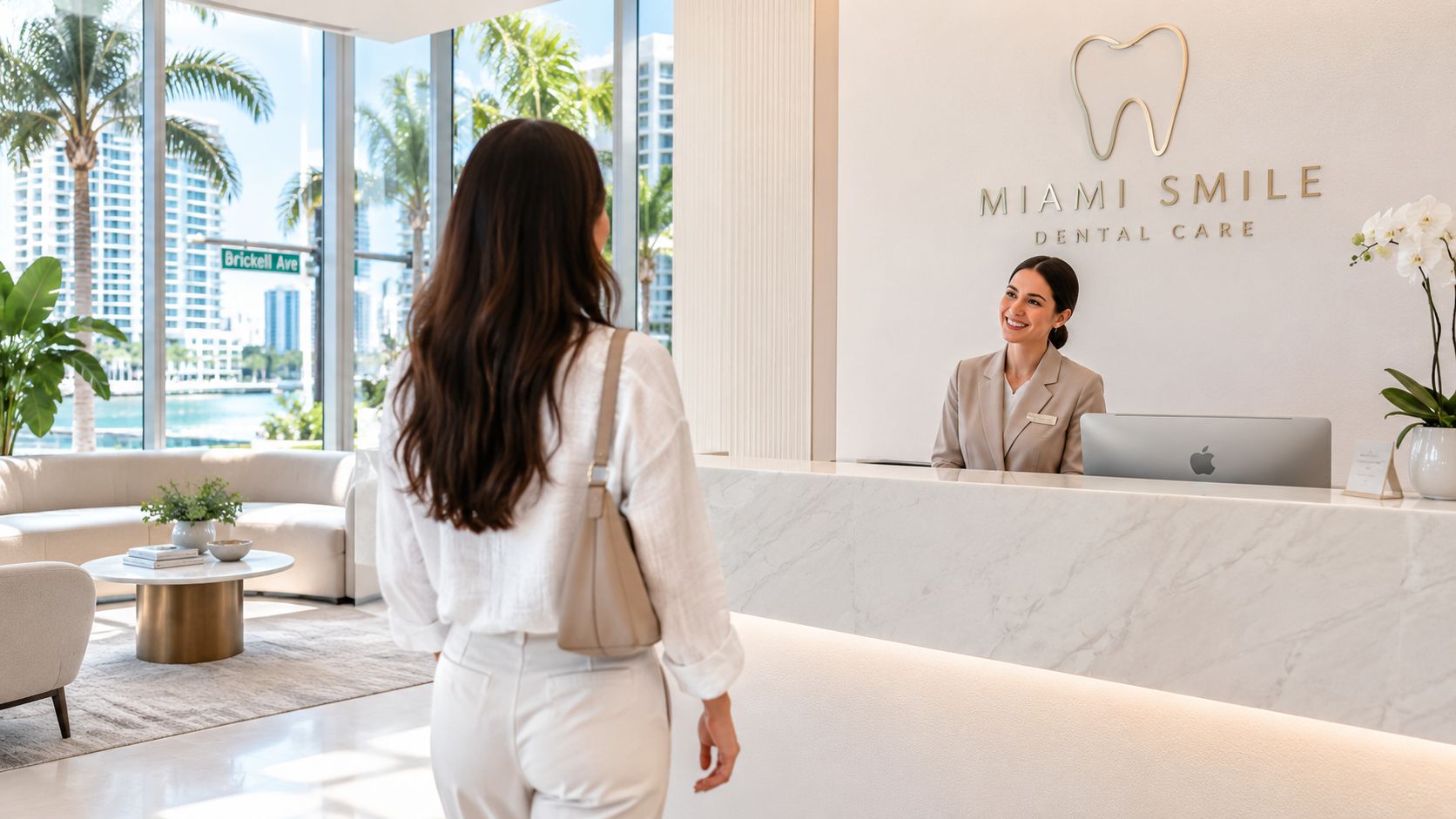
The patient journey begins with a phone call or online request, often from someone searching for a dentist in Miami, FL, a cosmetic dentist, or a dentist near me who can explain options without pressure. A concierge-style greeting, a calm reception area, and a private consultation room help separate the first visit from the rushed experience many anxious patients expect.
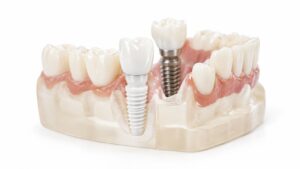
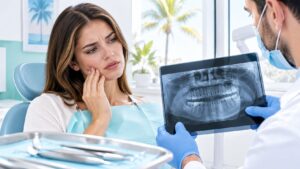
Patients may have photographs and imaging taken before the dentist reviews the findings on a chairside monitor. The conversation should cover the visible concern, the suspected cause, oral health, possible alternatives, and whether related services such as cleaning and exams, dental x-rays, Invisalign, veneers, gum contouring, restorative dentistry, or dental implants are relevant to the broader smile plan.
Procedure-day comfort can include warm towels, noise-canceling headphones, streaming entertainment, refreshments, aromatherapy, and optional sedation when clinically appropriate. Those details don't replace sound diagnosis, but they can make it easier for a patient to remain comfortable during a longer appointment.
A recovery plan explains what to eat, how to clean the treated area, which symptoms are expected, and when to call. Follow-up communication may include checks at 1 week, 1 month, and 6 months, depending on the procedure and healing pattern. Patients who need other care, such as a tooth extraction, dental implants, or an emergency dentist, can discuss sequencing so one treatment doesn't interfere with another.
The practice serves patients around Downtown Miami, Midtown Miami, and Hallandale Beach. A calm setting and clear communication matter most when a patient is comparing cosmetic care with more extensive periodontal, orthodontic, or oral surgery treatment.
A brief visual introduction to the patient experience can be viewed below.
Gummy Smile Correction Questions Miami Patients Ask Most
When will results appear?
Botox changes may begin around day 3–5, reach their strongest effect near 2 weeks, and fade over roughly 4–6 months, based on the clinical evidence summarized in the botulinum toxin review. Surgical corrections generally stabilize during healing, often discussed clinically over 6–12 weeks, and can last for years when the underlying cause has been addressed.
Does gummy smile correction hurt?
Most patients describe crown lengthening or lip repositioning as soreness for around 2–3 days, often managed with ibuprofen when medically appropriate. Sharp or worsening pain isn't an expected substitute for routine postoperative discomfort and should be reported to the dental team.
Will insurance help pay?
Cosmetic Botox and veneers are typically self-pay. Documented functional needs involving orthognathic surgery or periodontal correction may qualify for partial coverage, depending on the plan and clinical documentation.
Is the result permanent?
Gingivectomy and crown lengthening create permanent structural changes for the treated teeth, although surrounding tissues and facial structures can change over time. Botox requires repeat visits, while veneers are commonly discussed as lasting 10–15 years with care, as outlined in the clinical overview of gummy smile treatment.
Start With a Miami Consultation You Can Trust
A consultation is the sensible first step for anyone who has recognized their own smile in this guide. The appointment should answer three questions: what causes the gum display, which correction matches that cause, and how much change is reasonable without compromising gum health, tooth function, or facial balance.
Patients can prepare by requesting a consultation through the practice website or phone, bringing two or three photos of the smile taken in natural light, and listing prior orthodontic or periodontal treatment. Photos taken with a relaxed smile and a full smile can help the dentist compare lip movement and tooth display before the clinical examination.
The first visit should be a diagnostic conversation, not a commitment to Botox, veneers, or surgery. Treatment can be sequenced so a patient starts with the least invasive appropriate option, evaluates the result, and reassesses whether additional correction is justified.
The same principle applies when a gummy smile appears alongside other concerns. A patient searching for Dental implants near me, teeth whitening, an emergency dental service, or a tooth extraction may need a broader plan, but each service should still be scheduled according to health, function, and healing. Matching treatment to anatomy is more dependable than defaulting to the most heavily marketed procedure.
Ultra Smile DentalSpa provides personalized gummy smile correction consultations in Miami, including evaluation of lip movement, gum position, tooth proportions, and jaw relationships. Visit Ultra Smile DentalSpa to request an appointment, bring the recommended smile photographs, and discuss a sequenced plan before choosing any procedure.