A lot of Miami patients start in the same place. They know they want a better smile, or they need to fix a damaged tooth, but they don't know what the dentist is placing in their mouth. A crown sounds simple. A veneer sounds cosmetic. An implant sounds permanent. Then the questions start. What material lasts longer? What looks the most natural? What feels the safest?
Those questions are more significant than often recognized. The shape of a restoration is only part of the story. The material underneath affects how a crown holds up when chewing, how a veneer reflects light, how a filling bonds to a tooth, and how an implant works with the jawbone over time. For patients looking for a dentist in Miami, FL, a cosmetic dentist near me, or dental implants near me, understanding material choice can make treatment decisions feel much less overwhelming.
Table of Contents
- Your Trusted Miami Dentist for Advanced Dental Care
- Why Material Choice Is a Foundation of Modern Dentistry
- Modern Ceramics Zirconia and Lithium Disilicate
- High-Performance Composites for Fillings and Bonding
- Biomaterials for Safe and Permanent Dental Implants
- Material Excellence at Ultra Smile DentalSpa in Miami
- Frequently Asked Questions About Dental Materials
Your Trusted Miami Dentist for Advanced Dental Care
A patient in Miami may come in excited about veneers, nervous about a crown, or frustrated after breaking a tooth right before an important event. Another may be dealing with a missing tooth and searching online for an emergency dentist, tooth extraction, or dental implants near me because chewing has become uncomfortable. In each case, the visible problem is only one part of treatment. The hidden question is which material will best support the smile afterward.
That's where modern dentistry has changed. Dental treatment is no longer limited to one standard option for everyone. Today's restorations can be selected with much more precision, based on where the tooth sits in the mouth, how much bite pressure it handles, how much natural translucency a patient wants, and whether the goal is repair, aesthetics, or both.
What patients often want but don't know how to ask for
Most patients aren't asking for zirconia, lithium disilicate, or bioactive composites by name. They're asking for outcomes.
- A front tooth that looks real: not flat, chalky, or overly opaque.
- A back tooth that feels dependable: something they can chew on without worry.
- A restoration that doesn't irritate the body: comfort matters as much as appearance.
- A result that lasts: fewer replacements usually means less disruption and less long-term stress.
Practical rule: The best material isn't the “newest one. It's the one that fits the tooth, the bite, the gums, and the patient's goals.
That patient-centered thinking is one reason interest in better materials has grown so quickly. The global dental biomaterial market is projected to reach USD 16.67 billion by 2035, driven by demand for cosmetic procedures and restorative materials with stronger aesthetic performance, according to Global Growth Insights on the dental biomaterial market.
Why this matters in Miami
In a city like Miami, patients often care a great deal about both appearance and practicality. They want a smile that looks polished in bright sunlight, on video calls, and in photos, but they also want restorations that can handle everyday life. That's true whether the visit is for cleaning and exams, new patient exams, teeth whitening, restorative dentistry, or a full cosmetic plan.
A strong dental result comes from matching the right material to the right job. The dentist's skill shapes the treatment, but the material helps determine how that treatment performs month after month.
Why Material Choice Is a Foundation of Modern Dentistry
A house can look beautiful on the outside and still fail if the foundation is weak. Dentistry works the same way. A crown may appear flawless on day one, but if the material doesn't suit the tooth, the bite, or the surrounding tissue, the restoration may not perform the way the patient expected.
Why the material matters every day
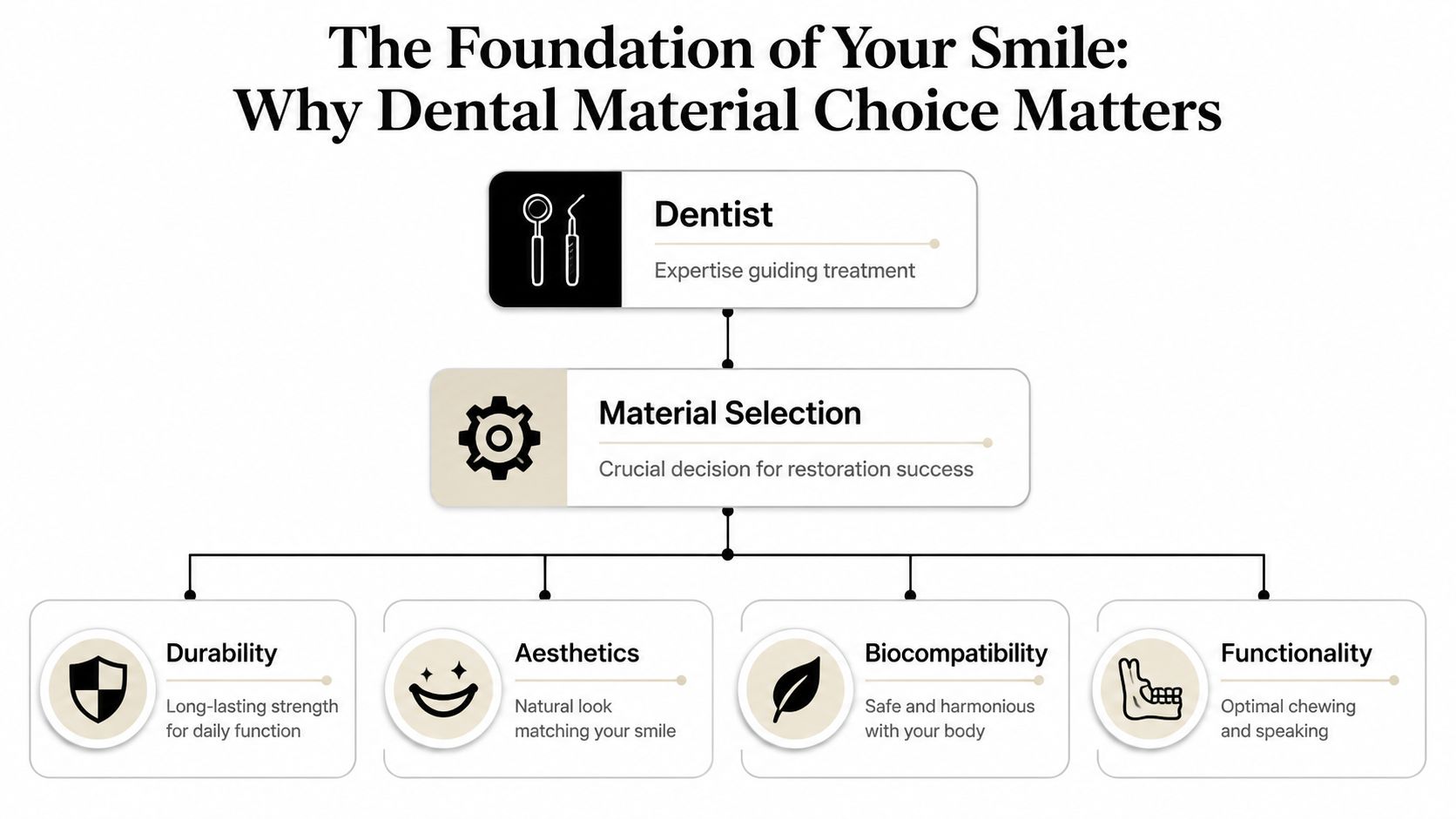
Patients usually hear technical words like biocompatibility, fracture resistance, or marginal fit. Those terms sound academic, but they translate into simple daily realities.
- Biocompatibility means the material works comfortably with the body.
- Strength means the tooth can handle normal biting and chewing forces.
- Aesthetics means the restoration blends with nearby teeth instead of standing out.
- Functionality means speaking, eating, and smiling feel natural.
A good material choice affects comfort in small, steady ways. It can influence whether a crown feels smooth at the gumline, whether a veneer catches light like enamel, and whether a filling supports the remaining tooth instead of just occupying space.
Why dentistry has moved away from older options
Dentistry hasn't stayed still. The field has moved away from older restorative materials when newer ones offered better appearance and more tooth-friendly performance. According to Market Intelo dental consumables market data, ceramics represented 24.6% market share and resin-based composites held 28.4%, reflecting a clear shift away from traditional silver amalgam toward materials chosen for fracture resistance and aesthetics.
That trend makes sense chairside. Patients don't just want something that fills a space. They want something that supports a healthy-looking smile.
A restoration should do four things at once. Protect the tooth, fit the bite, respect the gums, and look like it belongs there.
For patients seeking a dentist near me or a cosmetic dentist near me in Miami, material choice is part of quality care, not an optional upgrade. It shapes how natural the result looks and how confidently the patient uses that tooth afterward.
Modern Ceramics Zirconia and Lithium Disilicate
A Miami patient often asks a practical question after hearing the words "zirconia" or "lithium disilicate." Which one will look better, feel better, and last better on my tooth?
That is the right question.
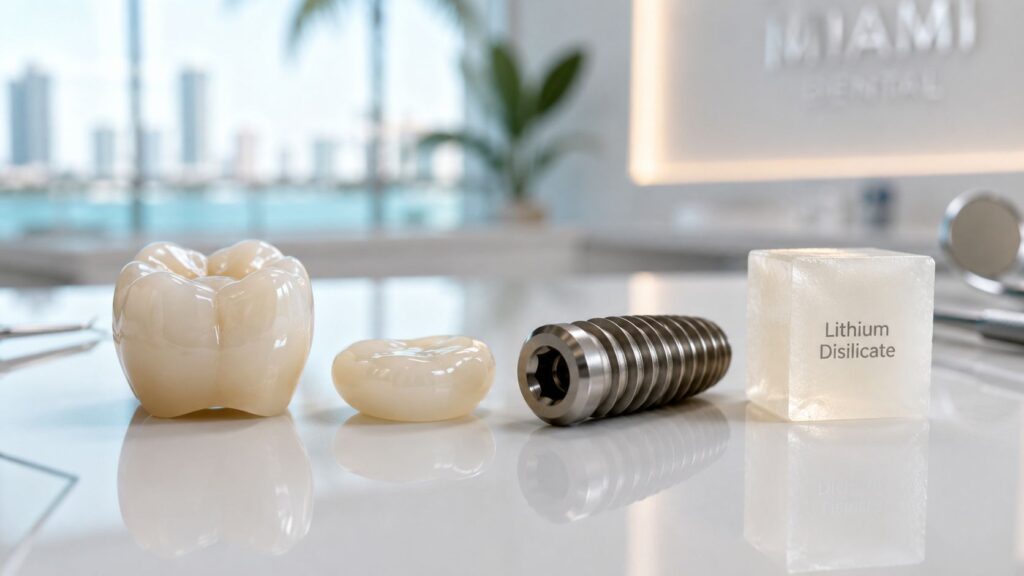
Ceramic dentistry has improved because we no longer have to treat every tooth the same way. A front tooth and a back molar do very different jobs. One needs to catch light like natural enamel. The other needs to handle years of chewing pressure. At Ultra Smile DentalSpa, material selection follows that reality. We match the ceramic to the tooth, the bite, and the smile goals, so the final result feels natural in daily life.
Two ceramic choices with different strengths
Zirconia is the stronger, tougher option in many cases. It works well for molars, patients with heavier bite forces, and teeth that need a crown built to tolerate daily stress. If you clench or grind, this category often deserves a close look because the material is known for durability.
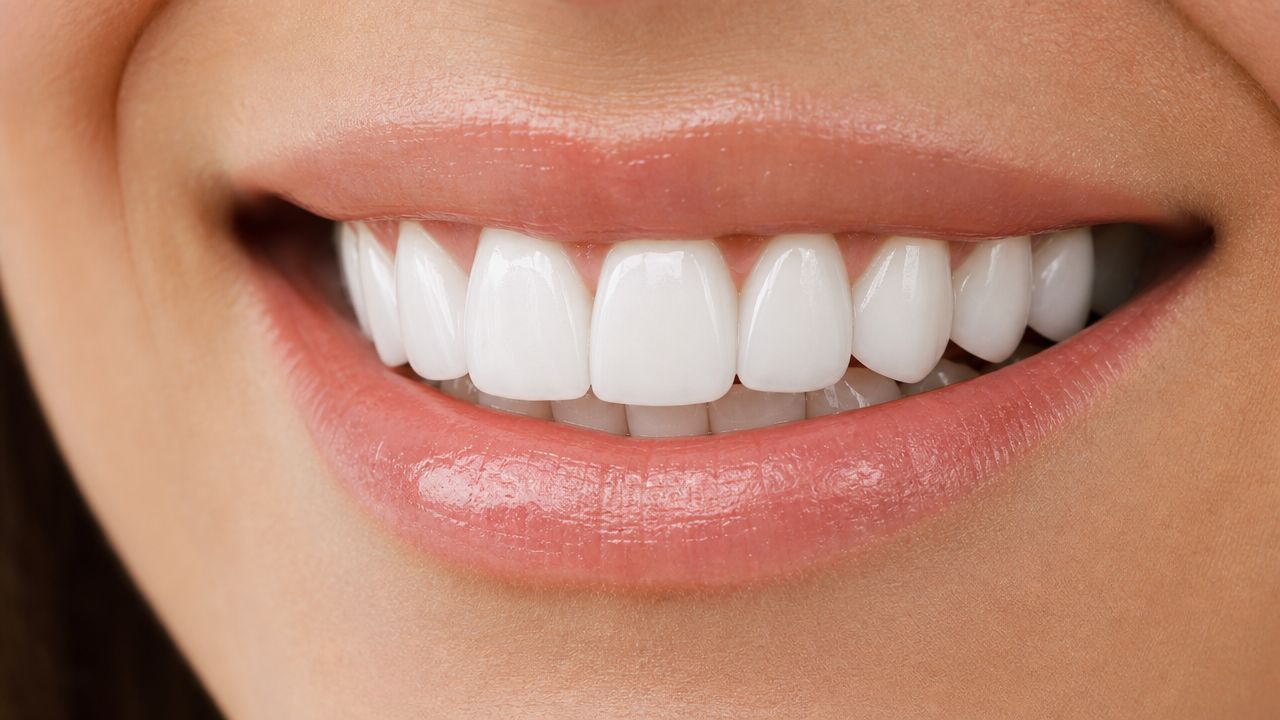
Lithium disilicate, often called eMax, is chosen often for visible teeth because it has a more enamel-like translucency. Light passes through it in a way that can make a crown or veneer blend more naturally with nearby teeth. For a front tooth, that difference matters. A restoration can be technically sound and still look slightly flat if the material is too opaque.
A simple comparison helps. Zirconia works like a strong protective shell. Lithium disilicate behaves more like polished glass that has been engineered for teeth. Both can be excellent. The better choice depends on where the tooth sits in your smile and what that tooth has to do every day.
A simple side-by-side comparison
| Material | Key Benefit | Best For | What it usually means for you |
|---|---|---|---|
| Zirconia | High strength | Molars, high-bite-force areas, some crowns and bridges | More confidence when chewing and a lower chance of choosing a material that feels too delicate for a hard-working tooth |
| Lithium disilicate | Natural translucency | Front teeth, veneers, cosmetic crowns | A more lifelike look in visible areas where color, brightness, and light reflection are easy to notice |
Patients comparing options can also review porcelain crowns vs metal crowns for visible teeth to see why ceramic restorations are often preferred when appearance is part of the goal.
What this means for real treatment choices
A chipped front tooth after an accident may call for lithium disilicate because matching the neighboring enamel is the priority. A worn back molar may point toward zirconia because the tooth needs dependable strength first. Some smiles benefit from both. That approach is common in modern cosmetic and restorative planning because different teeth face different demands.
Technology is fundamental to the patient experience. Digital scanning, shade analysis, and bite evaluation help the dentist choose a material with more precision instead of relying on habit. At Ultra Smile DentalSpa, that high-tech process supports a simple outcome. Your crown should look like it belongs in your smile and feel comfortable when you eat, speak, and bite down.
A helpful overview from Moderna Dental's porcelain crown guide explains why ceramics remain a popular choice for crowns that balance appearance and long-term function.
This short video gives a helpful visual overview of cosmetic ceramic restorations and smile design:
For Miami patients exploring cosmetic dentistry, veneers, or crowns, the takeaway is simple. The best result usually comes from choosing the right ceramic for that specific tooth, so your restoration supports your smile's beauty, comfort, and long-term health.
High-Performance Composites for Fillings and Bonding
Many patients still think a filling is just a filling. That used to be closer to the truth. Today, composite materials can do much more than cover a cavity.
Modern tooth-colored composites are used for everyday restorative care and for appearance-focused treatment like reshaping a chipped edge, closing a small gap, or smoothing a worn tooth. They're one of the clearest examples of how advanced dental materials can improve both form and function without making a tooth look repaired.
Why modern fillings look and act differently
Older silver amalgam restorations were built mainly to fill space and withstand pressure. Modern composites are different. Dentists can bond them directly to tooth structure, shape them precisely, and match them closely to surrounding enamel.
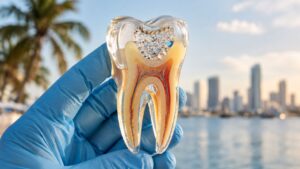
Some of the newest materials go even further. According to this review of smart resin composites in the National Library of Medicine, advanced composites can release fluoride, calcium, and hydroxyl ions when oral pH drops to 5.5, creating a protective response against demineralization that traditional materials can't provide.
Clinical takeaway: Not every tooth-colored filling is “smart. Many modern restorations still act as passive repairs, while newer bioresponsive composites are designed to react when the mouth becomes more acidic.
That distinction matters because patients often assume any white filling is actively protective. In reality, some materials are passive and some are designed to interact with the environment in a more useful way.
Where composites help beyond cavities
Composite resins also give dentists a conservative option. Instead of removing more healthy tooth structure to place a larger restoration, a bonded composite can often repair a localized problem more gently.
Common uses include:
- Small cavity repair: a natural-looking filling that blends with the tooth.
- Cosmetic bonding: reshaping a chipped front tooth or softening uneven edges.
- Closing narrow spaces: improving symmetry without moving immediately to veneers.
- Replacing old visible fillings: updating dark or worn restorations with a tooth-colored option.
Patients curious about the difference between old and new filling materials can compare composite fillings and amalgam fillings.
For patients seeking restorative dentistry in Miami, composites are often one of the most practical materials in the office. They can preserve more natural structure, improve appearance in a single visit, and in some cases provide added protective behavior when the material is designed to respond to acid challenges.
Biomaterials for Safe and Permanent Dental Implants
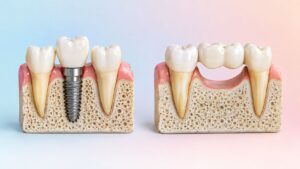
When a tooth is missing, the replacement has to do more than fill a visible gap. It has to work with the jawbone, support chewing, and stay comfortable in the mouth for years. That's why implant materials matter so much.
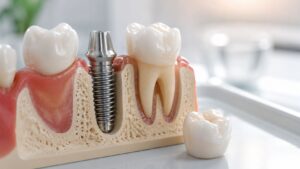
Dental implants are built from biomaterials that the body can accept. In simple terms, the implant material has to be compatible enough with surrounding tissue and bone that it can become stable over time. That biological partnership is a major reason implants feel so different from removable options.
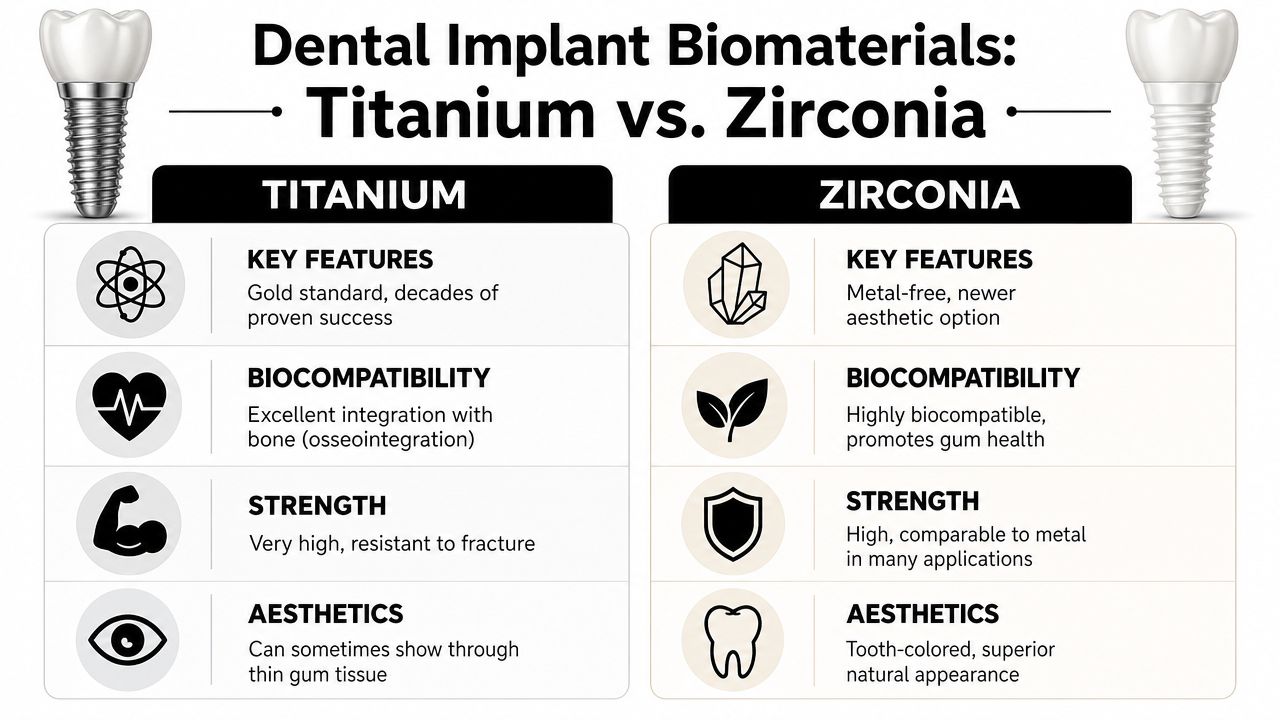
Titanium and zirconia are not identical choices
Titanium remains the material with the longest and strongest clinical track record in implant dentistry. It's widely used because it's highly biocompatible and has a long history of integrating well with bone. Patients looking into implants after a tooth extraction often end up hearing about titanium first for that reason.
Zirconia implants attract interest because they're metal-free and tooth-colored. For some patients, that aesthetic quality is appealing, especially in areas where gum tissue is thin or appearance is a major concern.
Still, these choices aren't interchangeable in every case. As explained in this discussion of modern dentistry in the USA, zirconia implants offer strong aesthetics and a metal-free option, but patients should balance that with biomechanical limits because titanium has a longer clinical history of durability in high-stress situations such as posterior bridges.
What patients searching for implants near me should ask
A patient doesn't need to choose an implant material based on marketing language. Better questions include:
- Where is the implant going? Front and back teeth have different demands.
- How strong is the bite? Heavy force changes what material makes the most sense.
- What does the gum tissue look like? Appearance at the gumline matters.
- Is there bone loss or grafting involved? Complex cases often require careful planning.
A metal-free implant can be a very good option for some patients. It isn't automatically the best option for every patient.
That balanced approach is especially important for Miami patients researching dental implants near me, bone grafts, or restorative options after losing a tooth. Material choice should follow anatomy, bite force, and long-term function. It shouldn't be decided by trend alone.
Material Excellence at Ultra Smile DentalSpa in Miami
Patients often assume the quality of a crown or implant comes down only to the lab or the material brand. In reality, the full result depends on how diagnosis, planning, technology, and material selection work together.
At a modern dental practice, that process starts before any restoration is made. The tooth, bite, gums, smile line, and surrounding bone all need to be evaluated so the chosen material fits the case rather than forcing the case to fit the material.
What a modern dental visit should feel like
For many adults in Downtown Miami, Midtown Miami, and Hallandale Beach, dental anxiety is still real. That's one reason a high-tech office shouldn't feel cold or rushed. It should feel organized, clear, and comfortable.
Patients benefit when the clinical side and the comfort side are both taken seriously:
- Clear communication: treatment plans make more sense when materials are explained in plain language.
- A calmer setting: patients with dental anxiety often do better when the environment is less clinical and more supportive.
- Personalized choices: a cosmetic case, a filling, and an implant don't all need the same type of material.
That combination is especially meaningful for people searching for a dentist near me, emergency dentist, or cosmetic dentist near me who want advanced care without a stressful experience.
Technology supports better material outcomes
Better materials do their best work when the planning is precise. According to Miami Designer Smiles on advanced dental technology, digital impression technology can create a precise 3D model of the mouth in minutes, while CBCT and 3D imaging support accurate diagnosis and computer-guided implant placement.
That matters for more than convenience.
- Digital impressions help improve the fit of crowns, veneers, and other restorations.
- CBCT scans give a detailed view of bone and anatomy before implant treatment.
- Guided planning helps place implants where both function and aesthetics can succeed.
Better materials can't rescue poor planning. But when advanced materials and precise digital tools are paired well, patients usually get a result that feels more natural and needs fewer compromises.
For patients scheduling new patient exams, dental x-rays, implant consultations, or cosmetic treatment in Miami, that combination of planning and material quality often separates routine dentistry from more thoughtful care.
Frequently Asked Questions About Dental Materials
A common Miami patient question sounds like this: “Will this look good, feel comfortable, and last long enough to make sense for me? That is the right question to ask. The material inside a crown, veneer, filling, or implant affects daily comfort, appearance in bright South Florida light, and how often you may need repairs later.
Are advanced materials more expensive
Sometimes, yes. The cost of dental materials is best understood by considering value over time. A lower-priced option may solve the immediate problem, yet stain faster, wear down sooner, or look less natural next to your other teeth.
For example, Miami Perfect Smile's veneer pricing guide notes that porcelain veneers in Miami cost between $925 and $2,500 per tooth and typically last 10 to 15 years, while composite veneers range from $250 to $1,500 and usually last 5 to 7 years. One choice is not automatically right for every patient. At Ultra Smile DentalSpa, the goal is to match the material to your priorities, whether that means longer service life, a more refined cosmetic result, or a lower upfront cost.
A simple way to view it is like flooring in your home. Two options can look good on day one, but they may age very differently under real use.
How should patients care for crowns veneers and fillings
Good dental work still needs good habits. Brush carefully, floss every day, and keep up with cleaning and exams. Those basics protect both your natural teeth and the edges where a restoration meets the tooth.
It also helps to avoid chewing ice, opening packages with your teeth, or biting hard objects. Patients who grind or clench often benefit from a night guard, especially if they have ceramic restorations or bonding.
Material choice matters here too. A well-chosen, well-fitted restoration is a lot like a well-made shoe. If it fits properly and suits the job, it is easier to live with and easier to protect.
Can someone be allergic or sensitive to a dental material
Yes, although it is not common. That is one reason dentists look at biocompatibility, health history, and the location of the restoration before recommending a material.
Patients also hear terms like “advanced and “bioactive and may assume they mean the same thing. They do not. As discussed in this review of bioactive versus passive dental materials, many advanced restorative materials are still passive, while newer bioactive materials are designed to interact with the oral environment in more active ways.
If you are unsure what is being placed in your mouth, ask direct questions:
- Is this material mainly being chosen for strength, appearance, or both?
- Is there a metal-free option that fits my case?
- Will this restoration replace lost structure, or does the material have a bioactive role?
Clear answers matter. Patients in Miami deserve more than a material name. They deserve to understand how that choice may affect comfort, appearance, and longevity, especially when treatment is part of a visible smile.
Patients looking for a trusted Ultra Smile DentalSpa can schedule a consultation to discuss crowns, veneers, composite fillings, implants, teeth whitening, emergency dental care, and more. The team serves Downtown Miami, Midtown Miami, and Hallandale Beach with advanced technology, premium materials, and a calm, patient-focused approach designed to protect oral health and create beautiful, lasting smiles.