Mild tooth pain is easy to brush off when it comes and goes—but it can also be an early warning that the nerve inside a tooth is inflamed or infected. Patients often ask whether mild tooth pain means a root canal is required. The honest answer is: sometimes yes, sometimes no. Below we cover what mild discomfort usually feels like, how it overlaps with symptoms that may point toward endodontic care, and why an exam with imaging is the only way to know for sure. For related reading, see our guides on signs you may need a root canal and common misconceptions about root canal treatments. The American Association of Endodontists explains when pulp problems deserve specialist attention in their patient overview of what endodontics is and why it matters.
What Does Mild Tooth Pain Feel Like?
Mild tooth pain might feel like a dull ache when you bite, a quick zing from cold water that fades within seconds, or vague soreness around one tooth that appears some days and not others. It is rarely dramatic, which is why people delay care. Yet even low-level symptoms can mean decay is nearing the pulp, a crack is starting to propagate, or the nerve is reacting to repeated clenching. Tracking when symptoms appear—meals, mornings, or after exercise—helps your dentist interpret the pattern.
- A dull ache when you chew or release pressure
- Brief sensitivity to hot, cold, or sweets that resolves quickly
- Localized tenderness without obvious swelling
- Discomfort that is intermittent rather than constant
If mild tooth pain lasts more than a week, worsens, or always hits the same tooth, schedule an evaluation even if it still feels “manageable. Early visits often separate reversible irritation from problems that will need a root canal or other definitive treatment.
Can Mild Tooth Pain Mean You Need a Root Canal?
Sometimes—but mild tooth pain alone never proves you need a root canal. Many conditions mimic nerve-related discomfort:
- Early cavities or enamel wear
- Gum recession exposing sensitive root surfaces
- A cracked tooth that only hurts with certain bites
- Sinus pressure referring to upper molars
- Temporary sensitivity after a new filling or whitening
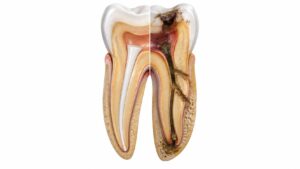
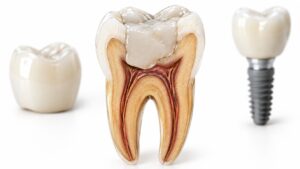
A root canal is considered when the pulp is irreversibly inflamed or infected—often because bacteria reached the nerve through deep decay, a fracture, or trauma. Mild tooth pain can be the first chapter of that story: the pulp may still be treatable if caught early. Only clinical testing plus X-rays or 3-D imaging can confirm whether the nerve can recover with a simple restoration or whether root canal therapy is indicated.

Other Clues Your Dentist Looks For Beyond Mild Tooth Pain
In addition to mild tooth pain, dentists watch for findings that raise concern:
- Lingering pain after temperature stimulus—more than a few seconds
- Pain on biting or relief that never fully comes back
- Swelling, a gum boil, or a bad taste near one tooth
- Visible deep decay or a history of trauma to the tooth
- One tooth that looks grayer than its neighbors
The more boxes that apply alongside ongoing mild tooth pain, the higher the likelihood that a root canal—or at least advanced testing—is warranted. Still, online lists cannot replace an in-person diagnosis.
When Mild Tooth Pain Is Probably Not a Root Canal
Mild tooth pain is less likely to indicate a root canal when cold sensitivity stops the instant the stimulus is gone, symptoms jump between several teeth, discomfort began right after conservative dental work and is improving, and radiographs show no deep decay. Even then, follow up if anything changes because pulp health can shift quickly.
Why Prompt Care Beats Waiting
Delay allows reversible pulpitis to progress to necrosis or abscess. Treating mild tooth pain early can mean a small filling or a monitored crack instead of urgent endodontic care. If you are in Miami and want a clear plan, UltraSmile Miami offers thorough exams and can coordinate care with specialists when needed. Learn more about local access in where to get root canal treatment in Miami.
Conclusion
Mild tooth pain can signal a developing pulp problem—or something milder—but you should not self-diagnose from articles alone. If discomfort keeps returning in the same area, book an exam so your team can rule out infection and help you avoid emergency pain. Addressing mild tooth pain early is the safest way to learn whether you truly need a root canal or a simpler fix.