A patient often notices enamel erosion in an ordinary moment. Cold water starts to sting. A favorite sparkling water feels harsh. The front teeth look a little more translucent in the bathroom mirror, and it is hard to tell whether the change is cosmetic, sensitivity, or both.
Enamel erosion is the gradual loss of tooth mineral from acid exposure, separate from the decay process caused by bacteria. The change can be subtle at first, which is why many people in Miami recognize the effects before they know the name for the problem. Teeth may start to feel sensitive, look less bright, or seem smoother and thinner along the edges.
Because enamel does not regenerate on its own, early evaluation matters. Small areas of wear may respond well to conservative care, while more advanced damage can call for protection, bonding, or other restorative treatment to keep the teeth strong and comfortable.
At Ultra Smile DentalSpa, I focus on helping patients understand what is causing the wear, then choosing the gentlest option that fits the situation. Sometimes that means simple changes at home and monitoring. Sometimes it means restoring weakened areas before they chip or become more sensitive. The goal is to protect your enamel without making the process feel stressful or intimidating.
Table of Contents
- What Is Enamel and Why Is Its Erosion a Concern
- Signs Symptoms and Common Causes of Enamel Erosion
- How We Diagnose Enamel Erosion in Our Miami Practice
- Strategies to Prevent and Halt Enamel Erosion
- Gentle Treatments for Damaged Enamel at Ultra Smile DentalSpa
- Your Reassuring Spa-Like Dental Experience in Miami
What Is Enamel and Why Is Its Erosion a Concern
What enamel does every day
A patient may tell me, "My teeth look fine, but cold water suddenly feels sharp." That kind of change often starts at the surface.
Enamel is the hard outer layer of the tooth. It protects against the daily pressure of chewing, temperature swings, and contact with foods and drinks, so the softer inner tooth structure is not exposed to that stress.
The simplest way to define enamel erosion is this. Acids gradually soften and dissolve the tooth's outer mineral layer. The American Dental Association describes dental erosion as the chemical loss of mineralized tooth substance caused by acids not derived from oral bacteria, and notes that the process is progressive and irreversible (American Dental Association on dental erosion).
The changes are often subtle at first. The surface may look smoother, less glossy, or slightly thinner before a patient notices pain.
Enamel does not grow back once it is lost. Early diagnosis gives us more conservative options.
Why enamel erosion matters
Enamel loss matters because it changes both comfort and long-term treatment choices. Once the outer layer thins, teeth are more likely to feel sensitive, look dull, and wear down faster under normal function.
Research has found that dental erosion is common in adolescents, and in many cases the damage is limited to enamel. That matters in practice because this problem often begins earlier than patients expect, even in people who brush regularly and take good care of their teeth.
For patients in Miami, I also look at local habits and stress patterns. Frequent iced citrus drinks, sparkling water, reflux, and even signs of nighttime teeth grinding can work together to speed surface wear. The trade-off is simple. Teeth may still appear healthy while the protective layer is already getting thinner.
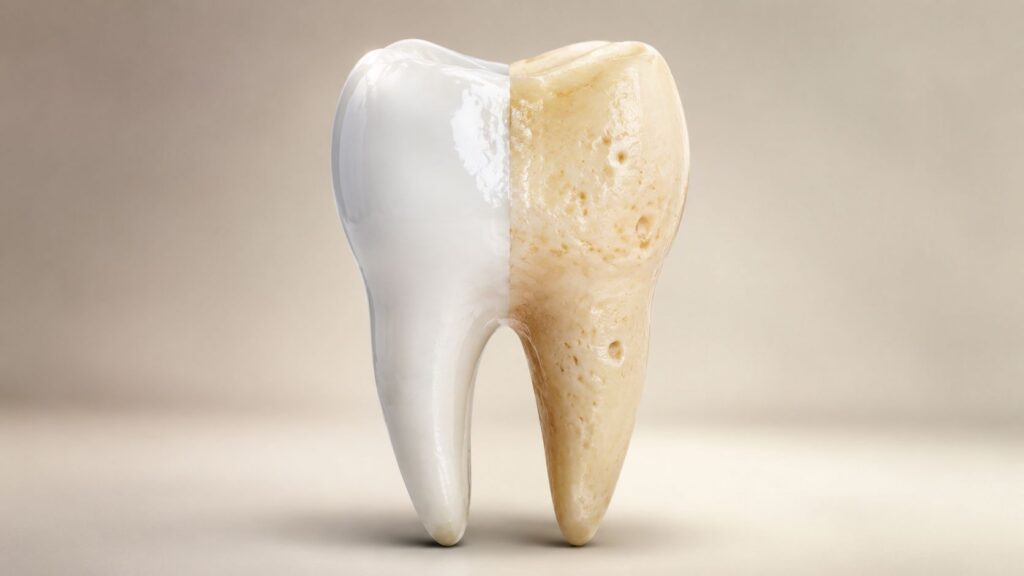
| Enamel in a healthy tooth | Enamel during erosion |
|---|---|
| Protects against daily wear | Becomes softened by acid |
| Helps keep teeth looking bright | May become dull or translucent |
| Shields deeper layers from sensitivity | Can expose deeper layers over time |
At Ultra Smile DentalSpa, the goal is to catch these changes before they turn into larger repairs. Regular check-ups, professional cleanings, and imaging when appropriate help us spot early surface loss while treatment can still stay gentle, conservative, and comfortable.
Signs Symptoms and Common Causes of Enamel Erosion
Common causes
Enamel erosion usually comes from repeated acid exposure or from wear that becomes more harmful after enamel has already been softened. In day-to-day practice, the pattern is often more important than any one food or habit.
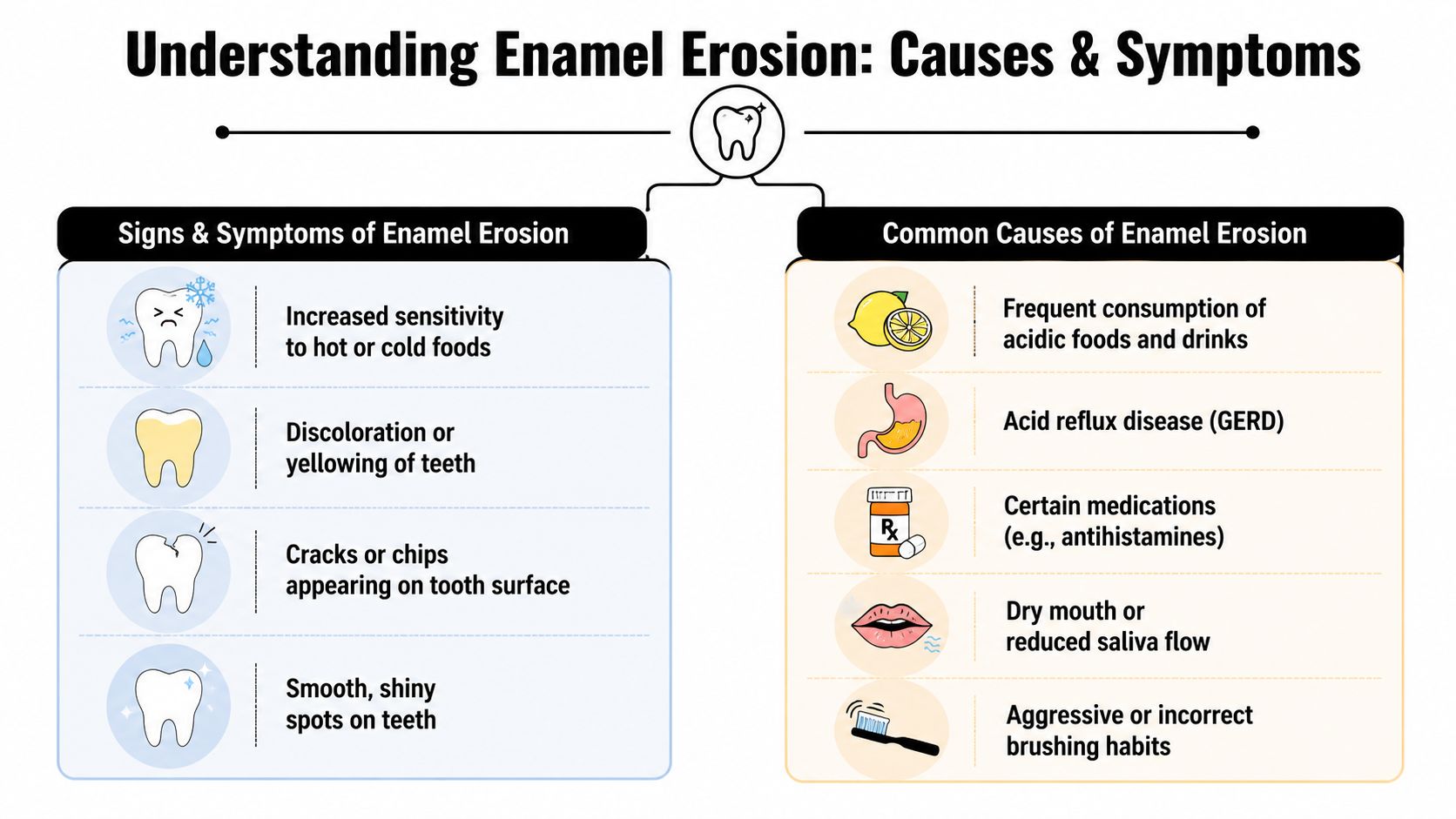
Common contributors include:
- Acidic drinks and foods: Soda, fruit juice, citrus, sports drinks, flavored sparkling drinks, and frequent acidic snacking can keep teeth under repeated acid attack. A clinical review notes that reported enamel erosion prevalence ranges from 1.8% to 34.1% across studies, one review cited 46% of young adults, and an oral-health summary notes that 20% to 40% of Americans drink soda or fruit juice at least once per day (clinical review of tooth wear and enamel erosion).
- Acid reflux or stomach acid exposure: Reflux, GERD, and recurring vomiting can bathe teeth in strong acid, especially the backs of upper teeth and chewing surfaces.
- Dry mouth: Saliva helps dilute and neutralize acid. When saliva flow drops, teeth stay exposed longer.
- Aggressive brushing: Brushing harder doesn't clean better. On softened enamel, it can wear the surface faster.
- Grinding and clenching: These habits don't cause erosion by themselves, but they can worsen the damage once enamel has been weakened by acid. Patients who suspect nighttime wear can compare symptoms with this guide on how to know if you grind your teeth at night.
How symptoms usually appear
Symptoms often show up in stages rather than all at once.
Early on, teeth may feel mildly sensitive to cold water, sweet foods, or air. Some patients notice a smooth or glossy look on parts of the enamel. Others say their teeth “don't feel as strong as they used to.
As erosion progresses, the color may change. Teeth can appear more yellow because the layer underneath the enamel becomes easier to see. Edges may look thinner or more translucent, especially on front teeth.
Practical rule: If sensitivity is getting worse but you can't see a cavity, it's worth checking for enamel loss, bite-related wear, or both.
In more advanced cases, the tooth shape starts to change. Chewing surfaces can look cupped or rounded. Small chips may appear. Hot and cold sensitivity can become harder to ignore, and the smile may begin to look uneven.
This is one place where people often get tripped up. They assume whitening toothpaste or brushing more often will fix the problem. It usually won't. If enamel is thinning, abrasive products or overbrushing can make things worse.
How We Diagnose Enamel Erosion in Our Miami Practice
What a visit feels like
A typical visit starts with a patient telling me, “My teeth feel more sensitive, but I do not see anything wrong. That is common with enamel erosion. Early changes are often easier to feel than to spot at home.
At Ultra Smile DentalSpa, the first step is a careful conversation in a calm setting. Patients from Downtown Miami, Midtown Miami, and Hallandale Beach often arrive worried that the appointment will feel rushed or overly clinical. It should not. We review the pattern behind the sensitivity, including cold reactions, food and drink habits, reflux, dry mouth, clenching, and any change in the way the teeth look or meet.
This initial evaluation can happen during a first visit or a routine checkup. The goal is simple. Understand whether the enamel is thinning, whether another type of wear is also involved, and how far the process has gone.
What Dr. Bahmadi looks for
Enamel erosion leaves clues. Dr. Bahmadi studies the tooth surfaces for smooth glossy areas, thinning edges, shallow cupping on chewing surfaces, color changes, and spots where the underlying dentin is starting to show through. He also checks whether the wear pattern fits acid damage alone or whether grinding and bite pressure are adding another layer to the problem.
That distinction matters because treatment changes with the cause. A patient with reflux-related erosion needs a different plan than someone whose enamel is mainly being stressed by acidic drinks and nighttime clenching.
If deeper images are helpful, we may take radiographs to check the structure below the surface, especially when cracks, older fillings, or stronger sensitivity are part of the picture. Those images do not show every early surface change, but they help rule out other problems and show whether the tooth needs more protection.
| During the visit | Why it matters |
|---|---|
| Visual surface evaluation | Finds early shape, texture, and color changes |
| Bite check | Shows whether clenching or grinding is worsening wear |
| Sensitivity review | Helps separate erosion from decay, fractures, or gum-related pain |
| Radiographs when appropriate | Evaluates deeper tooth structure and existing restorations |
Enamel erosion can be subtle in the mirror. A trained evaluation often finds small changes before they turn into chipping, persistent pain, or cosmetic unevenness.
That is why a precise diagnosis matters, especially after a sudden increase in sensitivity. In many cases, the right next step is not a major procedure. It is an accurate explanation of what is happening, a practical prevention plan, and gentle protective care specific to the patient sitting in the chair.
Strategies to Prevent and Halt Enamel Erosion
Prevention works best when it's practical. The goal isn't to make eating and drinking stressful. The goal is to reduce repeated acid exposure and avoid habits that scrape softened enamel before it has a chance to recover.
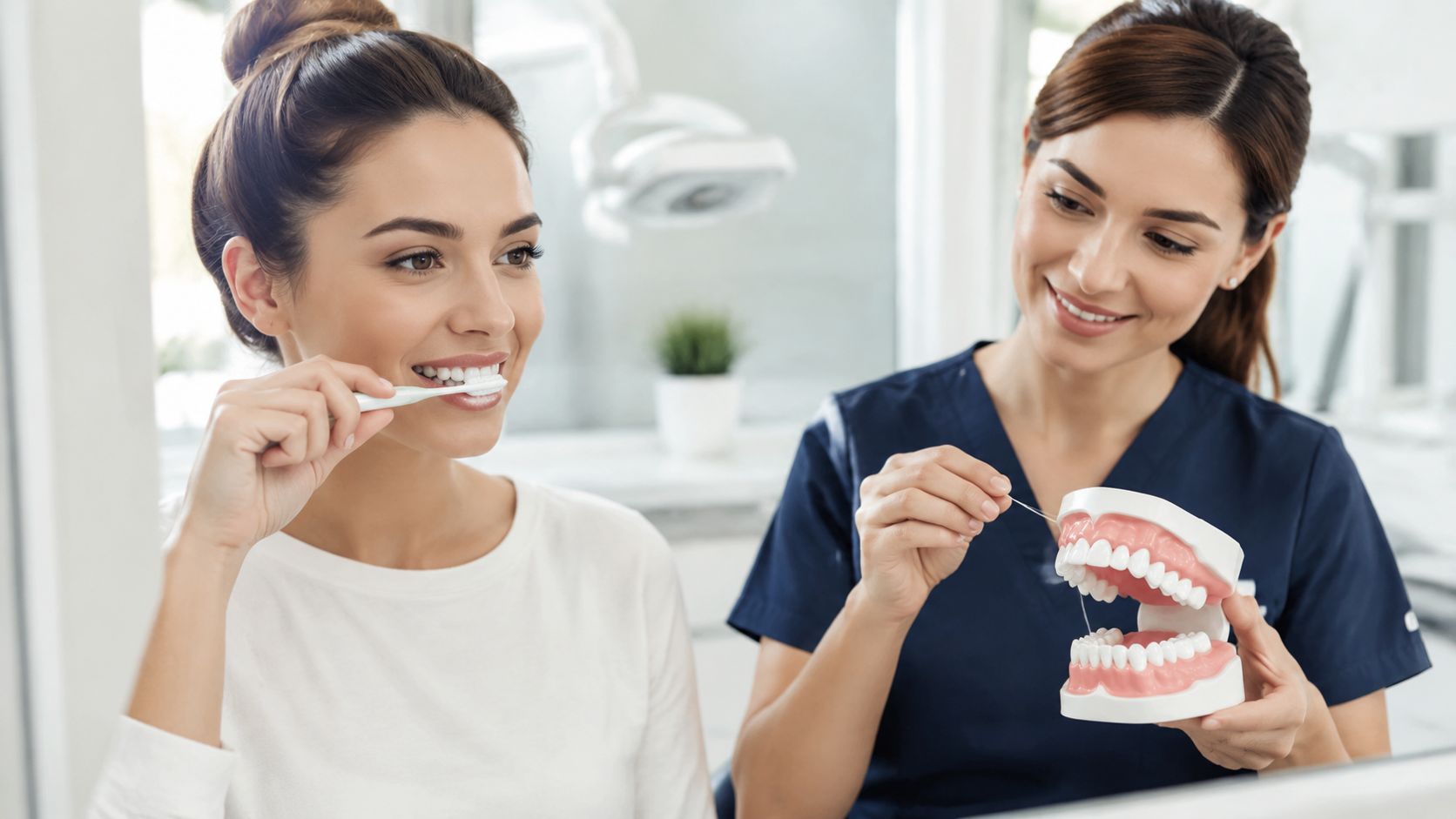
What helps at home
Several habits make a real difference:
- Cut down on frequent acid exposure: Sipping acidic drinks over long periods is harder on enamel than having them occasionally with a meal.
- Rinse with water afterward: This helps clear some acid from the mouth.
- Use a soft-bristled toothbrush: Hard scrubbing can wear compromised surfaces faster.
- Choose fluoride toothpaste: Fluoride is commonly used to protect early-stage enamel and support remineralization efforts.
- Pay attention to dry mouth and reflux: If either is part of the pattern, the dental plan should account for it.
One of the most important timing changes is brushing. Because enamel is softened after acid contact, major dental guidance recommends waiting at least 30 minutes before brushing so saliva can begin neutralizing acid and re-hardening the tooth surface (Cleveland Clinic guidance on tooth erosion).
This short video gives patients a helpful overview of daily technique and oral hygiene habits that support enamel protection.
When professional support makes a difference
At-home care matters, but it has limits. If teeth are already sensitive or the wear pattern keeps progressing, professional support is usually the turning point.
One option is topical fluoride, which dental references identify as a common early-stage intervention. In-office fluoride applications can be useful when the enamel needs added protection and sensitivity control. Ultra Smile DentalSpa also offers fluoride treatments as part of preventive dental care.
Custom night guards can also help when grinding is adding mechanical wear to acid-softened teeth. This is a good example of what works versus what doesn't. A patient can switch toothpaste and still see worsening damage if clenching at night remains unaddressed.
The best prevention plan usually combines three things. Less acid frequency, gentler brushing, and protection from grinding if the bite is part of the problem.
Patients who stay consistent with exams, dental care, and targeted home changes often slow the process substantially. What doesn't help is waiting for obvious damage, relying on abrasive whitening products, or assuming sensitivity will settle down on its own.
Gentle Treatments for Damaged Enamel at Ultra Smile DentalSpa
When enamel is already damaged, treatment depends on how much tooth structure remains, where the wear is located, and whether the problem is mostly sensitivity, appearance, function, or a mix of all three.
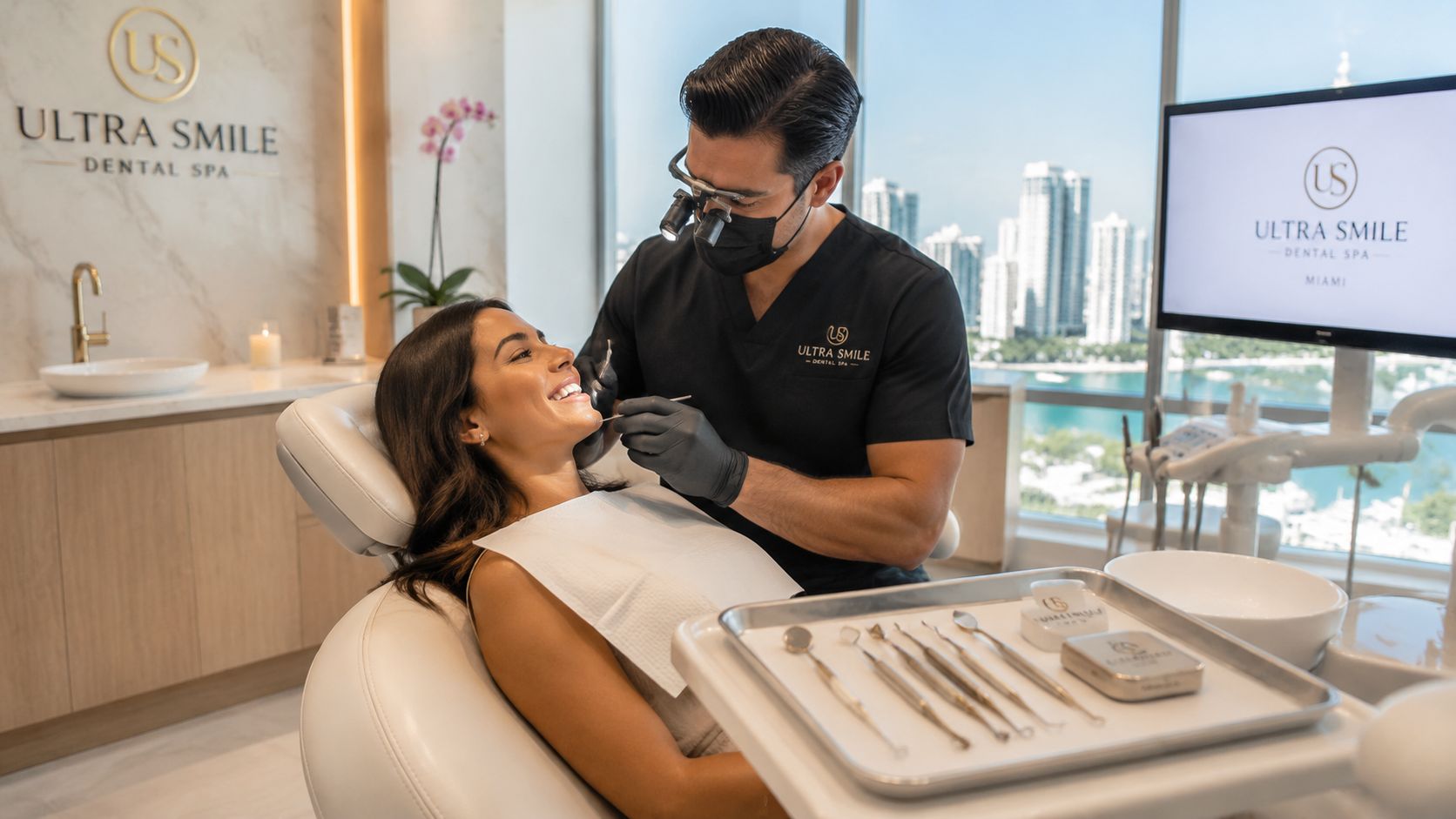
For early and localized damage
Mild erosion is often managed conservatively. If a tooth is sensitive but still structurally sound, desensitizing products and protective fluoride-based care may be enough to reduce discomfort and help preserve the remaining enamel.
When erosion has created small chips, edge changes, or localized exposed areas, dental bonding can be a smart option. Bonding adds material where enamel has been lost, improves shape, and can make a tooth feel more comfortable without moving straight to a larger restoration.
This is often where patients ask about appearance too. If teeth look dull or uneven, cosmetic planning has to be careful. Whitening may not be the first step when enamel is thin. Patients thinking about brighter teeth after sensitivity issues may find this page on teeth whitening for sensitive teeth useful.
For deeper wear and visible changes
Moderate erosion usually needs more than a surface fix. If the tooth has lost noticeable shape, has repeated sensitivity, or shows more widespread visible wear, porcelain restorations may offer stronger long-term protection.
A simple comparison helps:
| Level of damage | Common treatment direction |
|---|---|
| Mild, small area, mostly sensitivity | Desensitizing care or bonding |
| Moderate, visible surface loss | Bonding, veneers, or partial coverage depending on location |
| More advanced structure loss | Dental crowns for protection and function |
For front teeth, veneers may restore symmetry, contour, and appearance when the enamel loss is visible in the smile zone. For back teeth or heavily worn teeth, dental crowns may be the safer choice because they protect chewing strength as well as appearance. In some cases, same-day crowns make treatment more convenient for busy Miami professionals.
Cosmetic treatment should protect the tooth first and improve the appearance second. The right sequence matters.
If erosion has combined with fracture, deep breakdown, or a tooth that can't be predictably restored, other restorative options may come into the conversation. That can include more complex care, and in severe cases a tooth extraction may be discussed before replacement options such as bridges or dental implants near me become relevant. The important point is that treatment should stay as conservative as the situation allows.
Your Reassuring Spa-Like Dental Experience in Miami
A patient may notice colder water stings more than it used to, or that a front tooth looks a little duller in bright light, and still wait weeks to schedule a visit because the idea of dental care feels stressful. I see that often with enamel erosion. The problem can stay quiet for a while, then become harder to ignore.
At Dr. Bahmadi's practice, the visit is set up to reduce that stress from the start. The space is calm and private. Patients can settle in with refreshments, custom aromatherapy, and personal streaming entertainment during treatment. A warm towel at the end is a small touch, but it helps people leave feeling cared for rather than worn out.
That experience has a practical purpose. When patients feel comfortable, they tend to come in earlier, ask better questions, and make clearer decisions about treatment. That matters with enamel erosion, where timing often affects how conservative we can be.
Many adults in Miami want care that feels gentle without sacrificing quality. Some are coming in for routine maintenance. Others want to improve worn or sensitive teeth, repair damage, or address a problem that suddenly started bothering them. A calm setting supports all of those situations because comfort makes it easier to stay consistent with care.
Ultra Smile DentalSpa serves patients in Downtown Miami, Midtown Miami, and Hallandale Beach who want that kind of experience. If your teeth have become more sensitive, more yellow, or easier to chip, an evaluation can clarify what is happening and what can still be preserved. Ultra Smile DentalSpa offers gentle exams, clear treatment planning, and modern treatment options for patients in Miami who want answers without the usual tension of a dental visit.