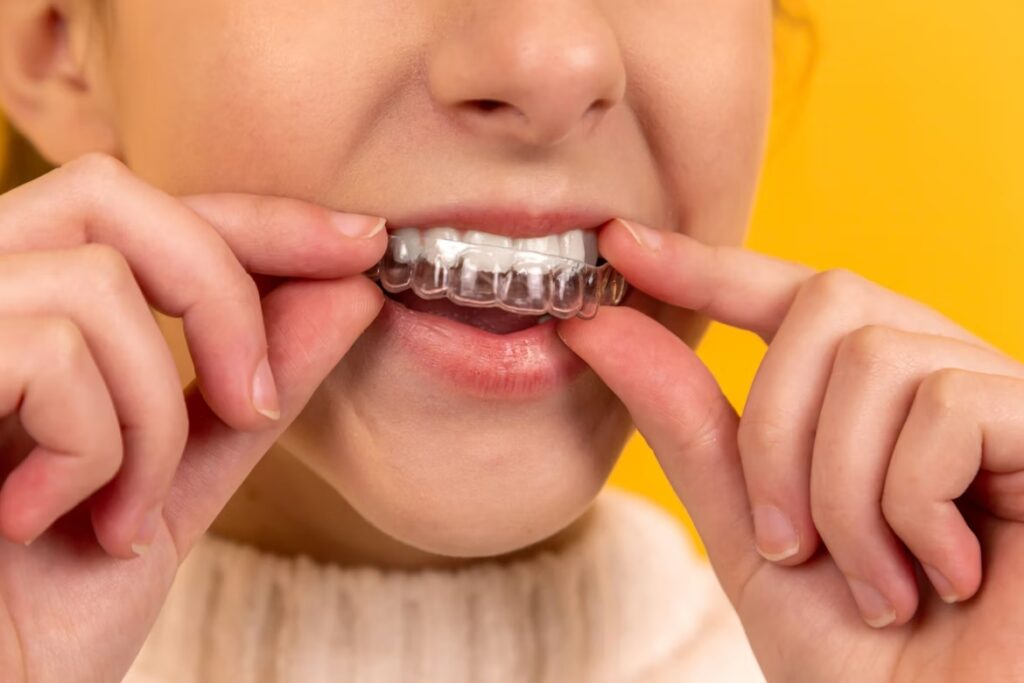
Clear aligners offer a discreet, comfortable way to straighten your teeth without metal braces. If your dentist has said you have a mild case, you’re probably wondering how long treatment will take. In this article, we’ll look at typical timelines for mild clear aligner treatment, what “mild” means, and how you can keep your treatment on track.
How Long Do Clear Aligners Take for Mild Cases?
For mild cases, clear aligner treatment often lasts between 6 and 12 months. Some people finish in as little as 4–6 months; others need up to 12–14 months. The exact length depends on the type of movement needed, how well you follow the plan, and how many hours a day you wear the aligners. Your dentist or orthodontist will give you a more accurate estimate after reviewing your scans and bite.
What Counts as a Mild Case?
“Mild” usually means small, straightforward movements. Typical situations include:
Minor Crowding
A few teeth are slightly overlapping or rotated. Only a small amount of space is needed, so the number of aligners and the total time are relatively short.
Small Gaps Between Teeth
When the goal is to close small spaces between one or a few teeth, treatment is often on the shorter end of the mild range.
Slight Rotation or Tilt
One or two teeth need a small rotation or uprighting. These movements are predictable and usually don’t require as many aligners as more complex cases.
Limited Number of Teeth Involved
When only a few teeth need to move, the plan is simpler and the timeline tends to be shorter than when most of the arch is involved.If you’re not sure whether your case is mild, a consultation with a provider who offers clear aligners can clarify your options and estimated length of treatment.

Factors That Affect Treatment Length
Even in mild cases, a few things can shorten or lengthen your timeline:
- Wear time: Aligners work when they’re in your mouth. Wearing them 20–22 hours per day keeps you on schedule; wearing them less can slow progress and extend treatment.
- Changing aligners on time: Switching to the next set every 1–2 weeks as prescribed helps avoid delays. Skipping or delaying changes can add time.
- Oral health: Healthy gums and teeth support steady movement. Issues like gum disease or cavities may need to be treated first and can affect the overall schedule.
- Check-ups and refinements: Attending follow-up visits lets your provider catch any problems early. If refinements (extra aligners) are needed, they can add a few months.
What to Expect During Treatment
Understanding the process can make the timeline clearer:
- Consultation and scan: Your provider examines your teeth and may take a digital scan or impressions. From this, they determine if you’re a good candidate and estimate how long your case will take.
- Receiving your aligners: You’ll get a series of custom aligners, each worn for about 1–2 weeks before moving to the next.
- Progress checks: Periodic visits allow your provider to check fit, movement, and compliance. For mild cases, these may be every 6–8 weeks or as recommended.
- Completion and retention: Once the desired position is reached, you may receive a retainer to wear at night to keep your teeth stable.
Tips to Stay on Schedule
To finish within the estimated time for your mild case:
- Wear your aligners consistently: Aim for 20–22 hours per day; remove them mainly for eating and brushing.
- Switch aligners on schedule: Don’t skip or delay changes unless your provider tells you to.
- Store them safely: Use the case when they’re out to avoid loss or damage that could set you back.
- Keep follow-up appointments: These visits help keep your plan on track and allow for small adjustments if needed.
Conclusion
For mild cases, clear aligners typically take about 6 to 12 months, depending on your specific teeth and how closely you follow the plan. Knowing what “mild” means and which factors affect treatment length can help you set realistic expectations. If you’re considering clear aligners in Miami, schedule a consultation with UltraSmile Miami. Our team can evaluate your case, explain your estimated timeline, and create a personalized treatment plan so you can achieve a straighter smile with confidence.